Tires
Best Value Tires for Everyday Driving by Type
7 picks compared
9 min read
ProductPickly is reader-supported. When you buy through links on our site, we may earn an affiliate commission at no extra cost to you. It never changes our picks.
The short answerFor most drivers the Starfire Solarus AS is the best value all-season tire, covering dry, wet, and light winter driving at a low price. The Ironman iMove PT Plus is the best touring choice for compact cars, and the Starfire Solarus HT suits SUVs. Always match the size code to your own vehicle.
?How we pickedWe compare published specifications, safety certifications and thousands of verified owner reviews, and we do not physically test every unit. Read the full process in our review methodology.
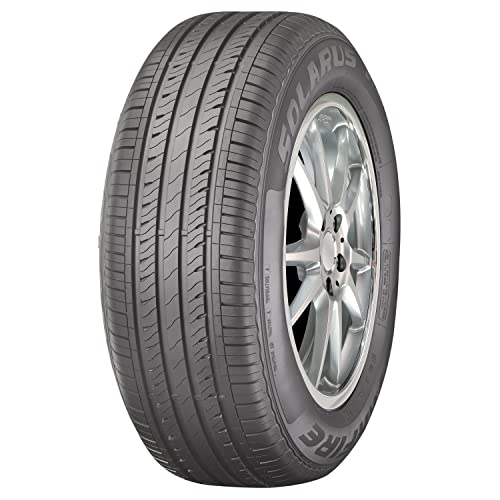
Starfire Solarus AS 225/65R17
★★★★★ 4.5 / 5 Best all-season value
A budget all-season tire made in a Cooper Tire plant, sized for many common sedans and crossovers. It covers dry, wet, and light winter driving at a price that leaves room in the budget.
Type All-seasonSize shown 225/65R17Load/speed 102HBest use Sedans, crossovers
- Low cost per tire
- All-season tread
- Common fitment size
- Not a winter tire
- Confirm your exact size
Best for: Everyday all-season driving
Ironman iMove PT Plus 195/65R15
★★★★★ 4.4 / 5 Best touring value
A touring all-season aimed at compact cars in the popular 195/65R15 size. It targets a quiet, comfortable ride for commuters who want low cost without an off-brand feel.
Type Touring all-seasonSize shown 195/65R15Load/speed 91HBest use Compact commuters
- Comfort-focused touring tread
- Very affordable
- Common compact size
- Modest performance limits
- Size specific
Best for: Compact-car commuting
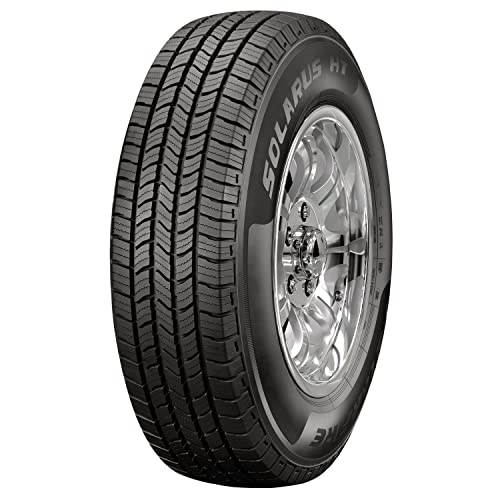
Starfire Solarus HT 245/60R18
★★★★★ 4.5 / 5 Best for SUVs
A highway-terrain tire for SUVs and light trucks, tuned for smooth on-road manners rather than trail use. A sensible value choice for family haulers that stay on pavement.
Type Highway (H/T)Size shown 245/60R18Load/speed 105HBest use SUVs, light trucks
- Quiet highway ride
- Sized for larger vehicles
- Value price
- Not for serious off-road
- Check load rating
Best for: On-road SUV driving
Lexani LXUHP-207 225/40ZR18
★★★★★ 4.3 / 5 Best performance
An ultra-high-performance summer-oriented tire for sport sedans and coupes running lower-profile wheels. It brings a performance tread pattern to a budget-friendly price.
Type Ultra-high performanceSize shown 225/40ZR18Load/speed 92W XLBest use Sport sedans, coupes
- Performance-oriented tread
- Low-profile sizing
- Affordable UHP option
- Not for winter
- Firmer ride
Best for: Sporty warm-weather driving
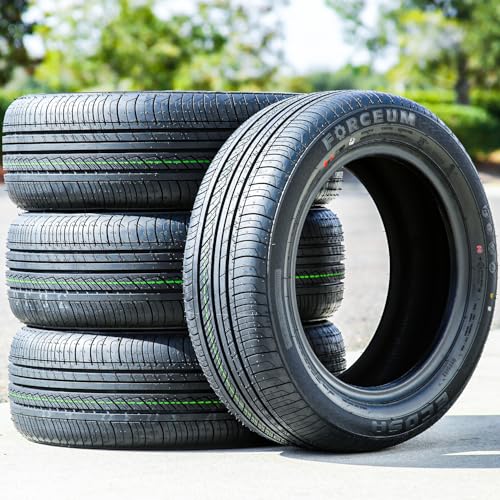
Forceum Ecosa 195/65R15 (Set of 4)
★★★★★ 4.3 / 5 Best full-set deal
A four-tire set of touring all-seasons for compact cars, priced to re-shoe a whole car at once. The bundle is the appeal when all four of yours are due together.
Type Touring all-seasonSize shown 195/65R15Quantity Set of 4Best use Compact cars
- Whole set in one order
- Low total cost
- Touring comfort focus
- Budget brand
- One size per listing
Best for: Replacing all four at once
Travelstar UN99 225/65R17 (Set of 4)
★★★★★ 4.3 / 5 Best all-season set
A set of four all-season radials in a common crossover size, aimed at drivers who want dependable, no-frills tires for the daily commute at the lowest outlay.
Type All-seasonSize shown 225/65R17Quantity Set of 4Best use Crossovers, sedans
- Four-tire value bundle
- All-season tread
- Popular size
- Entry-level brand
- Verify fitment
Best for: Budget crossover re-shoe
Forceum M/T 08 Plus LT235/75R15 (Set of 4)
★★★★★ 4.4 / 5 Best off-road
An aggressive mud-terrain set for trucks and off-roaders that leave the pavement. The chunky tread targets dirt and mud traction at a fraction of premium M/T pricing.
Type Mud-terrain (M/T)Size shown LT235/75R15Quantity Set of 4Best use Trucks, off-road
- Aggressive off-road tread
- Full set pricing
- Light-truck load range
- Louder on highway
- Off-road focus
Best for: Trucks that go off-road
Tires are the only part of your car touching the road, so the right set matters more than almost any other upgrade. The best value tire is the one that matches your exact size and how you drive, whether that is a quiet commute, an SUV on the highway, or a truck heading off-road.
Match the tire to your driving
Start with your car and your climate. All-season tires suit most drivers in mild regions, balancing dry, wet, and light winter grip. Touring versions add ride comfort and quietness for commuters. SUV and truck owners who stay on pavement want a highway tire, while those who go off-road need a mud-terrain design. Performance drivers on lower-profile wheels look at ultra-high-performance tires. Buy for how you actually drive, not for a tread pattern that looks aggressive.
How to read a tire size
Every tire carries a code such as 225/65R17 102H. The first number is the width in millimetres, the second is the sidewall ratio, R is radial construction, and the next number is the wheel diameter in inches. The final figures are the load index and speed rating. This code must match what your car requires, which you can confirm from the sidewall of your current tires or the sticker in the driver door jamb. Getting the size right is not optional.
Are budget tires worth it
Value brands are DOT-approved and legal, and several are produced in the same factories as premium labels. They save money up front while giving up some ultimate grip and tread life. For everyday driving in a mild climate they are a reasonable choice, and set-of-four listings make re-shoeing a whole car affordable. If you drive fast, tow heavy loads, or face harsh winters, the extra spend on a premium tire is justified.
Getting the most from any tire
Whatever you buy, longevity and safety come down to maintenance. Keep tires at the pressure listed on your door sticker, rotate them regularly for even wear, and check tread depth before it gets dangerously low. Replace tires as a full set or at least in axle pairs, and never mix summer and winter tires. Good habits make a budget tire safer than a neglected premium one.
Questions people ask
How do I find the right tire size for my car?
Read the code on your current tire sidewall or the sticker inside the driver door jamb, for example 225/65R17. That string of numbers must match exactly when you buy replacements. Never guess the size, since the wrong fitment can be unsafe and may not mount on your wheel.
What is the difference between all-season and touring tires?
All-season tires balance dry, wet, and light winter grip for year-round use. Touring tires are a comfort-focused subset that prioritise a quiet, smooth ride and longer tread life, which suits commuters. Both are fine for mild climates, but neither replaces dedicated winter tires in heavy snow.
Are budget tire brands safe to buy?
Reputable value brands sold on Amazon are DOT-approved and street legal, and many are made in the same plants as bigger names. They trade some ultimate grip and tread life for a lower price. For normal driving they are a sensible choice; for high-speed or severe-winter use, spend more on a premium tire.
Should I replace all four tires at once?
Ideally yes, since matched tires give balanced handling and even wear, which is why set-of-four listings exist. At minimum, replace tires in pairs on the same axle. Mixing very worn and brand-new tires, especially on all-wheel-drive cars, can cause handling and drivetrain issues.
What do the numbers on a tire mean?
In 225/65R17 102H, 225 is the width in millimetres, 65 is the sidewall height as a percentage of width, R means radial, 17 is the wheel diameter in inches, 102 is the load index, and H is the speed rating. Match all of these to your vehicle's requirements.
How long do budget tires last?
Tread life varies with the tire, your driving, and rotation habits, so treat any single mileage claim with caution. Budget all-seasons generally last fewer miles than premium tires but cost less up front. Rotating every few thousand miles and keeping correct pressure stretches the life of any tire.
Do I need winter tires or are all-seasons enough?
In regions with regular snow and ice, dedicated winter tires are far safer than all-seasons and worth the cost. In mild climates that rarely freeze, a good all-season tire covers the year. All-season means three-season grip plus light winter capability, not true snow performance.
Can I mix different tire brands or types?
It is best to avoid it. Running the same tire on all four corners keeps grip and handling predictable. If you must mix, keep matching tires on the same axle and never pair a summer tire with a winter tire. Mixing sizes or types can upset braking and stability.
The bottom lineSo which one?
Pick the Starfire Solarus AS for balanced all-season value, the Ironman iMove PT Plus for a comfortable compact-car ride, and the Starfire Solarus HT for an SUV. Whatever you choose, confirm the size code matches your car before you buy.