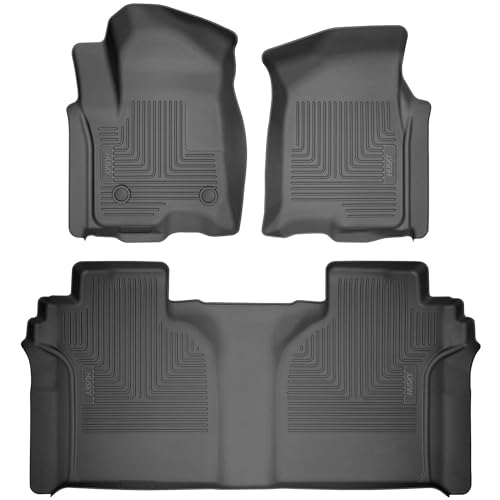
Car floor mats are more than a cosmetic accessory. They protect your vehicle's carpet from dirt, moisture, and wear, and they can even improve safety by preventing your feet from slipping. With so many types, materials, and features available, choosing the right set can feel overwhelming. Our editorial team compared specifications, buyer feedback, and key decision factors to create this comprehensive guide. You will learn about carpet, rubber, all-weather, and custom-fit options, plus materials, retention systems, and anti-slip backing. By the end, you will know exactly how to match mats to your vehicle and lifestyle.
Types of Car Floor Mats
Floor mats come in several basic categories. Each has its own strengths and trade-offs.
Carpet Floor Mats
Carpet mats are the most common factory option. They are made of nylon or polyester fibers bonded to a rubber or PVC backing. They come in a range of colors and textures, often with a heel pad for extra durability. Carpet mats look upscale and feel soft underfoot. However, they absorb water and stains, so they are not ideal for heavy mud or snow. They require regular vacuuming and occasional shampooing.
Rubber Floor Mats
Rubber mats are heavy-duty and waterproof. They are typically made from natural rubber, synthetic rubber, or thermoplastic. They have raised ridges or dimples to trap water, mud, and debris. Rubber mats are extremely easy to clean: just hose them off and let them dry. They are perfect for work trucks, off-road vehicles, or anyone who deals with messy conditions. The downside is that they can look utilitarian and may have a strong odor initially.
All-Weather Floor Mats
All-weather mats are a hybrid. They are usually made from a flexible polymer like TPE (thermoplastic elastomer) or PVC. They offer the waterproof protection of rubber but with a more tailored fit and a more modern appearance. All-weather mats often have deep channels and raised edges to contain spills. They resist extreme temperatures and do not become brittle in winter. Many are designed to be custom-fit for specific vehicle models, making them a popular choice for daily drivers.
Custom-Fit vs. Universal
Custom-fit mats are laser-measured to match the exact floor pan of your vehicle. They provide full coverage, including the footrest area, and they stay in place better. Universal mats are cut in a basic rectangular shape and can be trimmed to fit. They are cheaper and fit many vehicles, but they may leave gaps or curl at the edges. For maximum protection and safety, custom-fit is the way to go.
Materials and Construction
The material of your floor mats determines their durability, ease of cleaning, and comfort.
Carpet Fibers
Most carpet mats use nylon or polypropylene fibers. Nylon is durable and resists crushing, but it can fade over time. Polypropylene is stain-resistant and dries quickly. The density of the fibers matters: a higher pile (thicker fibers) feels plush but traps more dirt. A lower pile is easier to clean. Look for mats with a rubberized backing that prevents moisture from seeping through to the vehicle's carpet.
Rubber and Thermoplastic Compounds
Natural rubber is flexible and provides excellent grip, but it can degrade in extreme heat. Synthetic rubber (like EPDM) is more resistant to UV and ozone. Thermoplastic elastomers (TPE) are becoming increasingly popular because they are recyclable, odor-free, and perform well in both hot and cold climates. PVC is another common material, but it can contain phthalates and may have a stronger smell. When comparing materials, consider the climate you live in and whether you are sensitive to odors.
Thickness and Weight
Thicker mats offer more sound insulation and a cushier feel, but they can interfere with pedal clearance if they are too thick. Most quality mats are between 5mm and 10mm thick. Heavier mats tend to stay in place better, but they are harder to remove for cleaning. Check the manufacturer's specifications for the exact thickness and weight.
Heel Pads and Reinforcements
Many mats include a reinforced heel pad under the driver's foot. This is an area of high wear, so a durable pad extends the life of the mat. Some all-weather mats have a textured surface that provides extra grip for your shoes.
Retention Systems and Anti-Slip Backing
A floor mat that shifts under your feet is a safety hazard. It can interfere with the pedals and cause accidents. Therefore, retention systems are critical.
Anti-Slip Backing
The most common anti-slip feature is a backing made of rubber or PVC with small nubs or a rough texture. This grips the vehicle's carpet and prevents the mat from sliding. Some mats use a Velcro-style hook-and-loop system that attaches to the carpet. Others have a hard plastic backing with spikes that dig into the carpet pile. When choosing mats, check that the backing covers the entire underside, not just the edges.
Retention Clips and Hooks
Most vehicles have factory-installed retention posts or hooks in the floor pan. Mats designed to work with these have grommets or holes that align with the posts. Some mats include a twist-in lock that secures the mat to the post. For vehicles without factory posts, some mats come with adhesive anchors that stick to the carpet. Always ensure the retention system is compatible with your vehicle.
Edge Design
All-weather and rubber mats often have raised edges or a lip to contain spills and debris. This is especially useful in winter when snow melts off your boots. However, a high lip can make the mat harder to vacuum. Carpet mats typically have a stitched edge that prevents fraying. Look for double-stitched edges for extra durability.
Matching Mats to Your Vehicle and Lifestyle
Now that you understand the basics, here is how to choose the right mats for your specific situation.
Consider Your Climate
If you live in an area with heavy rain, snow, or mud, all-weather or rubber mats are the best choice. They will protect your carpet from moisture and are easy to clean. In a dry, mild climate, carpet mats can add a touch of luxury and are sufficient for light dirt.
Think About Your Daily Activities
Do you carry pets, kids, or sports gear? All-weather mats with deep channels are excellent for containing spills and messes. If you frequently drive on dusty roads, a mat with a high lip will keep debris contained. For a commuter car that stays clean, carpet mats may be more aesthetically pleasing.
Vehicle Type and Fit
Sedans, SUVs, trucks, and vans each have different floor pan shapes. Custom-fit mats are available for most popular models. If you drive a less common vehicle, universal mats may be your only option, but you can trim them to fit. Also consider the number of rows: if you have passengers in the back, you will need mats for the rear footwells.
Ease of Cleaning
Rubber and TPE mats can be rinsed with a hose and wiped down. Carpet mats require vacuuming and spot cleaning. If you value low maintenance, choose a waterproof material. If you prefer a plush feel, be prepared to spend more time on upkeep.
Safety First
Always ensure that the mat does not interfere with the accelerator, brake, or clutch pedals. The mat should lie flat and be securely anchored. Avoid stacking multiple mats on top of each other, as this can cause pedal interference. Follow the manufacturer's instructions for installation and check the mat periodically for wear.
By considering these factors, you can select floor mats that offer the right balance of protection, comfort, and convenience for your driving needs.