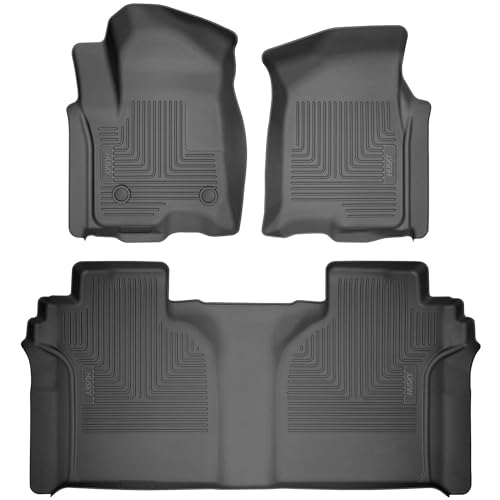
Car floor mats take a beating from muddy shoes, spilled coffee, road salt, and everyday dirt. Keeping them clean not only makes your car look better, it also prevents odors and protects the carpet underneath. Our editorial team compared specifications, buyer feedback, and key decision factors to bring you a practical guide that works for rubber, carpet, and all-weather mats. Whether you deal with winter salt or summer mud, these step-by-step methods will restore your mats without expensive equipment.
Why Clean Car Floor Mats Regularly
Dirty floor mats can trap moisture, which leads to mildew and a musty smell. Grit and sand act like sandpaper, wearing down the mat fibers and the carpet beneath. Regular cleaning also makes your driving experience more pleasant and can improve the resale value of your vehicle. A clean set of mats takes only minutes to maintain, but the payoff is long-lasting protection.
Different materials require different care. Rubber and all-weather mats are waterproof and easy to rinse, while carpet mats need more gentle handling to avoid shrinking or fading. Knowing the type of mat you have is the first step to choosing the right cleaning method.
How to Clean Rubber and All-Weather Mats
Rubber and all-weather mats are the easiest to clean because they are designed to resist water and stains. Here is the method our research suggests for best results.
- Remove the mats from the car. Shake them out to dislodge loose dirt and debris. This prevents scratching during the wet cleaning.
- Rinse with water. Use a garden hose or a bucket of clean water to wet the entire surface. For heavy dirt, a pressure washer on a low setting works well, but avoid high pressure that can damage the edges.
- Apply a cleaning solution. Mix warm water with a few drops of mild dish soap or a dedicated rubber mat cleaner. Use a soft-bristle brush or sponge to scrub the surface, paying extra attention to grooves and raised areas where dirt collects.
- Rinse thoroughly. Make sure all soap residue is gone. Leftover soap can leave a slippery film.
- Dry completely. Shake off excess water and hang the mats or lay them flat in a shaded area. Avoid direct sunlight, which can cause rubber to fade or crack. Ensure they are fully dry before putting them back in the car.
For all-weather mats with deep channels, use a small detailing brush to get into the crevices. A silicone-based protectant can be applied after drying to restore shine and make future cleaning easier, but check the manufacturer's recommendation first.
How to Clean Carpet Floor Mats
Carpet mats require a more delicate approach. They absorb liquids and can shrink if not dried properly. Follow these steps to keep them looking fresh.
- Vacuum both sides. Use a stiff brush attachment to loosen embedded dirt, then vacuum thoroughly. Vacuum the back side as well to remove grit that can scratch the car's carpet.
- Pre-treat stains. For spots like coffee or mud, apply a carpet cleaner or a DIY solution of white vinegar and water. Let it sit for 5 to 10 minutes to break down the stain.
- Scrub gently. Use a soft-bristle brush or a microfiber cloth to work the cleaner into the fibers. Avoid aggressive scrubbing, which can damage the pile.
- Rinse with a damp cloth. Wipe the area with a clean, damp cloth to remove cleaner residue. For a deeper clean, you can use a carpet extractor or a steam cleaner, but be careful not to oversaturate the mat.
- Dry flat. Lay the mat flat on a towel or hang it in a well-ventilated area. Do not put carpet mats in the dryer. They can take 24 to 48 hours to dry completely. Make sure they are fully dry before reinstalling to prevent mold.
For a quick refresh between deep cleans, sprinkle baking soda on the mat, let it sit for 15 minutes, then vacuum. This absorbs odors and lifts light dirt.
Removing Mud, Salt, and Spills
Mud, road salt, and spills are the most common culprits for stubborn stains. Here is how to tackle each.
Mud
Let the mud dry completely, then brush or vacuum off the loose particles. For carpet mats, mix a solution of warm water and a few drops of dish soap. Apply with a cloth and blot, working from the outside of the stain inward. Rinse and dry. For rubber mats, simply hose off the mud after it dries, then scrub with soapy water.
Road Salt
Salt can leave white residue and damage fibers. Vacuum the mat to remove loose salt. For carpet mats, mix equal parts white vinegar and water. Apply to the affected area and blot. The vinegar neutralizes the salt. Rinse with a damp cloth and dry. For rubber mats, a rinse with clean water is usually enough, but if residue remains, use a mild cleaner.
Spills (Coffee, Soda, Juice)
Blot the spill immediately with a clean cloth to absorb as much liquid as possible. Do not rub, as it spreads the stain. For carpet mats, use a mixture of one tablespoon of dish soap, one tablespoon of white vinegar, and two cups of warm water. Apply, blot, and rinse. For rubber mats, wipe with a damp cloth and mild soap.
Drying and Maintenance Tips
Proper drying is essential for all mat types. Rubber mats should be air-dried away from direct heat. Carpet mats need to dry slowly to prevent shrinking. Never use a hairdryer or heater to speed up the process, as high heat can warp rubber or shrink carpet fibers.
To extend the life of your mats, vacuum them weekly and address spills immediately. Use a small handheld vacuum for quick cleanups. Consider using a protective spray for carpet mats to repel liquids and stains. For rubber mats, a silicone protectant can keep them flexible and glossy.
If your mats are heavily worn or damaged, it might be time for a replacement. Check the current price on Amazon for new mats that fit your vehicle's make and model.
Frequently Asked Questions
Can I put rubber floor mats in the washing machine?
No, most rubber mats are too heavy and may damage the machine. Instead, hand wash with a hose, mild soap, and a brush, then air dry.
How often should I clean my car floor mats?
For best results, vacuum and spot clean weekly, and do a deep clean every 1 to 2 months, depending on weather and usage.
What is the best homemade cleaner for car floor mats?
A simple DIY solution of warm water, a few drops of dish soap, and white vinegar works well for most mats. For carpet mats, add baking soda to lift odors.
Keeping your car floor mats clean is a simple habit that pays off in appearance and durability. With the right tools and a little elbow grease, you can handle mud, salt, and spills like a pro. For quality replacement mats, search for your vehicle on Amazon and compare options that fit your lifestyle.