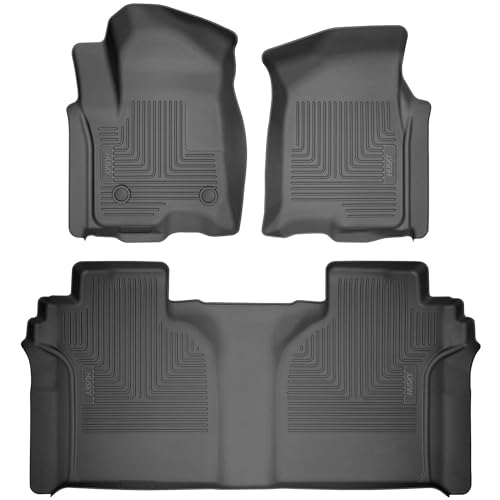
Remove floor mat smells by vacuuming, sprinkling baking soda, letting it sit overnight, then vacuuming again. For tougher odors, use a vinegar solution or an enzymatic cleaner.
Car floor mats take a beating. They trap dirt, moisture, and spills, and over time they can develop a musty or sour smell that makes every drive unpleasant. Whether it's from a forgotten coffee spill, wet shoes, or a pet accident, that odor can linger for weeks. The good news is that most smells can be eliminated with simple household items and a little patience. Our editorial team compared specifications, buyer feedback, and key decision factors to bring you a practical guide that works for both carpet and rubber mats.
Why Do Car Floor Mats Smell?
Understanding the root cause is the first step to fixing the problem. Here are the most common culprits:
- Moisture and mold: Rain, snow, or even humidity can leave mats damp. If they stay wet, mold and mildew grow, producing a musty odor.
- Spills: Coffee, soda, juice, or milk can soak into carpet fibers. Sugary liquids leave a sticky residue that bacteria love to feed on.
- Pet accidents: Urine and feces contain uric acid and bacteria that create strong, persistent smells.
- Dirt and debris: Over time, organic matter like food crumbs and dead skin cells accumulate, providing a feast for odor-causing microbes.
- Chemical smells: New rubber mats can emit a strong odor from manufacturing chemicals, which usually fades but can be accelerated with cleaning.
Once you identify the source, you can choose the right method below.
Step-by-Step Deodorizing Methods
Always start with a thorough vacuum to remove loose dirt and debris. Then choose a method based on the type of mat and the severity of the odor.
Method 1: Baking Soda for General Odors
- Remove the mats from the car and shake them out.
- Vacuum both sides to remove loose particles.
- Sprinkle a generous layer of baking soda over the entire surface. Use a brush to work it into the fibers.
- Let it sit for at least 6 hours, preferably overnight. Baking soda absorbs odors as it dries.
- Vacuum thoroughly. Repeat if the smell persists.
Baking soda is safe for carpet and rubber mats, but avoid using it on mats with electrical components (rare). This method works well for mild musty smells.
Method 2: Vinegar Solution for Tough Odors
- Mix equal parts white vinegar and water in a spray bottle.
- Lightly mist the mats, but do not soak them. Vinegar neutralizes alkaline odors like urine.
- Let it air dry in a well-ventilated area. The vinegar smell will dissipate as it dries.
- For extra freshness, sprinkle baking soda after the vinegar dries, let sit for an hour, then vacuum.
Vinegar is effective for mildew and mild pet odors. Do not use vinegar on rubber mats if you have concerns about dulling the finish; test on a small area first.
Method 3: Enzymatic Cleaners for Pet and Organic Stains
- Choose an enzymatic cleaner specifically designed for pet stains or automotive use. Look for products with live enzymes that break down uric acid and bacteria.
- Blot up any fresh liquid with paper towels before applying.
- Spray the cleaner generously on the affected area, covering the stain completely.
- Allow it to dwell for the time specified on the label, usually 10 to 15 minutes. Enzymes need time to work.
- Blot with a clean cloth, then let the mat air dry completely.
Enzymatic cleaners are the most effective for biological odors. They are available at auto parts stores and online. Always follow the manufacturer's instructions.
Method 4: Professional Cleaning and Ozone Treatment
If DIY methods fail, consider professional options. Auto detailers use hot water extraction, steam cleaning, and ozone generators to eliminate deep-seated odors. Ozone treatment is particularly effective for smoke and mildew smells. This is a good choice for severe cases or if you are short on time. Check local pricing, but expect a cost higher than DIY.
Prevention: Keep Mats Smelling Fresh
Preventing odors is easier than removing them. Adopt these habits:
- Remove mats and air them out regularly, especially after rain or snow.
- Use a waterproof liner or all-weather rubber mats if you often deal with mud or spills. Rubber mats are easier to clean and less absorbent.
- Clean spills immediately. Blot, don't rub, and use a mild soap solution.
- Vacuum weekly to remove dirt and crumbs before they break down.
- Use a dehumidifier or moisture absorber in your car if you live in a humid climate.
- Wash rubber mats with soap and water monthly, then dry them completely before reinstalling.
By staying proactive, you can avoid the embarrassment of a smelly car and extend the life of your floor mats.
When to Replace Your Floor Mats
Sometimes cleaning is not enough. If your mats are heavily stained, torn, or have a persistent odor that returns after cleaning, it may be time to replace them. Old carpet mats can harbor bacteria deep within the padding. Rubber mats can crack and absorb odors over time. Replacement is a practical solution if the smell is unbearable and cleaning hasn't worked. When shopping for new mats, consider materials that are easier to clean, such as high-quality rubber or all-weather mats. Look for mats with raised edges to contain spills. Always check the current price on Amazon for the best deals.
With these remedies, you can tackle any smell and keep your car fresh. Start with the simplest method and work your way up. Your nose will thank you.