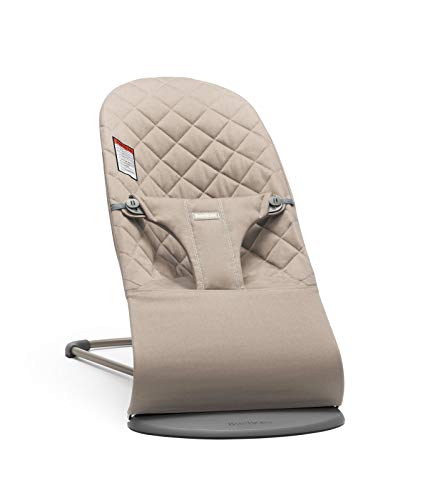
Choosing a baby bouncer can feel overwhelming with so many options on the market. As a parent, you want something that soothes your baby, is safe, and fits your lifestyle. Our editorial team compared specifications, buyer feedback, and key decision factors to help you make an informed choice. This guide covers safety standards, age and weight limits, types of bouncers, essential features, and practical tips for selecting the right bouncer for your little one.
Safety Standards for Baby Bouncers
Safety should be your top priority when choosing any baby product. In the United States, baby bouncers must meet specific safety standards set by the Consumer Product Safety Commission (CPSC). These standards address stability, restraint systems, and the prevention of tip-overs. When shopping, look for a bouncer that clearly states it meets or exceeds ASTM F2167-22, the standard for infant bouncers. This ensures the product has been tested for structural integrity and safety.
Another critical safety aspect is the restraint system. A secure 3-point or 5-point harness keeps your baby from sliding or climbing out. Always buckle the harness, even for short periods. Also, ensure the bouncer has a wide, sturdy base to prevent tipping. Avoid bouncers with sharp edges, small parts, or loose fabric that could pose a choking hazard. Check for any recalls on the specific model you are considering by visiting the CPSC website or the manufacturer's page.
Never place a bouncer on a table, counter, or any elevated surface. The safest place is always on the floor, away from stairs, heaters, and cords. Always supervise your baby while they are in the bouncer, and never use it as a car seat or sleeping device. Bouncers are designed for short periods of awake time, not for overnight sleep.
Age and Weight Limits
Most baby bouncers are suitable from birth up to around 6 months, or until your baby reaches the weight limit, which is typically 20 pounds (9 kg). Some models can hold up to 25 or 30 pounds, but always check the manufacturer's specifications. The age and weight limits are not just suggestions; they are based on safety and developmental factors.
Newborns need proper head and neck support, so choose a bouncer with a padded, adjustable headrest and a reclined seat. As your baby grows, they will become more active, and the bouncer's bounce motion may encourage them to push up, which can be unsafe if the bouncer is not designed for that. Once your baby can sit up unassisted or reaches the weight limit, it is time to stop using the bouncer to prevent falls or structural failure.
Always follow the manufacturer's instructions regarding age and weight. If your baby was born prematurely, consult your pediatrician before using a bouncer. Some bouncers have adjustable recline positions, allowing you to start with a more reclined angle for newborns and gradually move to a more upright position as your baby gains head control.
Bouncer vs Swing: Which Is Right?
Parents often confuse bouncers with swings, but they are different products. A baby bouncer is a lightweight, portable seat with a frame that allows the seat to bounce when your baby moves or when you gently push it. It relies on your baby's own movements or a gentle nudge to create motion. Bouncers are compact, easy to move around the house, and often more affordable than swings.
A baby swing, on the other hand, is a larger, heavier device that uses a motor to create a swinging motion, either side-to-side or front-to-back. Swings typically have multiple speed settings, built-in music, and sometimes nature sounds. They are great for soothing fussy babies, but they take up more space and require a power source (batteries or AC adapter). Swings also have higher weight limits, usually up to 25 or 30 pounds, and can be used for a longer period.
Which one is right for you? Consider your space, budget, and your baby's temperament. If you have a small apartment or want a portable option, a bouncer is a great choice. If your baby needs constant motion to stay calm, a swing might be worth the investment. Many parents find they use both: a bouncer for daytime play and a swing for naps or fussy evenings. However, if you can only choose one, a bouncer is often more versatile and easier to move from room to room.
Key Features to Look For
When comparing baby bouncers, look for features that enhance safety, comfort, and convenience. Here are some key features to consider:
- Reclining positions: A bouncer with multiple recline angles allows you to adjust the seat as your baby grows. A flat or near-flat position is essential for newborns.
- Harness system: A 3-point or 5-point harness keeps your baby secure. A 5-point harness is more secure for active babies.
- Machine-washable cover: Babies are messy. A removable, washable cover makes cleanup easy.
- Vibration or music: Some bouncers offer built-in vibration or music to soothe your baby. These features can be helpful but are not essential.
- Toy bar: A toy bar with hanging toys can entertain your baby and encourage visual tracking and motor skills.
- Portability: Look for a lightweight frame and a carry handle if you plan to move the bouncer between rooms or take it to a grandparent's house.
- Fabric quality: Choose breathable, soft fabric that is gentle on your baby's skin. Avoid materials that may cause irritation.
Also, consider the ease of folding and storage. Some bouncers fold flat for easy storage, which is a plus if you have limited space. Check the base for stability: a wider base is less likely to tip over. Finally, read user reviews to see how the bouncer holds up over time. Look for comments about durability, ease of cleaning, and whether the baby actually enjoys it.
Tips for Choosing the Right Bouncer
Here are practical tips to help you select the best bouncer for your baby:
- Consider your baby's age and size: If you have a newborn, choose a bouncer with a reclined seat and proper head support. For older babies, a more upright position may be better.
- Think about where you will use it: If you need to move it around, choose a lightweight model. If it will stay in one spot, a heavier, more feature-rich bouncer may be fine.
- Set a budget: Bouncers range from budget-friendly to premium. Decide how much you want to spend and focus on models within your range that offer the features you need.
- Read reviews: Look at customer feedback on Amazon and parenting forums. Pay attention to comments about safety, ease of use, and whether babies actually like it.
- Check for safety certifications: Ensure the bouncer meets ASTM standards and has not been recalled.
- Test the bounce: If possible, try the bouncer in a store to see how easy it is to bounce and how stable it feels. If buying online, watch demonstration videos.
- Check the weight limit: Make sure the bouncer will last as long as you need. Some bouncers have a higher weight limit, which can extend its usability.
Remember that a bouncer is not a necessity, but it can be a helpful tool for soothing your baby and giving your arms a break. Always follow the manufacturer's instructions and safety guidelines. With the right bouncer, you can provide a safe, comfortable space for your baby to relax, play, and observe the world around them.