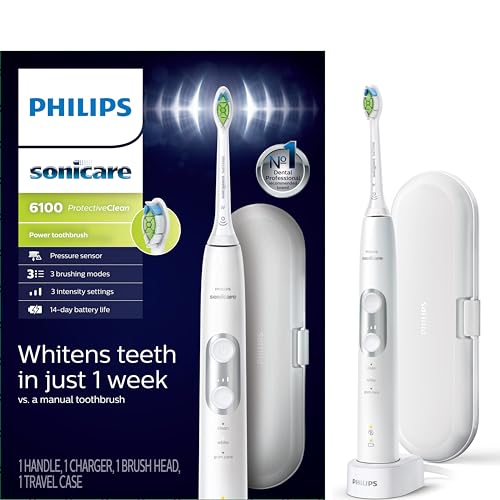
Choosing the right electric toothbrush can transform your oral hygiene routine. Our editorial team compared specifications, buyer feedback and key decision factors across top brands like Oral-B, Philips Sonicare, and Burst. We focused on cleaning technology (oscillating vs sonic), brush head options, battery life, pressure sensors, and price to help you find the perfect match for your needs.
Buying Guide: What to Look For in an Electric Toothbrush
Before you buy, consider these key features that impact cleaning effectiveness and user experience.
Oscillating vs Sonic Technology
Oscillating toothbrushes (Oral-B) use a rotating round head to scrub each tooth individually. They often combine rotation with pulsation to break up plaque. Sonic toothbrushes (Philips Sonicare) vibrate at high frequencies (typically 31,000 to 62,000 movements per minute) to create a dynamic fluid action that cleans between teeth. Both are effective, but some studies suggest oscillating-rotating brushes may remove slightly more plaque, while sonic brushes are gentler on gums.
Brush Head Options
Different brush heads serve different purposes: daily cleaning, sensitive teeth, whitening, or gum care. Oral-B offers heads like CrossAction, Sensitive, and FlossAction. Philips Sonicare has C3 Plaque Control, G3 Gum Health, and W3 White heads. Burst uses charcoal-infused bristles for natural whitening. Make sure replacement heads are readily available and affordable.
Battery Life and Charging
Battery life ranges from 7 days (Oral-B Pro 1000) to 30 days (Burst). Some models use inductive charging stands, while others have USB travel cases. If you travel often, look for a brush with a long battery life and a compact charging solution.
Pressure Sensor
A pressure sensor alerts you when brushing too hard, which can cause gum recession and enamel wear. This feature is especially important for people with sensitive teeth or those who tend to brush aggressively. The Oral-B iO Series 9 has a 3-color ring, while Philips Sonicare models use haptic feedback.
Modes and Smart Features
Multiple modes (e.g., Clean, Sensitive, Gum Care) allow customization. Smart features like app connectivity and brushing tracking can help improve technique but add cost. Consider whether you need these extras or prefer a simpler experience.
Common Mistakes When Choosing an Electric Toothbrush
Avoid these pitfalls to get the most out of your purchase.
Ignoring Brush Head Compatibility
Some handles only accept specific heads, which may be expensive or hard to find. Always check the range of compatible heads and their long-term cost.
Choosing the Wrong Technology for Your Needs
If you have sensitive gums, a sonic brush may be more comfortable. If you want a thorough scrub, oscillating might be better. Test both if possible, or read reviews from users with similar needs.
Overlooking Battery Life for Travel
A short battery life can be frustrating on trips. Look for models with at least 14 days of battery life if you travel frequently, or consider a travel case with USB charging.
Skipping the Pressure Sensor
Many budget brushes lack a pressure sensor. If you tend to brush hard, this feature can prevent long-term damage. It's worth paying extra for.
Buying Based on Price Alone
The cheapest brush may lack essential features like a timer or adequate cleaning modes. Conversely, the most expensive brush may have features you never use. Balance cost with the features that matter to you.
Our Top Picks at a Glance
For a quick comparison, see the table above. Our overall winner is the Oral-B iO Series 9 for its intelligent pressure sensor and magnetic drive. For sensitive teeth, the Philips Sonicare ProtectiveClean 6100 is gentle yet effective. Budget buyers should consider the Burst Sonic Toothbrush, while the Oral-B Pro 1000 offers unbeatable value. The Philips Sonicare DiamondClean Smart is the ultimate luxury choice with app coaching.
Frequently Asked Questions
We answer common questions to help you decide.
What is the difference between oscillating and sonic toothbrushes?
Oscillating toothbrushes (like Oral-B) have a round head that rotates back and forth to mechanically scrub plaque off teeth. Sonic toothbrushes (like Philips Sonicare) vibrate at high frequencies to create fluid dynamics that clean between teeth and along the gumline. Both are effective, but oscillating may feel more thorough while sonic is gentler.
How often should I replace the brush head?
Most manufacturers recommend replacing the brush head every 3 months, or sooner if the bristles become frayed. Some models like the Philips Sonicare ProtectiveClean have BrushSync technology that reminds you when it's time to change.
Do electric toothbrushes really clean better than manual?
Yes, multiple studies show that electric toothbrushes remove more plaque and reduce gingivitis more effectively than manual brushing. The key is consistent use and proper technique. Electric brushes also help users brush for the recommended 2 minutes with built-in timers.
What is a pressure sensor and do I need one?
A pressure sensor alerts you when you're brushing too hard, which can damage gums and enamel. It's especially useful for people with sensitive teeth or those who tend to scrub aggressively. Many models like the Oral-B iO Series 9 and Philips Sonicare ProtectiveClean include this feature.
Can I use any brush head on my electric toothbrush?
No, brush heads are typically brand-specific and sometimes model-specific. Oral-B heads fit most Oral-B handles, but not Sonicare. Within a brand, some heads are designed for specific modes (e.g., Gum Health). Always check compatibility before buying.