Finding a brush that can move through thick, curly, or coily hair without turning wash day into a battle is a common search, and the BESTOOL Detangling Brush for Black Natural Hair is one of the options Amazon shoppers run into when they look for a tool aimed specifically at textured hair. This is an editorial overview based on the current product listing and the published specifications, not a hands-on review, so the goal here is simply to lay out what the listing actually claims, who the brush is built for, and the points worth confirming for yourself before you buy.
What it is
The product is a detangling brush sold under the BESTOOL name and positioned for Black natural hair, curly hair, afro textures, and what the listing describes as 3 and 4 a, b, and c hair types. In plain terms, that covers the range from looser curls through tight coils, the textures that tangle most easily and that tend to take the most tension when the wrong tool is used. The listing frames the brush as a way to detangle faster and more easily, and it states that the brush can be used on wet or dry hair. The version shown in this package is the green color option. Beyond those points, the product title carries most of the description, so the fuller honest detail comes from reading the complete specifications on the page rather than from any outside source.
Key features
The headline features, as the listing presents them, are straightforward. The item is built and marketed as a detangling brush rather than a general styling or finishing brush, which means its stated job is working through knots and tangles. The listing says it is suitable for both wet and dry hair, which matters because many people detangle in the shower with conditioner while others prefer to work on dry or damp hair. The brand markets the brush around faster, easier detangling and uses a no pain phrase in the product name, which is a comfort oriented marketing message rather than a measured specification, so it is best treated as the manufacturer's positioning rather than a promise. The brush is shown here in a green colorway. One thing the title alone does not spell out is the exact bristle design and handle construction, so those details are better confirmed directly on the product page.
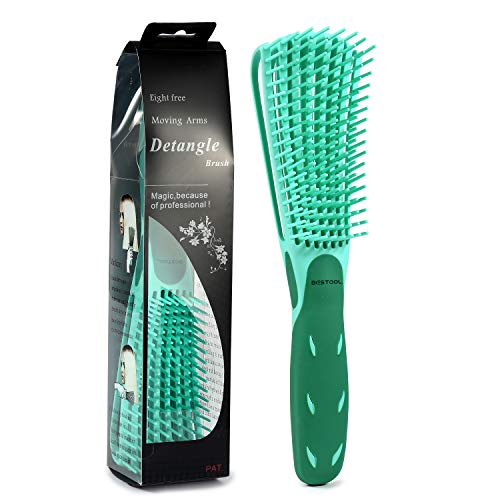
BESTOOL Detangling Brush for Black Natural Hair, Curly Hair Afro 3/4abc Texture - Faster and Easier Detangle Wet or Dry With No Pain (Green)
Detangling brush marketed for Black natural, curly, and coily hair, usable on wet or dry hair.
Check price on AmazonWho it is for
This brush is aimed squarely at people with thick, curly, coily, or otherwise textured hair, including the 3 and 4 range of hair types the listing calls out. If your hair tangles easily, shrinks, or forms knots that a standard brush tends to rip through, a tool designed for detangling is generally the more sensible starting point. It may also suit parents detangling a child's textured hair, where gentleness matters even more. That said, a brush is only part of the picture. Textured hair almost always detangles best when it is slippery, so pairing the brush with a conditioner, a detangling cream, or a leave in product, and working gently from the ends up toward the roots, is the approach most stylists recommend for reducing breakage. Results naturally vary from one hair type and density to another, and no brush removes the need for patience.
Strengths on paper
On paper, the clearest strengths are focus and flexibility of use. Because the brush is sold specifically for Black natural and textured hair rather than as a one size fits all tool, the design intent is aligned with the people most likely to struggle with detangling. The stated wet or dry capability is a practical plus, since it fits both in shower detangling with conditioner and quick touch ups on dry hair. The single color and simple positioning keep it an uncomplicated purchase, and a dedicated detangling brush is usually easier to steer through knots than a flat paddle brush packed with dense, rigid bristles. These are strengths based on how the product is described and categorized, not on any independent testing on our part.
Things to check
Before buying, a few things are worth verifying directly on the listing. First, the bristle design: confirm whether the bristles are flexible or firm, how they are spaced, and what they are made of, since that single detail drives how the brush feels on coily hair. Second, confirm the wet and dry claim and any guidance the brand gives for use with conditioner or a detangler. Third, look at the handle, its shape, length, and grip, because comfort and control matter when you are working through a full head of tangles. Fourth, double check that the color and variation you add to the cart match what you want. Fifth, read recent buyer feedback on the page for your specific hair type, since a brush that glides through loose curls can behave differently on dense, tightly coiled hair. And whatever the tool, detangle gently and with plenty of slip from a conditioner or detangler to help limit breakage.
How it compares
It helps to frame this against the other common detangling approach, the wide tooth comb. A wide tooth comb moves slowly and deliberately, giving you maximum control section by section, which many people prefer for the tightest coils and for careful, low tension work. A flexible detangling brush like this one is designed to cover more hair per stroke, which can be faster across the whole head, especially with conditioner worked in. Neither is strictly better. Combs tend to win on precision and gentleness for very tight textures, while a detangling brush tends to win on speed and convenience. Many people with textured hair end up owning both and reaching for whichever suits the step they are on. The right choice depends on your texture, your patience, and how much slip you work with, so it is less a competition and more a matter of matching the tool to the moment.
Verdict
As an editorial overview, the BESTOOL Detangling Brush for Black Natural Hair looks like a reasonable, purpose built option for anyone shopping specifically for a detangling tool for thick, curly, or coily hair. Its appeal rests on being designed for textured hair, its stated wet or dry use, and the simplicity of the purchase, while the open questions, mainly the exact bristle design and the handle, are easy to settle by reading the full specifications and current buyer feedback. If the described features line up with what your hair needs, it is worth a look, and you can check the current listing to confirm the latest details, color options, and buyer reviews for yourself.
This is an editorial overview based on the current product listing and published specifications, not a hands-on review; we have not personally used this brush. Results vary by hair type, and textured hair should be detangled gently with a conditioner or detangler to help limit breakage. ProductPickly may earn a commission from qualifying purchases made through links on this page.