Camera-shaped USB flash drives are a delightful way to add personality to your tech gear while still getting reliable storage. Whether you're a photographer looking for a themed backup drive or simply want a conversation starter at your desk, these novelty drives combine form and function. Our editorial team compared specifications, buyer feedback, and key decision factors to bring you the best options available in the US market.
Buying Guide: What to Look For in a Camera-Shaped USB Flash Drive
Before you make a purchase, it's important to understand the specs that matter. Here are the key factors to consider:
USB Version and Transfer Speeds
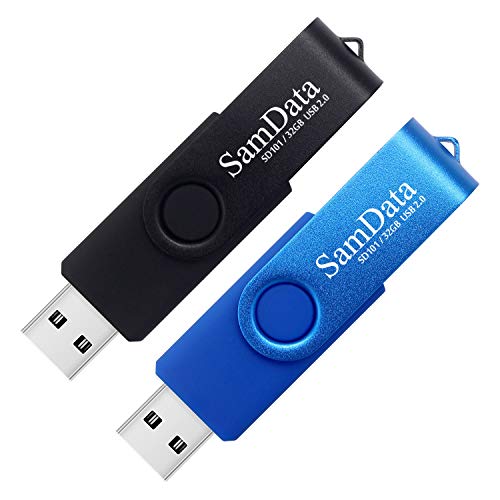
The USB version determines how fast you can read and write files. USB 2.0 is common on budget drives, offering speeds of up to 480 Mbps, but real-world read speeds are typically 20-30 MB/s. USB 3.0 and USB 3.1 are much faster, with read speeds exceeding 100 MB/s. If you plan to transfer large video files or photo libraries, opt for a USB 3.0 drive to save time.
Capacity
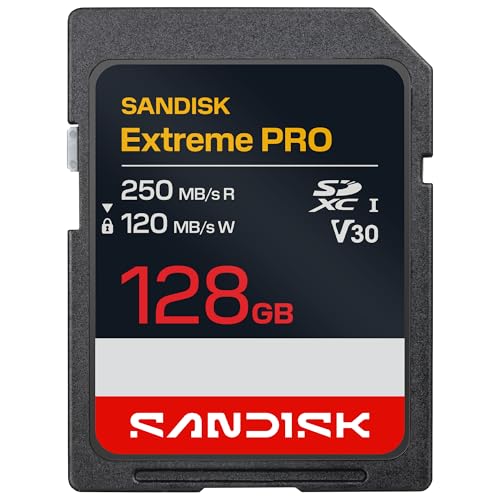
Capacity is a personal choice. For documents and casual use, 16GB to 32GB is sufficient. For photographers and content creators, 64GB or more is recommended. Keep in mind that higher capacity drives often cost more, but they provide flexibility for storing RAW images and 4K video.
Build Quality and Durability
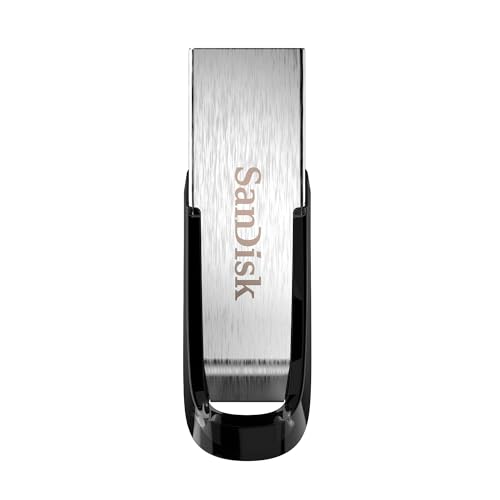
Novelty drives come in various materials. Plastic drives are lightweight and affordable but can crack if dropped. Metal drives are more durable and feel premium, but they may be heavier. Consider how you'll use the drive. If it will live on a keychain, a sturdy build with a protective cap is essential.
Connectivity Options
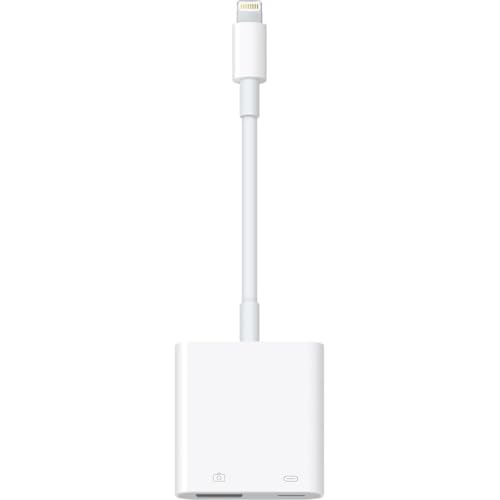
Some camera-shaped drives feature dual connectors, such as USB-A and Lightning or USB-C. This is handy for transferring files between your computer and smartphone without needing an adapter. If you use an iPhone, look for a drive with a Lightning connector. For Android, USB-C is becoming standard.
Design and Aesthetics
The whole point of a camera-shaped drive is the design. From vintage SLRs to modern mirrorless styles, there's a look for every taste. Consider the size and weight. Some designs are bulky, which might not be ideal for tight pockets. Also, check if the lens or other parts are removable, as they can be lost.
Common Mistakes to Avoid When Buying a Camera-Shaped USB Flash Drive
Even with a fun product, there are pitfalls. Here are common mistakes and how to avoid them:
Ignoring USB Version
Many buyers are drawn to the design and overlook the USB version. A USB 2.0 drive might be fine for small files, but if you're moving large amounts of data, you'll be frustrated by slow speeds. Always check the product description for USB 3.0 or higher.
Not Checking Compatibility
If you need to connect to a smartphone, ensure the drive has the right connector. Some drives come with a Lightning connector, but not all. Read the specs carefully to avoid disappointment.
Overlooking Build Quality
Some novelty drives are poorly made, with flimsy plastic that breaks easily. Look for drives with metal casings or reinforced connectors. Read user reviews to see if there are complaints about durability.
Buying Too Small Capacity
It's easy to underestimate how much storage you need. A 16GB drive might fill up quickly with photos and videos. Consider your future needs and opt for a larger capacity if you can afford it.
Forgetting the Cap
Many camera-shaped drives have a removable cap that protects the USB connector. If you're prone to losing things, choose a drive with a retractable connector or a cap that is attached to the body.
Final Thoughts
Camera-shaped USB flash drives are more than just a gimmick. They offer practical storage with a touch of personality. By focusing on USB speed, capacity, build quality, and compatibility, you can find a drive that meets your needs and brings a smile to your face. Remember to check the current price on Amazon and read recent reviews to ensure you're getting a reliable product.