Choosing the right camera for your YouTube channel can be overwhelming. With so many options, it's easy to get lost in specs. Our editorial team compared specifications, buyer feedback and key decision factors to bring you five reliable cameras that YouTubers actually use. Whether you're a vlogger, tech reviewer, or filmmaker, this guide will help you find the perfect tool for your content.
What to Look for in a YouTube Camera
Before diving into specific models, it's important to understand what makes a camera good for YouTube. The key specs are autofocus, video resolution, stabilization, and audio inputs. Let's break down each one.
Autofocus: The Silent Hero
Good autofocus keeps you sharp as you move or talk to the camera. Look for systems with face and eye detection. Sony and Canon lead in this area, with reliable tracking that works even in tricky lighting.
Video Resolution and Frame Rates
4K is now standard, but 1080p is still fine for many channels. Higher frame rates like 60fps or 120fps give you smooth slow-motion. If you plan to crop in post, 4K gives you flexibility. For most YouTubers, 4K30 is enough, but 4K60 is a bonus.
Stabilization: Keep It Steady
Handheld footage can be shaky. In-body image stabilization (IBIS) helps, but not all cameras have it. The Panasonic GH6 and DJI Osmo Pocket 3 excel here. If your camera lacks IBIS, you may need a gimbal or tripod.
Audio Inputs: Sound Matters
Viewers forgive bad video but not bad audio. Look for a 3.5mm microphone jack. Some cameras also have a headphone jack for monitoring, which is useful for interviews.
Common Mistakes to Avoid When Buying a YouTube Camera
Ignoring the Lens System
Many beginners buy a camera without thinking about lenses. A camera with a limited lens mount may have fewer affordable options. Sony E-mount and Canon RF have lots of choices, while Micro Four Thirds also has a wide range.
Overlooking Battery Life
Video recording drains batteries fast. Check battery life ratings and consider buying spares. Some cameras can charge via USB, which is handy for on-the-go.
Forgetting About Audio
Don't rely on the built-in microphone. Invest in an external mic like a shotgun or lavalier. Make sure your camera has a mic input and that it works with your chosen mic.
Chasing Specs Over Usability
It's tempting to buy the highest resolution or frame rate, but if the menu is confusing or the camera is too heavy, you won't use it. Consider ergonomics and touchscreen responsiveness.
Our Top Picks Explained
Here's why we chose each camera and who it's best for.
Sony ZV-E10: The All-Rounder
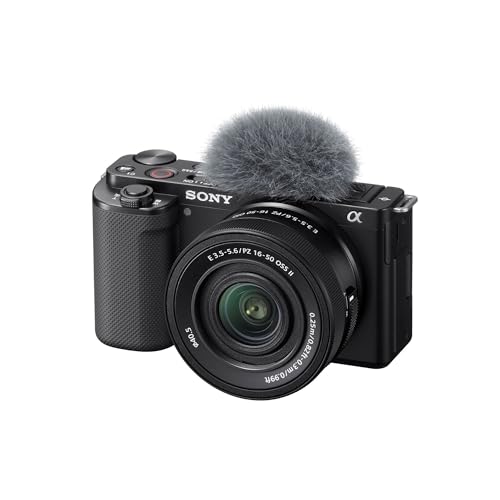
The ZV-E10 is our best overall because it hits the sweet spot for most creators. Its APS-C sensor delivers great image quality, and the autofocus is reliable. The flip screen makes vlogging easy. Just be aware of the lack of IBIS and 4K60.
Canon EOS R50: The Hybrid Helper
If you also shoot photos for thumbnails, the R50 is a great choice. It has a vari-angle screen and dual-pixel autofocus. It's slightly more expensive than the ZV-E10 but offers a more traditional camera experience.
Panasonic Lumix GH6: The Video Pro
For advanced creators, the GH6 is a beast. It offers 5.7K and superb stabilization. It's larger and heavier, but if you need professional features like ProRes and unlimited recording, it's worth it.
DJI Osmo Pocket 3: The Portable Wonder
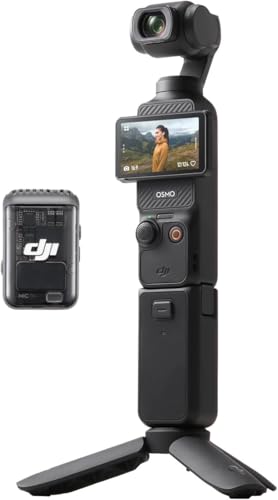
If you travel or vlog on the go, the Osmo Pocket 3 is unbeatable. It fits in your pocket and gives you gimbal-stabilized footage. The 1-inch sensor is good for its size, but low light is a limitation.
Sony A7 IV: The Full-Frame Upgrade
When budget allows, the A7 IV delivers stunning full-frame quality. It's a favorite among professional YouTubers. It's pricey, but if you need the best, this is it.
Final Thoughts
Remember, the best camera is the one you'll use. Think about your content style, budget, and future needs. All five picks are solid, but the Sony ZV-E10 offers the best balance for most creators. Check the current price on Amazon to see if it fits your budget.