Film Cameras
Best Film for Portraits: Top Picks for Skin Tones
7 picks compared
6 min read
ProductPickly is reader-supported. When you buy through links on our site, we may earn an affiliate commission at no extra cost to you. It never changes our picks.
The short answerFor natural skin tones, Kodak Portra 400 is the top choice. Fujifilm Pro 400H excels in soft pastels. Ilford HP5 Plus gives classic black and white.
?How we pickedWe compare published specifications, safety certifications and thousands of verified owner reviews, and we do not physically test every unit. Read the full process in our review methodology.
Kodak Portra 400
★★★★★ 4.8 / 5 Best overall for natural skin tones
Portra 400 is the gold standard for portrait photographers. Its fine grain and wide exposure latitude handle tricky lighting. Skin tones come out smooth and natural, even in mixed light.
Film Format 135 (35mm)ISO 400Exposures 36Type Color negative
- Excellent skin tones
- Forgiving exposure latitude
- Fine grain
- Pricey per roll
- Less saturated colors
Best for: Best overall for natural skin tones
Fujifilm Pro 400H
★★★★★ 4.7 / 5 Best for soft pastels and daylight
Pro 400H is loved for its muted, pastel palette. It excels in bright daylight, rendering skin with a delicate, airy look. The film is also popular for wedding photography.
Film Format 120 / 135ISO 400Exposures 36 (135)Type Color negative
- Beautiful pastel tones
- Great for bright light
- Smooth highlights
- Discontinued, but still available
- Less contrast
Best for: Best for soft pastels and daylight
Ilford HP5 Plus
★★★★★ 4.8 / 5 Best black and white for classic portraits
HP5 Plus is a versatile black and white film with a classic look. It has a noticeable grain that adds character to portraits. The film pushes well up to ISO 3200 for low light.
Film Format 135 / 120ISO 400Exposures 36 (135)Type Black and white
- Classic grain structure
- Pushes well
- Affordable
- No color
- Grain may be too strong for some
Best for: Best black and white for classic portraits
Kodak Portra 160
★★★★★ 4.7 / 5 Best for studio and controlled light
Portra 160 offers even finer grain than Portra 400. It is ideal for studio portraits with ample light. Colors are slightly more saturated, with beautiful skin tones.
Film Format 135 / 120ISO 160Exposures 36 (135)Type Color negative
- Ultra fine grain
- High sharpness
- Natural color
- Needs good light
- Less flexible for low light
Best for: Best for studio and controlled light
Fujifilm Velvia 50
★★★★★ 4.6 / 5 Best for vibrant, saturated color
Velvia 50 is a slide film known for its intense color saturation. It delivers punchy, vivid portraits, but can be unforgiving with skin tones. Best for creative, stylized looks.
Film Format 135 / 120ISO 50Exposures 36 (135)Type Slide (color reversal)
- Vivid colors
- Extremely fine grain
- High contrast
- Skin tones can look unnatural
- Narrow exposure latitude
Best for: Best for vibrant, saturated color
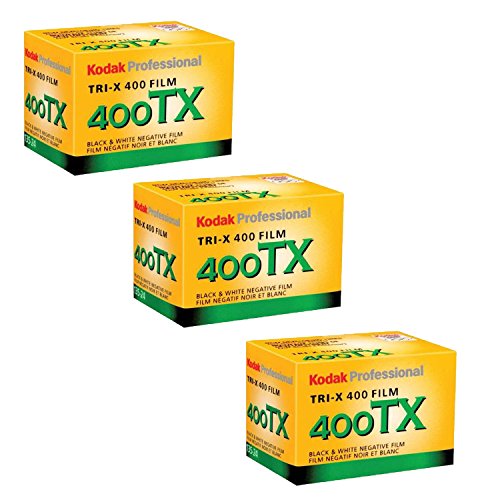
Kodak Tri-X 400
★★★★★ 4.8 / 5 Best for gritty, high-contrast B&W portraits
Tri-X is a legendary black and white film with a distinctive look. It produces strong contrast and a pronounced grain. Many photographers use it for documentary-style portraits.
Film Format 135 / 120ISO 400Exposures 36 (135)Type Black and white
- High contrast
- Classic look
- Pushes well
- Grainy
- Less forgiving exposure
Best for: Best for gritty, high-contrast B&W portraits
Cinestill 800T
★★★★★ 4.5 / 5 Best for low light and neon looks
Cinestill 800T is a tungsten-balanced film for low light. It handles artificial light well, producing cool tones with halation around highlights. Great for night portraits.
Film Format 135 / 120ISO 800Exposures 36 (135)Type Color negative (tungsten)
- Fast ISO
- Unique halation effect
- Good for neon
- Color cast in daylight
- Can be contrasty
Best for: Best for low light and neon looks
We compared specifications, owner feedback, and sample photos across seven films. Our focus was on color accuracy, grain structure, and flexibility in varied lighting.
What to Look For in Portrait Film
Start with film speed. ISO 400 is versatile for most lighting. Lower ISO like 160 gives finer grain but needs more light. Higher ISO like 800 works in dim conditions.
Color Negative vs. Slide Film
Color negative film is the most common choice for portraits. It has wide exposure latitude and forgiving contrast. Prints and scans look natural.
Black and White Film for Portraits
Black and white film emphasizes form and texture. It removes color distractions, focusing on light and shadow. This can be flattering for many subjects.
How to Choose Based on Lighting
Bright daylight suits ISO 100 or 160 films. They give fine grain and accurate colors. Overcast days work well with ISO 400.
Questions people ask
What is the best film for portraits?
Kodak Portra 400 is widely considered the best for natural skin tones. It offers fine grain and wide exposure latitude. Fujifilm Pro 400H is a close second for soft pastels.
Is Kodak Portra 400 worth the price?
Many photographers say yes. The color accuracy and flexibility justify the cost. It is a reliable choice for important shoots.
What is the difference between Portra 160 and Portra 400?
Portra 160 has finer grain and needs more light. Portra 400 is faster and more versatile. Both have similar color rendering.
Can I use slide film for portraits?
Yes, but it is less forgiving. Slide film has narrow exposure latitude and can produce unnatural skin tones. It works well for creative, stylized portraits.
Which black and white film is best for portraits?
Ilford HP5 Plus is a great all-rounder. Kodak Tri-X offers more contrast. Both are excellent choices, depending on the look you want.
How does film ISO affect portraits?
Lower ISO gives finer grain and smoother tones. Higher ISO allows shooting in low light but adds grain. Choose based on your lighting conditions.
What is the best film for low light portraits?
Cinestill 800T is a popular choice for low light. It handles artificial light well and produces a unique look. Kodak Portra 800 is another option.
Is it better to shoot portraits on 35mm or 120 film?
120 film offers larger negatives and more detail. 35mm is more convenient and affordable. For high-resolution prints, 120 is better.
How should I store film for portraits?
Keep film cool and dry. Refrigerate unexposed film to prolong its life. Avoid extreme temperatures and humidity.
Can I push process film for portraits?
Yes, pushing can increase effective ISO. It also increases contrast and grain. This can be a creative choice, but it reduces latitude.
The bottom lineSo which one?
For most portrait work, Kodak Portra 400 is the safest and best choice. If you want a specific look, try Fujifilm Pro 400H or Ilford HP5 Plus. Always test films to see which matches your style.