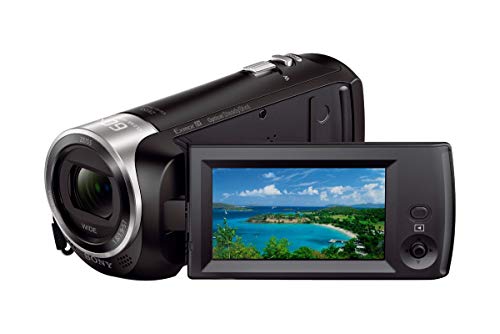
High speed cameras open up a world of detail invisible to the naked eye. Whether you are analyzing a golf swing, studying fluid dynamics, or creating cinematic slow motion, the right system makes all the difference. Our editorial team compared specifications, buyer feedback and key decision factors across five top options currently available in the US market.
Buying Guide: What to Look For in a High Speed Camera System
Frame rate is the headline spec, but it is not the only thing that matters. Here are the key factors to consider before you invest.
Frame Rate and Resolution
Higher frame rates allow you to slow down time, but they often reduce resolution. For example, a camera may shoot 4K at 120 fps but only 1080p at 1000 fps. Decide what you need: for most sports and action, 240 fps at 1080p is sufficient. For scientific research, you may need 1000 fps or more.
Sensor Size and Low Light Performance
A larger sensor (full-frame or 1-inch) generally produces better image quality and performs better in low light. High speed capture requires lots of light, so a sensitive sensor is crucial. The Canon EOS R6 Mark II's full-frame sensor gives it an edge in dim conditions.
Buffer and Recording Duration
High speed video consumes massive amounts of data. Check the internal buffer and recording time limits. The Phantom Flex4K has up to 512GB of memory, while the Chronos 2.1-HD has only 8GB, which fills quickly at 1000 fps.
Portability and Durability
If you shoot in the field, a compact camera like the Sony RX100 VII or GoPro Hero12 Black is easy to carry. For studio or lab work, a larger system like the Phantom is acceptable. Ruggedness matters for action sports; the GoPro is waterproof and shockproof.
Lens System and Compatibility
Interchangeable lenses give you flexibility. The Canon EOS R6 Mark II uses RF lenses, while the Phantom Flex4K supports PL and EF mounts. Fixed-lens cameras like the Sony RX100 VII are less versatile but simpler to use.
Budget and Total Cost of Ownership
High speed cameras can be expensive, not just upfront but also for accessories like lighting, memory cards, and tripods. The Chronos 2.1-HD is a budget-friendly entry point, while the Phantom is a major investment.
Common Mistakes to Avoid
Ignoring Light Requirements
High speed capture needs lots of light. A common mistake is using a camera with a small sensor in a dim environment, resulting in noisy footage. Invest in LED panels or shoot outdoors.
Overestimating Frame Rate Needs
You do not always need 1000 fps. For most applications, 240 fps is enough and saves storage space. Buying a camera with extreme fps may be overkill and waste money.
Forgetting About Storage and Transfer Speed
High speed video produces huge files. Use fast memory cards (UHS-II or CFexpress) and have a plan for offloading data. A slow card can cause dropped frames.
Neglecting the Lens
The camera body is only half the system. A kit lens may not be sharp enough for high speed work. Consider a prime lens with a wide aperture for better results.
Not Testing Before Buying
If possible, rent a camera or test it in a store. Check the ergonomics, menu system, and actual output quality. Online reviews are helpful, but hands-on experience is invaluable.
Final Thoughts
Choosing the best high speed camera system depends on your specific needs. The Sony RX100 VII is our top pick for its versatility and portability. For professionals, the Phantom Flex4K is unmatched. Whatever you choose, ensure it fits your workflow and budget.