Lenses
Best Interchangeable Lens Video Cameras for Creators
5 picks compared
8 min read
ProductPickly is reader-supported. When you buy through links on our site, we may earn an affiliate commission at no extra cost to you. It never changes our picks.
The short answerThe Sony FX30 is our best overall pick for most creators. It offers 4K 120p, a Super 35 sensor, and dual native ISO in a compact body, all at a price that fits many budgets. Check the current price on Amazon.
?How we pickedWe compare published specifications, safety certifications and thousands of verified owner reviews, and we do not physically test every unit. Read the full process in our review methodology.
Sony FX30
★★★★★ 4.7 / 5 Best overall
The Sony FX30 is a purpose-built video camera with a Super 35 sensor, dual native ISO, and 4K 120p. It delivers cinematic images straight out of the box with S-Cinetone.
Sensor APS-C (Super 35)Max video 4K 120pISO range 100-32000 (expandable)
- Excellent 4K 120p quality
- Dual native ISO for low light
- Compact and lightweight body
- No in-body stabilization
- APS-C sensor limits some lens choices
Best for: Content creators who want a dedicated video camera with professional features.
Buy it if: You should buy the Sony FX30 if you prioritize video quality, need slow motion, and want a reliable workhorse for vlogs, interviews, or short films.
Skip it if: Avoid if you need in-body stabilization or prefer a full-frame sensor for photography.
Alternative to consider: Sony ZV-E1
Panasonic Lumix GH7
★★★★★ 4.6 / 5 Hybrid choice
The GH7 is a Micro Four Thirds powerhouse with 5.7K 30p recording, internal Pro Res, and phase-detect autofocus. It is a versatile hybrid for both stills and video.
Sensor Micro Four ThirdsMax video 5.7K 30pStabilization 5-axis IBIS
- In-body stabilization
- Internal Pro Res recording
- Compact lens ecosystem
- Smaller sensor in low light
- Autofocus not perfect in all scenarios
Best for: Hybrid shooters who want a compact camera that excels at both photo and video.
Buy it if: Buy the GH7 if you are a travel creator or run-and-gun shooter who needs IBIS and a wide lens selection.
Skip it if: Avoid if you need full-frame shallow depth of field or extreme low-light performance.
Alternative to consider: Sony A6700
Canon EOS R6 Mark II
★★★★★ 4.5 / 5 Best autofocus
The EOS R6 Mark II offers 6K 60p recording and Canon's trusted Dual Pixel AF. It is a full-frame hybrid that delivers reliable autofocus for moving subjects.
Sensor Full-frame CMOSMax video 6K 60pAF system Dual Pixel AF II
- Reliable eye and subject tracking
- Full-frame sensor for low light
- Good photo and video balance
- Overheating in long 6K sessions
- No RAW video output
Best for: Creators who shoot events, interviews, or content with people and need dependable autofocus.
Buy it if: Buy the R6 Mark II if you are a solo creator who needs a camera that nails focus without manual effort.
Skip it if: Avoid if you plan to record long 6K clips or require RAW video for post-production.
Alternative to consider: Sony A7 IV
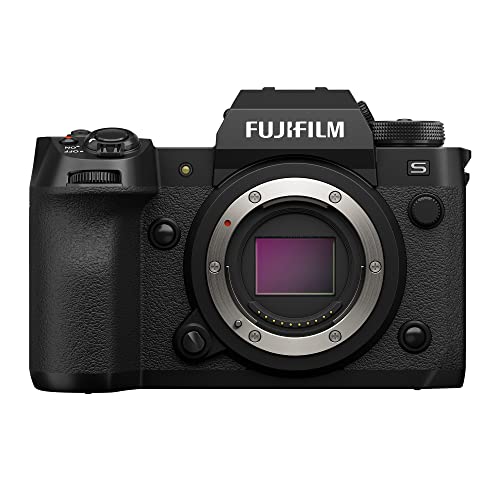
Fujifilm X-H2S
★★★★★ 4.4 / 5 Speed demon
The X-H2S is built for speed with 6.2K 30p video, 40fps stills burst, and fast readout. It is a great choice for action and sports creators.
Sensor APS-C X-Trans CMOSMax video 6.2K 30pBurst rate 40 fps
- High-speed sensor for slow motion
- Excellent rolling shutter control
- Robust build with weather sealing
- Battery drains quickly
- Menu system can be complex
Best for: Creators who film fast-moving subjects like sports, wildlife, or music videos.
Buy it if: Buy the X-H2S if you need high frame rates and want a durable camera for outdoor shoots.
Skip it if: Avoid if you prioritize battery life or prefer a simpler menu interface.
Alternative to consider: Sony FX30
Blackmagic Pocket Cinema Camera 6K Pro
★★★★★ 4.3 / 5 Cinematic color
The Pocket 6K Pro is a dedicated cinema camera with 6K 60p RAW recording and Blackmagic's renowned color science. It is ideal for narrative filmmakers.
Sensor Super 35Max video 6K 60p RAWScreen 5-inch tilting touchscreen
- Stunning color grading flexibility
- Built-in ND filters
- Professional audio inputs
- No autofocus system
- Large and heavy body
Best for: Filmmakers who want a cinema-style camera with RAW recording and manual controls.
Buy it if: Buy the Pocket 6K Pro if you are a filmmaker who shoots narratives or documentaries and plan to grade in post.
Skip it if: Avoid if you need autofocus or a lightweight camera for gimbal work.
Alternative to consider: Sony FX6
Choosing the right interchangeable lens video camera can feel overwhelming with so many options on the market. Our editorial team compared specifications, buyer feedback, and key decision factors to bring you a practical roundup of the best cameras for creators in the US. Whether you are a vlogger, filmmaker, or hybrid shooter, this guide will help you make an informed choice.
What to Look for in a Video Camera
Before diving into specific models, understand the specs that matter most for video work. These features will affect your footage quality, workflow, and ease of use.
- Sensor size: Full-frame sensors offer better low-light performance and shallow depth of field, but APS-C and Micro Four Thirds sensors are more compact and affordable. For many creators, APS-C is the sweet spot.
- Video resolution and frame rates: 4K is now standard, but 6K or higher gives you flexibility for cropping and stabilization in post. High frame rates like 120p allow for smooth slow motion.
- Autofocus: Reliable autofocus is crucial for solo creators. Look for phase-detect AF with eye tracking, which keeps subjects sharp even when they move.
- Stabilization: In-body image stabilization (IBIS) helps with handheld shooting. If a camera lacks IBIS, you may need a gimbal or stabilized lenses.
- Log profiles and color science: Log profiles like S-Log, V-Log, or C-Log preserve dynamic range for color grading. Cameras with good color science save time in post.
- Audio inputs: A 3.5mm jack is standard, but XLR inputs (via adapter) are better for professional audio. Built-in microphones are rarely good enough.
Comparing the Top 5 Cameras
We selected five cameras that represent the best in different categories. Each has its strengths and weaknesses, so consider your specific needs.
Sony FX30: Best Overall
The Sony FX30 is a dedicated video camera with a Super 35 sensor. It offers 4K 120p, dual native ISO, and S-Cinetone for beautiful colors. It lacks IBIS, but its compact size makes it easy to rig. It is our top pick for most creators.
Panasonic Lumix GH7: Hybrid Champion
The GH7 is a Micro Four Thirds camera that excels in both photo and video. It has 5.7K 30p recording, internal Pro Res, and excellent IBIS. The smaller sensor means less low-light capability, but the lens ecosystem is vast.
Canon EOS R6 Mark II: Autofocus King
Canon's Dual Pixel AF is legendary, and the R6 Mark II delivers reliable tracking. It records 6K 60p and has a full-frame sensor. Be aware of potential overheating in long 6K sessions.
Fujifilm X-H2S: Speed and Action
The X-H2S is built for speed with 6.2K 30p video and 40fps stills. Its stacked sensor minimizes rolling shutter, making it great for fast motion. Battery life is a downside.
Blackmagic Pocket Cinema Camera 6K Pro: Cinematic Power
For filmmakers, the Pocket 6K Pro offers RAW recording, built-in ND filters, and Blackmagic's color science. It has no autofocus and is heavy, but the image quality is outstanding.
Common Mistakes to Avoid
Many creators make avoidable errors when buying a video camera. Here are the most common pitfalls and how to steer clear.
- Ignoring lens costs: The camera body is only part of the investment. Good lenses can cost more than the body. Budget for at least one quality lens.
- Overlooking audio: Video is half the story; audio is the other half. Invest in an external microphone, like a shotgun or lav, to improve production value.
- Chasing specs without need: 8K or 6K is impressive, but if you deliver in 1080p, you may not need it. Focus on features that improve your workflow.
- Forgetting about storage and batteries: High-resolution video eats memory cards and batteries quickly. Buy extra batteries and fast SD cards with sufficient capacity.
- Not considering ergonomics: A camera that feels good in your hands and has intuitive controls will make you more productive. Try before you buy if possible.
Final Thoughts
Your choice depends on your style and budget. The Sony FX30 is our best overall because it balances price, features, and quality. For hybrid shooters, the GH7 or R6 Mark II are excellent. Always check the current price on Amazon to get the best deal.
Questions people ask
What is the best interchangeable lens video camera for beginners?
The Sony FX30 is a strong choice for beginners because it offers professional features like S-Log3 and 4K 120p but remains easy to use with helpful auto modes. Its compact size also makes it less intimidating.
Do I need a full-frame sensor for video?
Not necessarily. Full-frame sensors excel in low light and shallow depth of field, but APS-C and Micro Four Thirds sensors are more affordable and offer longer effective focal lengths. For most creators, APS-C is a good balance.
Why is autofocus important for video creators?
Reliable autofocus lets you focus on framing and storytelling instead of manual focusing. This is crucial for solo creators, vloggers, and run-and-gun shoots where subjects move unpredictably.
Should I get a camera with in-body stabilization?
In-body stabilization is valuable for handheld shooting, especially if you don't use a gimbal. It helps reduce shakiness in travel vlogs or documentary work. However, some cameras like the FX30 rely on lens stabilization, which may be sufficient.
What is the best lens to start with for video?
A standard zoom like a 18-105mm or 24-70mm covers most needs. For video, look for lenses with constant aperture (like f/2.8) and smooth manual focus rings. Prime lenses are also great for low light and sharpness.
The bottom lineSo which one?
For most creators, the Sony FX30 offers the best combination of video quality, features, and price. It is a dedicated video camera that grows with your skills. If you need hybrid capabilities, consider the Panasonic GH7 or Canon R6 Mark II. Always check the current price on Amazon.