Macro photography opens up a world of tiny details, from the intricate patterns on a butterfly's wing to the delicate structure of a flower's stamen. For full frame camera users, a dedicated macro lens is essential for achieving true 1:1 magnification and tack-sharp focus. Our editorial team compared specifications, buyer feedback and key decision factors to bring you the best macro full frame lenses for ultra-close-ups.
What to Look for in a Macro Full Frame Lens
When choosing a macro lens, several specs matter more than others. Understanding them helps you pick the right tool for your photography style.
Magnification Ratio
Most macro lenses offer 1:1 magnification, meaning the subject is captured at life size on the sensor. Some lenses, like the Laowa 100mm f/2.8 2x, go beyond to 2:1 for even closer views. Higher magnification lets you fill the frame with tiny subjects, but it also makes focusing more challenging.
Focal Length
Focal length affects working distance, the space between the lens and the subject. A 90mm or 100mm lens gives you more room, which is useful for skittish insects or to avoid casting shadows. Shorter focal lengths like 50mm require you to get very close, which can be intrusive.
Image Stabilization
At high magnifications, even tiny movements cause blur. Image stabilization (IS or VR) helps you shoot handheld at slower shutter speeds. Lenses like the Sony 90mm and Canon 100mm have built-in stabilization, while others rely on your camera's IBIS.
Autofocus vs. Manual Focus
Autofocus is convenient, but many macro photographers prefer manual focus for precise control. Some lenses, like the Laowa, are manual focus only, which can be a drawback if you need quick AF. Look for lenses with focus limiters to speed up AF.
Common Mistakes to Avoid
Even with a great lens, macro photography has pitfalls. Here are common errors and how to avoid them.
Ignoring the Need for a Tripod
Handheld macro shots are often blurry due to camera shake. Use a sturdy tripod and a remote shutter release to ensure sharp images. If you must shoot handheld, use a lens with stabilization and a fast shutter speed.
Using Too Small an Aperture
While a small aperture (like f/16) increases depth of field, it also causes diffraction, reducing sharpness. Find the sweet spot, usually around f/8 to f/11, for optimal detail.
Forgetting to Focus Carefully
At 1:1 magnification, depth of field is razor thin. Use manual focus and focus peaking or live view magnification to nail focus on the most important part of the subject.
Overlooking Working Distance
A short working distance can scare away insects or block light. Choose a longer focal length if you need more space, and consider using a macro flash for even lighting.
Final Thoughts
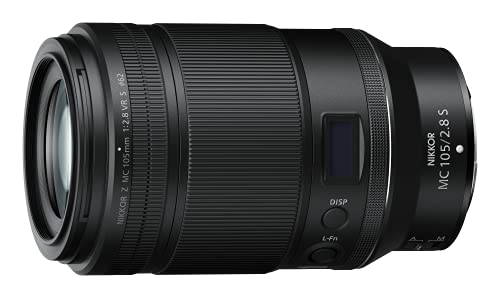
Choosing the best macro full frame lens depends on your camera system, budget, and shooting style. The Sony FE 90mm f/2.8 Macro G OSS offers the best balance of sharpness, stabilization, and usability. For Canon and Nikon users, their respective 100mm and 105mm lenses are excellent. If you're on a budget, the Sigma 105mm is a smart choice, and for extreme close-ups, the Laowa 100mm 2x is unmatched. Remember to check the current price on Amazon and read user reviews to make an informed decision.