Video and Camcorders
Best Mics for YouTube in 2026: Top Picks
7 picks compared
6 min read
ProductPickly is reader-supported. When you buy through links on our site, we may earn an affiliate commission at no extra cost to you. It never changes our picks.
The short answerFor most YouTubers, the Audio-Technica AT2020USB+ offers clear, warm sound at a fair price. The Blue Yeti X is a versatile USB mic with excellent software. For vloggers, the Rode VideoMic NTG is a top choice.
?How we pickedWe compare published specifications, safety certifications and thousands of verified owner reviews, and we do not physically test every unit. Read the full process in our review methodology.
Audio-Technica AT2020USB+
★★★★★ 4.7 / 5 Best Overall USB Mic
The AT2020USB+ is a cardioid condenser mic that captures clear, detailed voice. It plugs directly into your computer via USB, no interface needed. Its sturdy build and consistent performance make it a favorite among YouTubers.
Type CondenserPolar Pattern CardioidConnection USBSample Rate 44.1/48 kHz
- Clear, natural sound
- Plug-and-play USB
- Durable metal construction
- No mute button
- Requires pop filter for plosives
Best for: Best Overall USB Mic
Blue Yeti X
★★★★★ 4.6 / 5 Best for Gaming and Streaming
The Blue Yeti X is a premium USB mic with four polar patterns and a high-res LED meter. Its companion software, Logitech G Hub, lets you tweak EQ and compression. It excels in noisy environments with its cardioid mode.
Type CondenserPolar Patterns Cardioid, Bidirectional, Omnidirectional, StereoConnection USBSample Rate 48 kHz
- Multiple polar patterns
- Powerful software
- Built-in headphone jack
- Heavy and bulky
- Picks up background noise in omni mode
Best for: Best for Gaming and Streaming
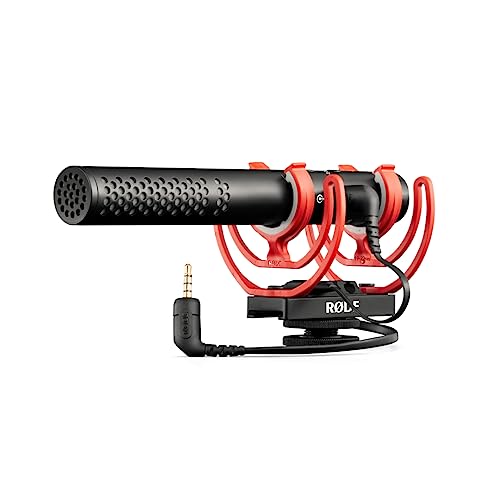
Rode VideoMic NTG
★★★★★ 4.8 / 5 Best for Vloggers
The VideoMic NTG is a shotgun mic designed for cameras and mobile devices. It runs on a built-in rechargeable battery or USB power. Its supercardioid pattern rejects side noise, making it ideal for outdoor vlogging.
Type CondenserPolar Pattern SupercardioidConnection 3.5mm TRS, USB-CFrequency Range 20 Hz - 20 kHz
- Excellent noise rejection
- Rechargeable battery
- Includes shock mount and windscreen
- Requires camera or recorder with 3.5mm input
- No XLR output
Best for: Best for Vloggers
Shure MV7
★★★★★ 4.7 / 5 Best for Podcasts and Voiceovers
The Shure MV7 is a dynamic USB/XLR hybrid mic inspired by the legendary SM7B. It delivers a warm, focused sound that rejects room noise. Its touch panel controls and auto-level mode simplify recording.
Type DynamicPolar Pattern CardioidConnection USB, XLRFrequency Range 20 Hz - 20 kHz
- Great for spoken word
- USB and XLR connectivity
- Auto-level mode
- Requires gain boost for quiet voices
- Pricey compared to other USB mics
Best for: Best for Podcasts and Voiceovers
Samson Q2U
★★★★★ 4.6 / 5 Best Budget USB/XLR Mic
The Samson Q2U is a dynamic mic that works via USB or XLR. It includes a shock mount, pop filter, and desktop stand. Owners report solid build and clear audio for the price.
Type DynamicPolar Pattern CardioidConnection USB, XLRFrequency Range 50 Hz - 15 kHz
- Very affordable
- USB and XLR outputs
- Complete kit included
- Limited frequency response
- No mute button
Best for: Best Budget USB/XLR Mic
Rode NT-USB+
★★★★★ 4.7 / 5 Best for Studio-Quality USB
The Rode NT-USB+ is a condenser mic with a 24-bit/48 kHz converter. It features a pop filter, shock mount, and headphone output. Its cardioid pattern captures voice with clarity and warmth.
Type CondenserPolar Pattern CardioidConnection USB-CSample Rate 48 kHz
- Studio-quality sound
- USB-C connectivity
- Includes pop filter and shock mount
- No XLR output
- Picks up background noise if not treated
Best for: Best for Studio-Quality USB
Elgato Wave:3
★★★★★ 4.5 / 5 Best for Streamers
The Elgato Wave:3 is a USB condenser mic with a built-in pop filter and Clipguard technology. Its Wave Link software acts as a virtual mixer, blending audio sources. It offers a broadcast-quality sound with low noise.
Type CondenserPolar Pattern CardioidConnection USB-CSample Rate 96 kHz
- Clipguard prevents distortion
- Wave Link software
- Capacitive mute button
- Software required for full features
- No XLR output
Best for: Best for Streamers
Sound quality matters, but so does ease of use and background noise rejection. We prioritized mics that deliver clear, broadcast-ready audio without breaking the bank.
What to Look For in a YouTube Mic
Start with the type of mic. USB mics are easiest, while XLR mics offer more control but need an interface. Consider the polar pattern: cardioid is best for solo voice, while omnidirectional picks up all around. Check the frequency response for clarity. Also, look for built-in features like mute buttons and headphone jacks.
USB vs XLR: Which is Better?
USB mics plug directly into your computer, making them ideal for beginners. XLR mics require an audio interface, but they allow for upgrades and multi-mic setups. For most YouTubers, a USB mic is sufficient. If you plan to grow a podcast studio, XLR might be worth the investment.
Dynamic vs Condenser Mics
Dynamic mics are rugged and reject background noise, perfect for untreated rooms. Condenser mics capture more detail and sensitivity, but they pick up room tone. For voiceovers and podcasts, dynamic mics like the Shure MV7 are often preferred. For singing or acoustic instruments, a condenser is better.
How to Set Up Your Mic for Best Sound
Place the mic about a fist's distance from your mouth, slightly off-axis to avoid plosives. Use a pop filter and shock mount to reduce vibrations. Set your gain so your voice peaks around -6 dB. Record in a quiet room and consider acoustic treatment to minimize echoes.
Questions people ask
What is the best mic for YouTube for beginners?
The Samson Q2U is a great budget choice because it works via USB and XLR, so you can upgrade later. It includes everything you need to start.
Can I use a USB mic for YouTube?
Yes, USB mics are perfect for YouTube. They plug directly into your computer and require no extra gear. Most offer good sound quality for voice.
What is the difference between cardioid and omnidirectional mics?
Cardioid mics pick up sound from the front, rejecting side and rear noise. Omnidirectional mics capture sound from all directions, which can be useful for interviews but picks up more room tone.
Do I need a pop filter for my mic?
A pop filter helps reduce plosives like 'p' and 'b' sounds. Many mics come with one, but if not, it's a cheap accessory that improves audio.
How do I connect an XLR mic to my computer?
You need an audio interface with XLR inputs, like the Focusrite Scarlett series. Connect the mic to the interface, then the interface to your computer via USB.
What is the best mic for vlogging on a camera?
The Rode VideoMic NTG is a top choice for on-camera use. It's compact, runs on battery, and has excellent noise rejection for outdoor shots.
Is a dynamic mic better than a condenser for YouTube?
It depends on your room. Dynamic mics are better for noisy or untreated spaces because they reject background sound. Condensers are more sensitive and capture more detail, but they need a quiet room.
Can I use a gaming headset mic for YouTube?
You can, but the audio quality is usually lower. A dedicated USB mic will sound clearer and more professional for your videos.
What is the best mic for podcasting on YouTube?
The Shure MV7 is excellent for podcasts because it delivers broadcast-quality voice and has both USB and XLR outputs. It also has an auto-level mode for consistent audio.
How much should I spend on a YouTube mic?
You can get a decent USB mic for under like the Samson Q2U. For better sound and features, expect to spend to High-end mics can go over but they're not necessary for most YouTubers.
The bottom lineSo which one?
For most creators, the Audio-Technica AT2020USB+ is the best all-around USB mic. If you vlog on the go, the Rode VideoMic NTG is unbeatable. Budget users should grab the Samson Q2U without hesitation.