Monopods
Best Monopods: Top Camera and Video Support Picks
7 picks compared
9 min read
ProductPickly is reader-supported. When you buy through links on our site, we may earn an affiliate commission at no extra cost to you. It never changes our picks.
The short answerFor most people the 73.2 inch Q6 fluid head monopod is the best pick in this lineup, because it combines a removable tripod base so it stands on its own, a fluid head for smooth video, and a listed 22 pound load for heavier rigs. The SmallRig carbon fiber model is the lightest option for long days on foot, the Manbily A-222 is a solid all-rounder with feet and a 15.5 pound load, and the ULANZI TB12 is the most compact for travel. On a budget, the Amazon Basics 67 inch pole covers the basics for a lighter camera.
?How we pickedWe compare published specifications, safety certifications and thousands of verified owner reviews, and we do not physically test every unit. Read the full process in our review methodology.
Professional Camera Monopod with Feet, 73.2 inch Aluminum Portable Travel Video Monopod with Removable Tripod Stand Base, Max Load 22 Lbs, New Q6 Fluid Head for DJI RS4 Manfrotto, KX3232Q6
★★★★★ 4.7 / 5 Editor's pick
This is our chosen all-rounder because it packs the two features that make a monopod the most useful: a removable tripod stand base so it can stand on its own, and a Q6 fluid head for smooth video pans and tilts. The listing states a 73.2 inch reach and a 22 pound load, so it supports larger camera, camcorder and gimbal setups.
Type Video monopodMaterial AluminumMax height 73.2 inMax load 22 lb
- Removable tripod stand base lets it stand on its own feet
- Q6 fluid head aims at smooth video pans and tilts
- Listed 22 pound load handles larger camera and gimbal rigs
- Aluminum build is heavier than a carbon fiber monopod
- Fluid head and feet add bulk over a plain pole
Best for: Video shooters who want base feet and a fluid head in one monopod.
SmallRig 68.9"/ 175cm Carbon Fiber Video Monopod for Camera
★★★★★ 4.6 / 5 Best carbon fiber
If you carry gear all day, this SmallRig uses carbon fiber to keep the weight down while still reaching a listed 68.9 inches, or 175cm, for eye-level work. It is built as a dedicated video monopod, so it suits run-and-gun shooters who want a light pole they barely notice on a long shoot.
Type Video monopodMaterial Carbon fiberMax height 68.9 in / 175 cmBrand line SmallRig
- Carbon fiber keeps it light for long handheld sessions
- Reaches a listed 68.9 inches for eye-level shooting
- Built as a dedicated video monopod
- Listing does not state a specific max load figure
- Carbon fiber models usually cost more than aluminum
Best for: Video shooters who want a light carbon fiber pole for travel.
Manbily Extendable Camera Aluminum Monopod with Feet, Portable Travel Monopod with Removable Tripod Stand Base for DSLR Canon Nikon Sony Video Camcorder, 5 Sections up to 67-in, Max Load 15.5 Lbs (A-222)
★★★★★ 4.5 / 5 Great all-rounder
The Manbily A-222 is a sensible everyday choice, pairing a removable tripod stand base with a listed 15.5 pound load that covers DSLR and camcorder setups. Its five sections fold down for travel and extend to a stated 67 inches, so one monopod handles both standing and seated angles.
Material AluminumMax height 67 inMax load 15.5 lbSections 5
- Removable tripod stand base lets it stand on its own
- Listed 15.5 pound load suits DSLR and camcorder setups
- Five sections fold down for easier travel
- Aluminum is heavier than carbon fiber at the same height
- Five leg sections mean more locks to extend each time
Best for: Photographers who want a monopod with feet and a solid load rating.
ULANZI TB12 61-Inch Camera Monopod - Portable Tripod & Monopod Photography Stick with 5-Section Height, Aluminum Compact Travel Camera Stick for Canon, Nikon, Sony Mirrorless, DSLR, Easy to Carry
★★★★★ 4.5 / 5 Best for travel
The ULANZI TB12 is built around portability, with a compact aluminum body and folding feet that let it stand as a small tripod when you set it down. Five sections collapse to a short carry length and extend to a listed 61 inches, which makes it an easy monopod to keep in a bag for travel.
Material AluminumMax height 61 inSections 5Base Folding tripod feet
- Compact aluminum build aimed squarely at travel
- Folding tripod feet let it stand as a mini tripod
- Five sections collapse to a short carry length
- Shorter 61 inch max height than the tallest picks here
- Listing does not state a specific max load figure
Best for: Travelers who want a compact monopod that also stands on folding feet.
NEEWER Extendable Camera Monopod with Detachable and Foldable Stand Base
★★★★★ 4.4 / 5 Detachable base
The NEEWER monopod centers on flexibility: its foldable stand base lets the pole stand on its own, and the base detaches when you would rather carry a plain monopod. That makes it a tidy pick for shooters who want the option of feet without being locked into them.
Type Photo monopodBase Detachable foldable stand baseHeight ExtendableBrand NEEWER
- Detachable foldable base lets it stand on its own
- Base comes off when you want a plain lightweight monopod
- Extendable height for different shooting positions
- Listing does not state a specific max load figure
- Listing does not state a specific max height
Best for: Shooters who want a base they can leave behind when traveling light.
Altura Photo 62-Inch Camera Monopod, Heavy Duty Pole & Camera Stand
★★★★★ 4.3 / 5 Heavy-duty pole
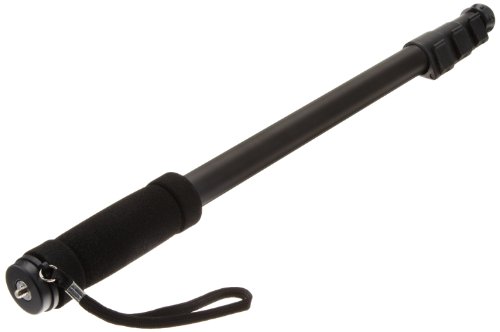
The Altura Photo monopod keeps things simple with a heavy-duty pole and no base to carry, reaching a listed 62 inches for standing shots. It is a straightforward support stick for photographers who just want to steady a camera and move quickly.
Type Photo monopodMax height 62 inBuild Heavy duty poleBrand Altura Photo
- Heavy duty pole aimed at steady, no-frills support
- Reaches a listed 62 inches for standing shots
- Simple pole design with no base to pack
- No base feet, so it cannot stand on its own
- Listing does not state a specific max load figure
Best for: Photographers who want a straightforward heavy-duty support pole.
Amazon Basics 67-Inch Monopod for Camera, Extendable 4-Section, 6.6 lb Capacity, Rubber Foot, Carrying Bag, Black
★★★★★ 4.3 / 5 Budget pick
The Amazon Basics monopod is the simple, low-cost entry point here, with four sections that reach a listed 67 inches and a rubber foot for grip on hard floors. It lists a 6.6 pound capacity and includes a carrying bag, which suits lighter cameras and casual use.
Max height 67 inMax load 6.6 lbSections 4Extras Rubber foot, carry bag
- Reaches a listed 67 inches from four sections
- Rubber foot adds grip on hard surfaces
- Includes a carrying bag for transport
- Listed 6.6 pound load is lighter than the heavy-duty picks
- No base feet, so you have to hold it upright
Best for: Budget buyers with a lighter camera who want a simple, tall monopod.
The best monopod gives you much of a tripod's steadiness with a fraction of the weight and setup time, which is why sports, wildlife and video shooters lean on them. This guide covers genuine camera monopods from the Q6 fluid head model, SmallRig, Manbily, ULANZI, NEEWER, Altura and Amazon Basics, and we only quote the height, load and material figures the listings actually state.
Photo monopod vs video monopod: which one fits your work
Monopods split into two broad styles. A photo monopod, like the Altura Photo pole or the Amazon Basics model, is a straightforward leg you tilt by hand to steady stills or support a long lens. A video monopod adds features for moving footage: a fluid head for smooth, damped pans and tilts, and often a set of base feet so it stays upright between takes. The 73.2 inch Q6 monopod is the clearest video option here with its fluid head, while the SmallRig carbon model is purpose-built as a video monopod. If you mostly shoot stills, a simpler pole is lighter and quicker; if you shoot video, the fluid head and feet earn their keep.
Legs, base feet and fluid heads: standing on its own
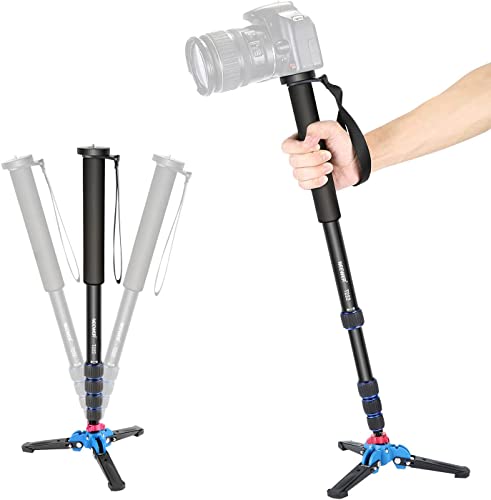
The big practical question is whether a monopod can stand without your hand on it. Several picks solve this differently. The Q6 monopod and the Manbily A-222 use a removable tripod stand base, the ULANZI TB12 folds out small tripod feet, and the NEEWER uses a detachable foldable base you can leave behind. That lets you step back from the camera, lock a frame for video, or rest between shots. The Altura and Amazon Basics models skip feet in favor of a plain pole, which is lighter to carry but means you keep a hand on the monopod. A fluid head, as on the Q6 pick, then adds the smooth tilt that video needs on top of a stable base.
Height and load: match the monopod to your camera
Two listed numbers matter most: how tall the monopod reaches and how much weight it holds. Among these picks the stated maximum heights run from 73.2 inches on the Q6 monopod and 68.9 inches on the SmallRig down to 61 inches on the compact ULANZI, with the 67 inch Manbily and Amazon Basics and the 62 inch Altura in between. Aim for a reach that puts the camera near eye level when you stand. For load, we cite only stated figures: 22 pounds on the Q6 monopod, 15.5 pounds on the Manbily and 6.6 pounds on the Amazon Basics, while the SmallRig, ULANZI, NEEWER and Altura listings describe build rather than a number. Keep your camera and lens comfortably under the listed load for steady support.
Carbon vs aluminum and portability: what you carry all day
Material decides how heavy the monopod feels after hours in the field. Carbon fiber, used by the SmallRig pick, is the lightest at a given height and the easiest to haul on long hikes, though it tends to cost more. Aluminum, used by the Q6 monopod, Manbily, ULANZI and others, is more affordable and very durable while weighing a little more. Section count and collapsed length matter too: the five-section Manbily and ULANZI fold down short for a bag, while taller poles trade pack size for reach. If you travel light, favor carbon or the compact ULANZI; if value and toughness come first, aluminum is the practical pick.
Questions people ask
What is a monopod and how is it different from a tripod?
A monopod is a single adjustable leg that steadies a camera while you hold it, instead of the three legs of a tripod. It will not stand fully on its own unless it has base feet, but it is lighter, faster to set up and quicker to reposition. Photographers use monopods to cut shake at slower shutter speeds and to take the weight of heavy lenses off their arms during long shoots.
What is the difference between a photo monopod and a video monopod?
A photo monopod is usually a plain pole you tilt by hand, which is fine for stills and for supporting a long lens. A video monopod adds features for moving footage, such as a fluid head for smooth pans and tilts and a set of base feet that keep it upright between shots. In this guide the Q6 fluid head pick and the SmallRig carbon model lean toward video, while the Altura and Amazon Basics poles are simpler photo monopods.
Do I need a monopod with feet or a base?
Base feet let a monopod stand on its own for a moment, which helps with video and with stepping away from the camera. Several picks here offer this: the Q6 fluid head monopod and the Manbily have removable tripod bases, the ULANZI has folding feet, and the NEEWER base detaches entirely. If you only ever hold the monopod by hand, a plain pole like the Altura or Amazon Basics saves weight and bulk.
How much weight can these monopods hold?
We only quote the load figures the listings state. The Q6 fluid head monopod lists 22 pounds, the Manbily A-222 lists 15.5 pounds, and the Amazon Basics lists 6.6 pounds. The SmallRig, ULANZI, NEEWER and Altura listings describe their build and height rather than a specific number, so match them to a lighter or mid-weight camera and lens unless you confirm a figure with the seller.
How tall should a monopod be?
Look for a maximum height that brings the camera near your eye level when you stand. Among these picks the listed reaches run from 73.2 inches on the Q6 monopod and 68.9 inches on the SmallRig down to 61 inches on the ULANZI, with the Manbily, Altura and Amazon Basics models in between. Taller models fold down to a longer collapsed length, so balance reach against how small it packs.
Carbon fiber or aluminum: which monopod material is better?
Carbon fiber, as used in the SmallRig pick, is lighter at the same height and easier to carry all day, but it usually costs more. Aluminum, used by the Q6 monopod, Manbily, ULANZI and others, is more affordable and very durable, at the cost of some extra weight. If you hike or travel for hours, carbon is worth it; for value and toughness, aluminum is the practical choice.
Can I use a monopod with a DSLR, mirrorless or camcorder?
Yes. Every monopod here lists compatibility with common cameras, and the picks with higher stated loads, such as the 22 pound Q6 monopod and the 15.5 pound Manbily, are the ones to choose for heavier bodies and long lenses. Check that the head or mount matches your camera's thread, and keep your gear weight below the listed load for steady support.
How do I choose the right monopod for me?
Start with your subject. For video, pick a model with a fluid head and base feet like the Q6 monopod. For long days on foot, the light SmallRig carbon or the compact ULANZI travel well. For general photography with a solid load rating, the Manbily is a strong all-rounder, while the Altura and Amazon Basics poles cover simple, lower-cost needs. Match load and height to your camera first, then let weight and base features decide.
The bottom lineSo which one?
Choose the Q6 fluid head monopod if you want one support that does video and photo, with base feet and a listed 22 pound load. Pick the SmallRig carbon fiber model when weight matters most on long shoots, and the Manbily A-222 when you want feet plus a dependable mid-weight load rating. The ULANZI TB12 is the one to grab for compact travel, the NEEWER suits those who want a base they can detach, and the Altura pole is a simple heavy-duty stick. The Amazon Basics 67 inch monopod is the low-cost starting point for a lighter kit. Match the listed load and height to your camera first, then let base feet and material settle the rest.