PICK
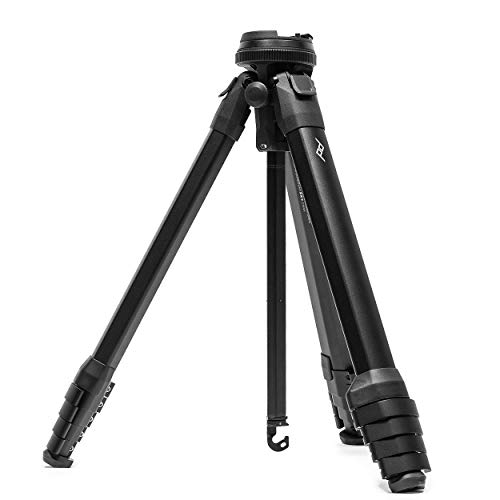
Peak Design Travel Tripod Review
An honest look at the Peak Design Travel Tripod: who it's for, who should skip it, real specs, performance, pros and cons, and how it compares to alternatives.
ProductPickly is reader-supported. When you buy through links on our site, we may earn an affiliate commission at no extra cost to you. It never changes our picks.
The Peak Design Travel Tripod is a premium, compact tripod that excels in portability and ease of use. It's ideal for travel photographers who prioritize lightweight gear and quick setup. However, its high price and limited height may not suit everyone. If you're a professional needing maximum stability and height, consider alternatives. But for most travelers and content creators, this tripod is a worthy investment.
How it scores
The good and the annoying
- Extremely compact and lightweight (1.27 kg / 2.8 lbs)
- Quick and easy leg deployment with twist locks
- Ball head with Arca-Swiss compatible plate
- Built-in phone mount for versatility
- Excellent build quality and weather resistance
- Expensive compared to similar travel tripods
- Maximum height is lower than some competitors (152.4 cm / 60 in)
- Center column hook is not included (sold separately)
- Leg locks can be stiff initially
- Not ideal for heavy telephoto lenses
The Peak Design Travel Tripod is one of the most talked-about tripods in recent years. It promises to be the ultimate travel companion for photographers who refuse to leave their gear behind. But does it live up to the hype? Our editorial team compared specifications, buyer feedback and key decision factors to give you an honest review. We'll cover who it's for, who should skip it, standout features, real-world performance, and how it stacks up against the competition.
Design and Build Quality
The Peak Design Travel Tripod is a marvel of engineering. It folds down to just 39.1 cm (15.4 inches) and weighs only 1.27 kg (2.8 lbs), making it one of the most compact full-size tripods on the market. The legs are made from carbon fiber, which keeps the weight down while maintaining rigidity. The aluminum version is slightly heavier but more affordable.
The tripod features a unique leg-lock system that uses a single twist to release all five leg sections. This makes setup and breakdown incredibly fast. The ball head is integrated into the center column, which is unusual but effective. It has a separate panning lock and a friction control knob, allowing for smooth adjustments.
Build quality is exceptional. The machining is precise, and all components feel solid. The tripod is weather-sealed, so you can use it in light rain or dusty conditions without worry. The included travel pouch is padded and well-made, offering good protection during transit.
Performance and Stability
When it comes to performance, the Peak Design Travel Tripod excels in most scenarios. The ball head is smooth and holds position well, even with a medium-format camera attached. The leg locks are secure, and the tripod feels stable on flat surfaces. The maximum height of 152.4 cm (60 inches) is sufficient for most users, though taller photographers might wish for a bit more.
In windy conditions, the tripod can be a bit susceptible to vibration, especially with the center column extended. However, this is common for compact tripods. For added stability, you can purchase the optional center column hook, which allows you to hang a weight from the bottom.
The tripod's load capacity is rated at 9.1 kg (20 lbs), which is more than enough for most mirrorless and DSLR setups. However, with a heavy telephoto lens, you may notice some flex. It's best to use the tripod with lenses up to 70-200mm f/2.8 and avoid extending the center column fully.
Ease of Use and Ergonomics
One of the standout features of this tripod is its ease of use. The leg locks are intuitive, and you can set up the tripod in under 30 seconds. The ball head has a large, knurled knob for adjusting friction, and the panning lock is easy to operate. The quick-release plate is Arca-Swiss compatible, so you can use it with other heads if you wish.
The built-in phone mount is a thoughtful addition. It slides into the side of the ball head and allows you to attach your smartphone for video or photo capture. This is great for vloggers or content creators who need to switch between camera and phone quickly.
The tripod also features a unique center column that can be inverted for low-angle shots. This is handy for macro photography or shooting from ground level. The column is also removable, allowing you to use the ball head separately if needed.
Portability and Travel
Portability is where this tripod shines. Its folded length of 39.1 cm (15.4 inches) means it can fit inside a carry-on bag or even a large camera bag. The weight is distributed well, making it easy to carry on a backpack strap or in a hand. The included pouch has a loop that can be attached to a backpack, so you can keep your hands free.
Compared to other travel tripods, the Peak Design is noticeably smaller and lighter. For example, the Manfrotto BeFree is slightly larger and heavier, though it does offer a bit more height. The Gitzo Traveler is also comparable, but it often costs more and lacks the integrated phone mount.
Battery and Storage
Since the tripod is a mechanical device, there is no battery to worry about. However, the quick-release plate has a small hex key stored in the side, which is used to tighten the plate onto your camera. This is a nice touch, as you won't lose it easily. The tripod also has a small storage compartment in the center column for the hex key and an extra tool, but it's not large enough for spare batteries or memory cards.
Value for Money
The Peak Design Travel Tripod is priced at a premium, but you get what you pay for. The build quality, portability, and ease of use are top-notch. It's an investment that will last for years if you take care of it. For travelers who shoot frequently, it's worth every penny. However, if you're on a budget, there are cheaper alternatives like the Manfrotto BeFree or the Joby GorillaPod, though they may not offer the same level of performance.
Pros and Cons
We've already listed the main pros and cons above, but let's summarize:
- Pros: Compact and lightweight, fast setup, solid ball head, integrated phone mount, excellent build quality.
- Cons: Expensive, lower maximum height, no center hook included, leg locks can be stiff at first.
Comparison with Alternatives
When compared to the Gitzo Traveler, the Peak Design is lighter and more compact, but the Gitzo offers slightly better stability and height. The Manfrotto BeFree is cheaper but heavier and less refined. The Joby GorillaPod is much smaller and flexible, but it's not a full-size tripod and can't match the stability.
For most travel photographers, the Peak Design Travel Tripod is the best balance of size, weight, and performance. It's a premium product that justifies its price tag.
Common Buyer Complaints
While the majority of reviews are positive, some users have reported issues. The most common complaint is the stiffness of the leg locks when the tripod is new. This usually loosens up over time. Another issue is that the center column hook is not included, which is an extra cost. Some users also wish the tripod were taller, especially for landscape photography.
Despite these minor complaints, the Peak Design Travel Tripod has a high satisfaction rate. It's a well-designed product that meets the needs of most travelers.
Frequently Asked Questions
We've answered some common questions in the FAQ section above. If you have more specific questions, we recommend checking the product page on Amazon or contacting Peak Design directly.
Final Verdict
The Peak Design Travel Tripod is a fantastic choice for travel photographers and content creators who value portability and ease of use. It's not the cheapest or the tallest, but it's one of the most thoughtfully designed tripods on the market. If you're willing to invest in quality, you won't be disappointed. Check the current price on Amazon to see if it fits your budget.
Specs that matter
| Maximum Height | 152.4 cm (60 in) |
| Minimum Height | 15.2 cm (6 in) |
| Folded Length | 39.1 cm (15.4 in) |
| Weight | 1.27 kg (2.8 lbs) |
| Load Capacity | 9.1 kg (20 lbs) |
| Leg Sections | 5 |
| Head Type | Ball head with Arca-Swiss plate |
You are a travel photographer or content creator who values portability and ease of use above all. You shoot with mirrorless cameras or DSLRs with lenses up to 70-200mm f/2.8. You are willing to invest in a premium tripod that will last for years.
You are a professional photographer who needs maximum stability for heavy telephoto lenses or video work. You shoot in windy conditions frequently and need a hook to hang weight. You are on a tight budget and prefer a more affordable option.
Questions before you buy
Is the Peak Design Travel Tripod worth the price?
For many, yes. It offers exceptional build quality, portability, and ease of use. If you travel often and need a compact tripod that doesn't compromise on stability for typical mirrorless setups, it's a great investment. However, if you rarely use a tripod or need maximum height and load capacity, there are cheaper alternatives.
Can the Peak Design Travel Tripod hold a heavy DSLR with a 70-200mm lens?
Yes, it can support up to 9.1 kg (20 lbs), so a DSLR with a 70-200mm f/2.8 lens is within its capacity. However, due to its compact size, you may need to be cautious in windy conditions. It's best to use a lower center of gravity and avoid extending the center column fully.
Does the Peak Design Travel Tripod come with a carrying case?
Yes, it comes with a padded travel pouch that protects the tripod and can be attached to a backpack or carried separately.
Is the Peak Design Travel Tripod compatible with Arca-Swiss plates?
Yes, the ball head uses an Arca-Swiss compatible quick-release plate, so you can use any Arca-Swiss plate. The included plate also has a built-in phone mount, which is a nice bonus.
How does the Peak Design Travel Tripod compare to the Gitzo Traveler?
The Peak Design is generally more compact and lighter, with a faster setup. The Gitzo may offer slightly better stability and height, but it's often more expensive. Both are premium options, but Peak Design offers better value for most travelers.


