Lenses
Wide Angle Lens for Landscape: Top 7 Picks
7 picks compared
6 min read
ProductPickly is reader-supported. When you buy through links on our site, we may earn an affiliate commission at no extra cost to you. It never changes our picks.
The short answerThe best wide angle lenses for landscape are the Canon RF 15-35mm f/2.8L IS USM, Sony FE 16-35mm f/2.8 GM II, and Nikon Z 14-24mm f/2.8 S. Each offers exceptional sharpness and build.
?How we pickedWe compare published specifications, safety certifications and thousands of verified owner reviews, and we do not physically test every unit. Read the full process in our review methodology.
Canon RF 15-35mm f/2.8L IS USM
★★★★★ 4.8 / 5 Best overall for Canon mirrorless
This lens covers a useful 15-35mm range for landscapes. It features a constant f/2.8 aperture and built-in image stabilization. Owners praise its sharpness and weather sealing.
Focal Length 15-35mmAperture f/2.8Image Stabilization YesWeight 840g
- Excellent sharpness
- Effective IS
- Weather sealed
Best for: Best overall for Canon mirrorless
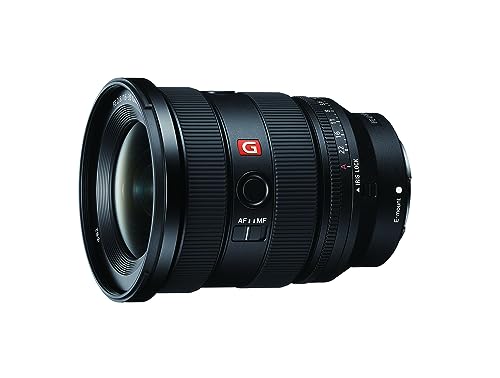
Sony FE 16-35mm f/2.8 GM II
★★★★★ 4.9 / 5 Best overall for Sony E-mount
The second-generation GM lens is lighter and sharper than its predecessor. It offers a 16-35mm range with a bright f/2.8 aperture. Photographers appreciate its fast autofocus and minimal flare.
Focal Length 16-35mmAperture f/2.8Image Stabilization No (body IS)Weight 547g
- Lightweight
- Superb resolution
- Fast AF
Best for: Best overall for Sony E-mount
Nikon Z 14-24mm f/2.8 S
★★★★★ 4.8 / 5 Best ultra-wide for Nikon Z
This lens delivers a dramatic 14-24mm view with excellent edge-to-edge sharpness. It features a constant f/2.8 aperture and a durable build. Owners note its low distortion and minimal coma.
Focal Length 14-24mmAperture f/2.8Image Stabilization No (body IS)Weight 650g
- Ultra-wide coverage
- Sharp corners
- Solid construction
- Bulbous front element
- Pricey
Best for: Best ultra-wide for Nikon Z
Tamron 17-28mm f/2.8 Di III RXD
★★★★★ 4.7 / 5 Best value for Sony E-mount
This Tamron offers a practical 17-28mm range at a lower price than Sony's GM. It is compact and light, making it ideal for hiking. Users report good sharpness and fast autofocus.
Focal Length 17-28mmAperture f/2.8Image Stabilization No (body IS)Weight 420g
- Light and compact
- Affordable
- Sharp center
Best for: Best value for Sony E-mount
Canon RF 16mm f/2.8 STM
★★★★★ 4.6 / 5 Best budget prime for Canon RF
This tiny prime is a low-cost entry into wide angle photography. It offers a fixed 16mm focal length with f/2.8 aperture. Owners like its portability and decent image quality.
Focal Length 16mmAperture f/2.8Image Stabilization NoWeight 165g
- Very affordable
- Extremely light
- Good for vlogging
- Fixed focal length
- Soft corners
Best for: Best budget prime for Canon RF
Laowa 15mm f/2 Zero-D
★★★★★ 4.5 / 5 Best for architecture and astro
This manual focus prime is known for its zero distortion and fast f/2 aperture. It is popular among astrophotographers and architecture shooters. The lens is compact and well built.
Focal Length 15mmAperture f/2Image Stabilization NoWeight 500g
- Zero distortion
- Bright aperture
- Good for astro
- Manual focus only
- No weather sealing
Best for: Best for architecture and astro
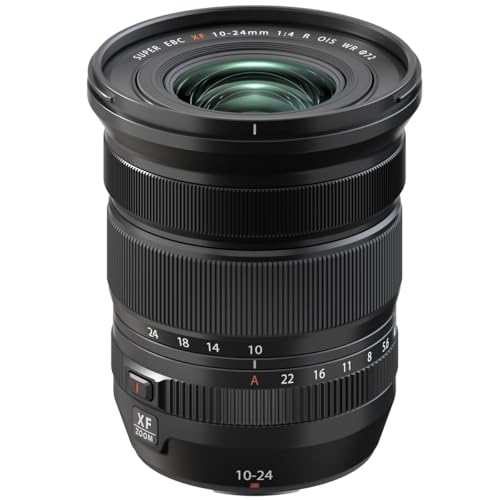
Fujifilm XF 10-24mm f/4 R OIS
★★★★★ 4.7 / 5 Best for Fujifilm X-mount
This lens covers a wide 10-24mm range (15-36mm equivalent) for Fujifilm cameras. It includes optical image stabilization and a constant f/4 aperture. Users appreciate its sharpness and build quality.
Focal Length 10-24mmAperture f/4Image Stabilization YesWeight 410g
- Versatile range
- Built-in OIS
- Sharp results
- Slower aperture
- Not weather sealed
Best for: Best for Fujifilm X-mount
Focal Length and Coverage
Wide angle lenses typically range from 14mm to 35mm. The shorter the focal length, the wider the field of view. For landscapes, a 16-35mm zoom offers flexibility. Ultra-wide lenses like 14-24mm capture dramatic perspectives. Consider what scenes you shoot most often.
Aperture and Low Light
A faster aperture like f/2.8 allows more light and better low-light performance. It also gives more control over depth of field. However, f/4 lenses are lighter and cheaper. For landscape, you often stop down to f/8 or f/11 for sharpness. So, a slower aperture may be acceptable.
Image Stabilization
Image stabilization helps reduce camera shake in handheld shots. It is especially useful in low light or when shooting without a tripod. Many mirrorless cameras have in-body stabilization. In that case, a lens without IS can still be effective. Check your camera body's capabilities.
Build and Weight
Landscape photographers often hike to locations. A lighter lens is easier to carry. Weather sealing protects against dust and moisture. Consider the build quality and weight. A heavier lens may offer better optics but can be a burden on long treks.
Questions people ask
What is the best wide angle lens for landscape photography?
The best lens depends on your camera system and budget. Top picks include the Canon RF 15-35mm, Sony FE 16-35mm GM II, and Nikon Z 14-24mm. These offer excellent sharpness and build quality.
Is a wide angle lens worth it for landscape?
Yes, a wide angle lens lets you capture expansive scenes. It also allows you to get close to foreground subjects while keeping the background in focus. This creates depth in your photos.
What focal length is best for landscape?
Most landscape photographers use 16-35mm on full-frame. This range is versatile for both wide vistas and closer compositions. Ultra-wide lenses like 14-24mm are great for dramatic perspectives.
Can I use a wide angle lens for astrophotography?
Yes, wide angle lenses with fast apertures like f/2.8 or wider are ideal. They capture more light and a wider view of the night sky. Look for lenses with low coma and good edge sharpness.
Prime or zoom for landscape?
Zooms offer flexibility without changing lenses. Primes are often sharper and lighter. If you shoot in varied conditions, a zoom is more practical. For specific styles like astro, a prime may be better.
Do I need image stabilization in a wide angle lens?
Not always if your camera has in-body stabilization. For handheld shots in low light, IS helps. On a tripod, IS is less critical. Consider your shooting style.
What is the difference between full-frame and APS-C wide angle lenses?
Full-frame lenses cover a larger sensor area. APS-C lenses are designed for smaller sensors and have a crop factor. For example, a 10-24mm APS-C lens gives a 15-36mm equivalent on full-frame.
Are third-party wide angle lenses any good?
Yes, third-party brands like Tamron and Laowa offer excellent options. They often provide similar performance at lower prices. However, check compatibility with your camera and autofocus performance.
The bottom lineSo which one?
The best wide angle lens for landscape is the Canon RF 15-35mm for Canon shooters, while Sony users should consider the FE 16-35mm GM II. For a budget option, the Tamron 17-28mm offers great value. Choose based on your camera system and specific needs.