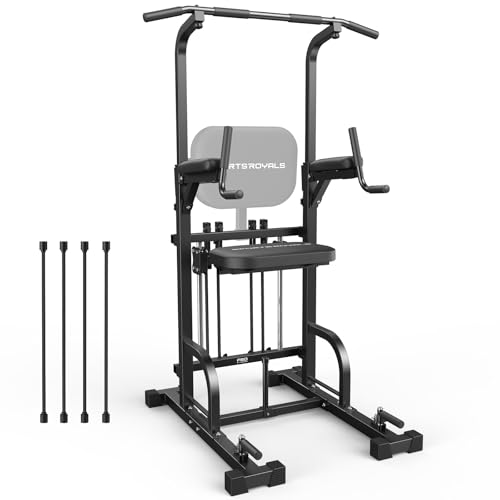
If you want one pull-up bar that does the most in a home setup, the SPORTSROYALS multi-function power tower is our top pick, because a single freestanding frame handles pull-ups, dips, and knee raises without drilling into a wall or clamping a doorframe. Below it, we line up a doorway bar for renters, a higher-capacity tower for bigger lifters, and an assisted option for anyone still working toward a first clean rep.
Our top picks for a home pull-up bar
The pull-up is one of the most honest tests of upper-body strength, and the bar you train on shapes how often you actually do it. A bar that is awkward to set up, wobbles under load, or simply does not fit your room tends to sit unused. That is why this guide sorts real options by how they fit different homes and goals rather than chasing a single winner for everyone.
At the top sits a freestanding power tower that folds several stations into one upright, so your pull day, your dip work, and your core raises all live in the same corner. Just behind it, a higher-capacity adjustable tower earns a place for taller and heavier lifters who want more margin on the frame. For renters and small apartments, a thickened-steel doorway bar covers the pulling movement with no floor footprint at all, and it comes down in seconds when guests arrive.
We also include an assisted tower for people who cannot yet complete several unassisted reps, a familiar RELIFE station for first-time buyers who want the standard template, an adjustable-height tower for households where users differ in size, and a plain compact tower for the tightest rooms. Each pick targets a clear situation, so you can read the labels and jump to the one that matches your space.
How we picked these pull-up bars
Our process is a research process, not a lab test. We select from current Amazon listings in this category and compare them on the details that actually predict a good purchase: the style of bar, the build material, the stations on offer, the stated load capacity, the footprint, and how well each one fits a defined use such as small-space training or assisted work. We read the product information closely and group the field so that each recommendation answers a specific need.
To be clear about what this is and is not, we have not physically tested every unit in a gym. Specifications, capacities, and features come from the manufacturer listings, and those listings can change. We call out where a number is drawn from the listing, we avoid inventing figures that are not published, and we encourage you to confirm the live details on the product page before you commit. Where a model is a familiar brand or a simpler frame, we say so plainly rather than dressing it up.
Honesty is the point of this guide. No single pull-up bar is right for every reader, so you will not find exaggerated claims that one frame beats all comers in every room. Instead, we match the hardware to the person: the versatile tower for a dedicated corner, the doorway bar for a rental, the assisted frame for a beginner, and the adjustable tower for a shared home.
What to look for in a pull-up bar
Sizing and fit
Space decides more than any feature list. A freestanding power tower needs a clear footprint plus swing room for your arms and legs on every station, so measure your corner and your ceiling height before buying. Taller users should check that the bar sits high enough for a full dead hang, which is where an adjustable-height column helps. If you rent or share a room, a doorway bar sidesteps the footprint question entirely, as long as your frame is the right width and in sound condition.
Materials and durability
Most reliable bars use a steel frame, and the ones in this guide are no exception. Thicker tubing and a wide, planted base make the biggest difference to how steady a tower feels under a full-body load, while adjustable feet help a frame sit level on hard floors. On a doorway bar, the grip coating and the contact pads matter because they protect both your hands and the frame. Pay attention to the rated capacity and keep a sensible margin between that figure and your own bodyweight plus any added load.
Value and everyday use
The best value is the bar you will use several times a week, not the one with the longest spec sheet. A multi-station tower earns its space if you will train dips and core alongside pulls, whereas a simple doorway bar is the smarter buy when pulling is all you want and storage is tight. Think about assembly time, how easy the unit is to move, and whether the stations match your actual routine. A frame crammed with attachments you ignore is not better value than a plain bar you reach for daily.
The bottom line
Choose for your space first and your strength second. The SPORTSROYALS multi-function power tower is our overall pick because it packs the most useful training into one freestanding frame, and the ALLY PEAKS doorway bar is the easy value answer when floor space is scarce. Beginners should lean on the assisted tower while they build up, taller and heavier lifters get extra headroom from the adjustable high-capacity model, and shared households benefit from an adjustable column. Whichever you pick, confirm the current listing details, respect the rated capacity, and you will have a bar that keeps earning its corner. For more in this category, see our pull-up bar hub and the wider health and fitness guides.