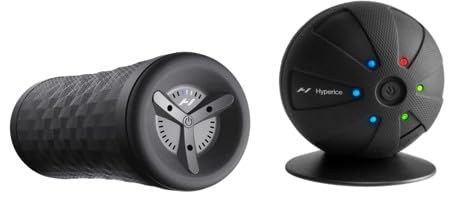
Foam roller bruises happen when excessive pressure damages small blood vessels. Ease into it with a softer roller, limit time per muscle group, and use proper technique to minimize bruising while still reaping recovery benefits.
Why Foam Rolling Causes Bruises
Foam rolling is a form of self-myofascial release that applies pressure to muscles and fascia. While it is generally safe, bruising can occur, especially for beginners or when using a high-density roller. Bruises form when small capillaries under the skin break, allowing blood to leak into surrounding tissue. This is often a result of too much pressure, too fast, or rolling over bony areas.
Our editorial team compared specifications, buyer feedback and key decision factors to understand why bruises happen and how to prevent them. Here are the main reasons:
- Excessive pressure: High-density rollers (firm, with little give) concentrate pressure on a small area. If you lean your full body weight onto the roller, you can easily exceed what your tissues can handle, leading to capillary rupture. For example, a person weighing 150 pounds can generate over 300 pounds of pressure on a small contact point when rolling the quadriceps with full body weight.
- Inadequate warm-up: Rolling cold muscles makes them less pliable and more prone to microtrauma. A warmed-up muscle has better blood flow and elasticity, reducing the risk of bruising. A 5 minute brisk walk or light cycling can increase muscle temperature by 1 to 2 degrees Celsius, making tissue more pliable.
- Rolling over bony prominences: Areas like the iliotibial (IT) band, hip bones, or spine have less muscle padding. Direct pressure on these spots can bruise easily. For instance, rolling directly over the greater trochanter of the hip can cause deep bruises because there is little fat or muscle to cushion the roller.
- Poor technique: Moving too quickly, bouncing, or holding static pressure for too long can all increase the risk. Slow, controlled movements are safer. A common mistake is rolling back and forth rapidly, which creates shear forces that can damage capillaries.
- Underlying health conditions: If you bruise easily due to medication (like blood thinners) or a condition such as low platelet count, you may be more susceptible. Always consult a doctor if you have a bleeding disorder or are on anticoagulant therapy before starting a foam rolling routine.
How to Minimize Bruising While Getting Benefits
You don't have to give up foam rolling to avoid bruises. Follow these steps to reduce the risk while still improving muscle recovery and flexibility.
- Start with a softer roller: If you are new, choose a low-density foam roller (soft, squishy). As your tolerance increases, you can gradually move to medium or high density. Look for rollers labeled "beginner" or "soft." For example, a roller with a diameter of 6 inches and made of soft EVA foam is a good starting point.
- Warm up first: Do 5 to 10 minutes of light cardio (walking, jogging, cycling) to increase blood flow and muscle temperature. This makes tissues more pliable and less prone to damage. A light sweat is a good indicator that you are warmed up.
- Use a lighter pressure: Avoid putting your full body weight on the roller. Support some weight with your hands or opposite leg. The pressure should feel like a deep tissue massage, not a painful jab. A good rule of thumb is to keep the pressure at a level where you can still breathe deeply and talk normally.
- Limit time per muscle group: Spend no more than 30 to 60 seconds on each muscle group initially. Over time, you can increase to 90 seconds, but never exceed 2 minutes on a single spot. For example, when rolling your quads, divide the time between the right and left legs, spending 30 seconds on each.
- Roll slowly and steadily: Move at a pace of about 1 inch per second. Avoid fast, jerky movements. If you find a tender spot, hold gentle pressure for 20 to 30 seconds, but don't press harder. This allows the muscle to relax without causing trauma.
- Avoid bony areas: Focus on the belly of the muscle, not the joints or bones. For the IT band, roll the side of the thigh, not directly over the hip bone. For the back, avoid the spine and roll the muscles beside it. For example, when rolling the calf, avoid the knee joint and the Achilles tendon.
- Hydrate and rest: Drink water after rolling to help flush metabolic waste. Give your muscles at least 48 hours between rolling the same area to allow recovery. Proper hydration also helps maintain tissue elasticity, reducing bruise risk.
- Listen to your body: If you feel sharp pain or notice excessive bruising, back off. Foam rolling should feel uncomfortable but not agonizing. Pain is a signal to reduce pressure. If you experience numbness, tingling, or radiating pain, stop immediately and consult a professional.
When to Replace Your Foam Roller
Foam rollers wear out over time. A worn roller loses its density and becomes less effective, which can lead you to press harder to get the same effect, increasing bruise risk. Replace your roller if you notice:
- Visible cracks, dents, or deformation
- Loss of firmness (it feels softer than when new)
- Unusual smell or material breakdown
- It has been used regularly for more than 6 months
Check the manufacturer's guidelines for lifespan. High-quality rollers made of EVA foam or other durable materials may last longer, but inspect them regularly. For example, a roller that has a permanent indentation from your body weight has lost its structural integrity and should be replaced.
Additional Tips for Bruise-Prone Individuals
If you find that you bruise easily even with proper technique, consider these extra precautions:
- Use a massage ball instead: A lacrosse ball or a softer massage ball can target specific trigger points with less surface area pressure, which may reduce bruising. However, be cautious with balls as they can be even more intense.
- Apply a warm compress before rolling: Heat increases blood flow and tissue elasticity, making muscles more receptive to pressure. A warm towel or heating pad for 5 minutes can help.
- Take arnica or bromelain supplements: Some studies suggest that these natural remedies may help reduce bruising and inflammation. Consult your doctor before taking any supplements.
- Wear compression clothing: Wearing a compression sleeve or tights during rolling can provide a layer of protection and support blood vessels.
Foam rolling is a valuable tool for muscle recovery, but it should not leave you bruised and battered. By choosing the right roller, warming up, and using proper technique, you can enjoy the benefits without the black-and-blue marks. If bruises persist or are severe, consult a healthcare professional to rule out underlying issues.
Remember, the goal is to release tension and improve mobility, not to punish your muscles. Start gently, progress gradually, and your body will thank you.