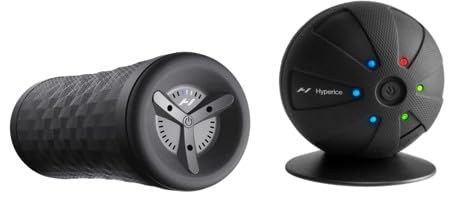
Foam rollers are a staple for recovery and mobility, but not all are created equal. Our editorial team compared specifications, buyer feedback, and key decision factors to help you choose the right roller for your needs. This guide breaks down density, surface texture, size, and materials, so you can roll with confidence.
Why Foam Rolling Matters
Foam rolling is a form of self-myofascial release. It applies pressure to tight areas, improving blood flow, reducing muscle tension, and increasing range of motion. Many athletes and physical therapists recommend it for pre-workout warm-ups or post-exercise recovery. But the effectiveness depends heavily on the roller you use.
Using the wrong roller can be uncomfortable or ineffective. A roller that is too soft may not reach deep tissues, while one that is too firm can cause bruising. Understanding the key features helps you make an informed purchase.
Density Explained
Density refers to how firm the foam is. It determines the amount of pressure applied to your muscles. Density ranges from soft to extra firm.
- Low density: Soft and forgiving, ideal for beginners, sensitive areas, or post-injury use. Often made from softer EVA foam.
- Medium density: A balance of comfort and pressure. Suitable for most users and general recovery.
- High density: Firm and unyielding, provides deep pressure. Best for experienced users or those with dense muscle tissue.
- Extra firm: Often made with a hard plastic core or solid materials. Used for intense myofascial release, but not recommended for novices.
When choosing density, consider your pain tolerance and the areas you plan to roll. For example, the iliotibial band and calves can handle more pressure than the neck or lower back. Start with a softer roller if you are new to foam rolling, and progress to firmer as you adapt.
Surface Texture
Surface texture affects how the roller interacts with your muscles. Smooth rollers provide even, broad pressure. Textured rollers feature ridges, knobs, or bumps that target specific trigger points.
Smooth rollers are versatile and comfortable. They work well for large muscle groups like the back, quads, and hamstrings. They are also easier to clean and slide across the floor.
Textured rollers mimic the effects of a massage therapist's hands or a massage gun. The raised elements dig into fascia and break up adhesions. However, they can be intense, especially on sensitive areas. If you are new to texture, choose a roller with shallow, rounded ridges rather than sharp spikes.
Some rollers combine smooth and textured zones, allowing you to switch between broad and targeted release. This versatility is popular among intermediate users.
Size and Shape
Foam rollers come in various lengths and diameters. The most common are full-length (36 inches) and half-length (18 inches). Also available are shorter versions (12 to 15 inches) and specialty shapes like balls or half-round rollers.
- Full-length rollers: Provide more stability and surface area. They are great for exercises like back rolling, where you lie on the roller and move your body. They also work for balance training.
- Half-length rollers: More portable and easier to store. They are ideal for targeting specific areas like calves or thighs, and they fit in a gym bag.
- Short rollers: Often used for travel or for precise work on smaller muscles. They are less stable but easier to control.
- Half-round rollers: Flat on one side, making them stable for balance exercises and self-massage while lying on the floor.
Diameter also matters. Thicker rollers (6 inches) provide more cushioning and are better for beginners. Thinner rollers (4 inches) offer deeper pressure and are more portable. Choose based on your comfort and intended use.
Materials and Construction
Foam rollers are made from different materials, each with unique properties.
EVA foam: The most common material. It is durable, lightweight, and available in various densities. EVA rollers are usually smooth or have mild texture. They are a good all-around choice.
EPP foam: Expanded polypropylene is denser and more resilient than EVA. It holds its shape well and provides a firmer feel. EPP rollers are often used in high-density models and are suitable for deeper work.
Rubber or cork: These are eco-friendly options that offer a firm, grippy surface. They are less common but provide excellent durability. Cork rollers are naturally antimicrobial and have a unique texture.
Construction quality matters too. Look for rollers with a solid core or a seamless outer layer. Hollow rollers may collapse under heavy weight. Check for a smooth finish to avoid skin irritation.
Matching Roller to Experience
Your experience level should guide your choice.
Beginners: Start with a low to medium density, smooth roller. A full-length EVA roller with a gentle surface is ideal. It allows you to learn proper technique without excessive pain. Use it on larger muscles first, like your back and thighs.
Intermediate users: You can handle a firmer roller or one with mild texture. A medium to high density roller with shallow ridges offers a good balance. You can also experiment with a half-round roller for stability.
Advanced users: High density or extra firm rollers, including EPP or cork, are suitable. Textured rollers with pronounced knobs or spikes can target stubborn knots. You may also use a massage ball for pinpoint release.
Regardless of experience, listen to your body. If you feel sharp pain or bruising, ease off. Foam rolling should feel like a deep stretch, not an injury.
Frequently Asked Questions
What is the best foam roller density for beginners?
Beginners should start with a low or medium density roller, often made from softer EVA foam. These provide a gentler pressure that allows muscles to adapt to self-myofascial release without excessive discomfort. As tolerance builds, you can progress to firmer options.
How do I choose between a smooth and a textured foam roller?
Smooth rollers are ideal for general use, large muscle groups, and beginners. Textured rollers with ridges or knobs offer deeper, more targeted pressure for knots and trigger points. If you are sensitive to pain, start smooth and introduce texture gradually.
Does foam roller size matter for travel?
Yes. Half rollers (about 18 inches) are portable and good for travel or small spaces. Full-length rollers (36 inches) provide more stability and are better for exercises like back rolling or balance work. Choose based on your primary use and storage.
Remember to check the current price on Amazon for the foam roller that fits your needs. A quality roller is an investment in your recovery and performance.