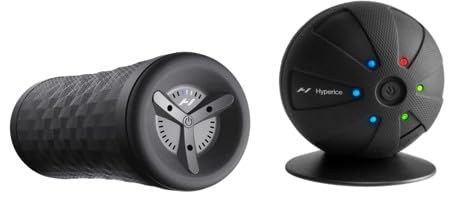
Foam rolling the IT band is a common practice among runners and active people, but is it actually helping? Many people assume that rolling the tight, painful band on the outside of the thigh will break up adhesions and relieve tension. However, the IT band is a thick, fibrous structure that does not behave like muscle tissue. Our editorial team compared expert opinions, research findings, and user experiences to give you a clear picture of what works and what does not.
Is Foam Rolling the IT Band Effective?
The short answer: rolling directly over the IT band is not effective and may even worsen the problem. The IT band, or iliotibial band, is a band of fascia that runs from the hip to the knee. It is not a muscle, so it cannot be stretched or lengthened through compression. When you roll directly on the IT band, you are pressing on a dense, non-elastic tissue, which can cause bruising, inflammation, and increased pain.
What actually causes IT band syndrome? Often, it is not the band itself that is tight, but the muscles that attach to it: the tensor fasciae latae (TFL) at the hip and the gluteus maximus. When these muscles are tight or weak, they pull on the IT band, causing friction at the knee. Therefore, foam rolling should target those muscles, not the band itself.
Research supports this approach. A 2019 study in the Journal of Athletic Training found that foam rolling the quadriceps and gluteals improved hip mobility and reduced pain in people with IT band syndrome. Rolling the IT band directly showed no significant benefit and often increased discomfort.
Proper Foam Rolling Techniques
If you want to use a foam roller for IT band relief, focus on the muscles that influence the band. Here is a step-by-step guide to safe and effective techniques.
- Warm up first. Spend 5 minutes doing light cardio, such as walking or cycling, to increase blood flow to the muscles. Never foam roll cold muscles.
- Roll the TFL (hip area). Lie on your side with the foam roller under your hip, just below the bony point of your pelvis. Support your upper body with your forearm. Roll slowly from the hip toward the top of the thigh for 30 to 60 seconds. This small muscle is often the real culprit.
- Roll the glutes. Sit on the foam roller with it under one buttock, crossing that ankle over the opposite knee. Lean slightly to the side to increase pressure. Roll in small circles for 30 to 60 seconds. This releases tension in the gluteus maximus, which connects to the IT band.
- Roll the quadriceps. Lie face down with the roller under your front thigh. Roll from the hip to just above the knee for 30 to 60 seconds. Tight quads can contribute to IT band strain.
- Use a lacrosse ball for pinpoint release. For stubborn trigger points in the glutes or TFL, a lacrosse ball can provide deeper pressure. Place the ball on the tender spot and hold for 20 to 30 seconds, breathing deeply.
- Finish with gentle stretching. After rolling, stretch the TFL and glutes. A simple standing hip stretch or a figure-four stretch can help maintain the new mobility.
Remember to keep your core engaged and breathe normally. Do not roll over the knee joint or directly on the IT band itself. If you feel sharp pain, stop immediately.
Alternatives and Prevention
Foam rolling is just one piece of the puzzle. For lasting relief from IT band syndrome, you need to address the root causes: muscle imbalances and training errors.
Strengthening Exercises
Weak hip abductors are a leading cause of IT band issues. Incorporate these exercises into your routine 2 to 3 times per week:
- Clamshells: Lie on your side with knees bent, lift the top knee without moving your pelvis. Do 15 reps per side.
- Side-lying leg lifts: Lie on your side, lift the top leg straight up, keeping it in line with your body. Do 10 to 15 reps.
- Glute bridges: Lie on your back with knees bent, lift your hips toward the ceiling. Hold for 2 seconds, lower. Do 15 reps.
- Single-leg squats: Stand on one leg, squat down as if sitting in a chair. Keep your knee aligned with your toes. Do 8 to 10 reps per leg.
Stretching and Mobility Work
Stretch the TFL and hip flexors regularly. A standing hip flexor stretch or a kneeling lunge with a slight side bend can target the TFL. Hold each stretch for 30 seconds, repeat 2 to 3 times.
Check Your Running Form and Gear
Poor running mechanics, such as overstriding or excessive pronation, can increase IT band strain. Consider getting a gait analysis at a specialty running store. Also, replace worn-out shoes, as they lose cushioning and support over time.
When to See a Professional
If pain persists for more than two weeks despite self-care, consult a physical therapist or sports medicine specialist. They can provide a personalized plan that may include manual therapy, dry needling, or biomechanical corrections. In rare cases, corticosteroid injections or surgery may be considered, but these are last resorts.
In summary, foam rolling can be part of your IT band management, but only when done correctly. Focus on the muscles around the band, not the band itself. Combine rolling with strengthening and stretching for the best results. Always listen to your body and seek professional guidance when needed.