A massage gun can be a powerful tool for muscle recovery, but only if you use it correctly. Many people pick up a percussive device and immediately press it into the tightest spot at full power, which often leads to bruising or increased soreness. Our editorial team compared specifications, buyer feedback and key decision factors to create this complete guide. You will learn the proper technique, how to choose speed and pressure, how long to treat each muscle group, and what safety precautions to keep in mind.
Why Technique Matters
Massage guns deliver rapid, repeated pulses that penetrate deep into muscle tissue. When used properly, they can help reduce muscle tension, improve blood flow, and decrease delayed onset muscle soreness. However, incorrect use can cause more harm than good. Pressing too hard, using too high a speed, or staying on one spot for too long can lead to bruises, nerve irritation, or even muscle damage. Understanding the basic principles of percussive therapy ensures you get the benefits without the risks.
The key is to let the device do the work. The gun's force is designed to reach the muscle, not to be manually pressed into the body. You should glide the head slowly across the muscle, allowing the percussion to penetrate naturally. Think of it as a deep tissue massage, not a jackhammer on concrete.
Step by Step Guide
Follow these steps to get the most out of your massage gun session.
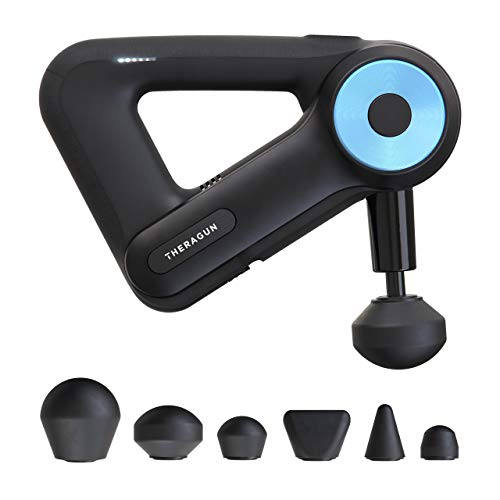
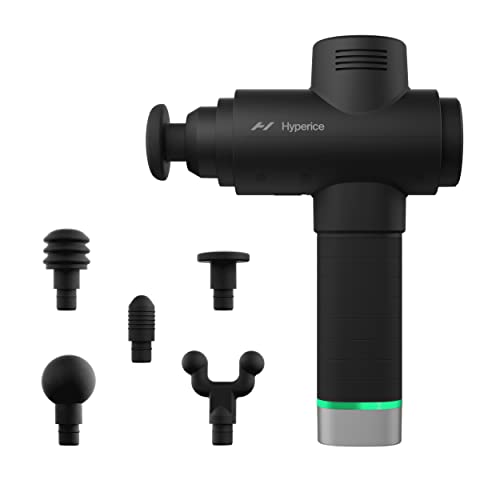
- Choose the right attachment. Most massage guns come with several heads. Use the ball attachment for large muscle groups like the back, glutes, and thighs. Use the fork attachment for the spine area (but avoid the spine itself) and for the Achilles tendon. Use the bullet attachment for pinpoint trigger points, such as the plantar fascia or specific knots.
- Warm up the area. Before using the gun, do a few minutes of light activity or dynamic stretching. This increases blood flow and makes the muscle more pliable. Using a massage gun on a cold muscle can be jarring and less effective.
- Start with the lowest speed. Begin at the lowest setting to let your body adapt to the sensation. Once you feel comfortable, you can increase the speed gradually. For sensitive areas like the neck or inner thigh, always stay on low.
- Glide, don't press. Hold the gun at a 90 degree angle to the muscle and move it slowly across the surface. Do not push hard into the muscle. The weight of the device plus gentle pressure is enough. Let the percussion do the work.
- Spend 30 to 60 seconds per area. For a general recovery session, move the gun over each muscle group for 30 to 60 seconds. For a specific trigger point, you can hold it there for up to 30 seconds, but no longer. Then move to the surrounding area.
- Follow a logical order. Work from larger muscle groups to smaller ones. For example, start with the quadriceps, then hamstrings, then calves, then glutes. This helps promote overall relaxation and blood flow.
- Finish with stretching. After using the gun, do some gentle stretching of the treated muscles. This helps to lengthen the tissue and reinforce the relaxing effects.
Speed, Pressure, and Duration
These three factors determine the effectiveness and safety of your massage gun session.
Speed Settings
Most massage guns have multiple speed settings, usually ranging from 1200 to 3200 percussions per minute. Lower speeds (1200 to 1800) are ideal for warm ups, sensitive areas, and beginners. Medium speeds (1800 to 2400) work well for general recovery and muscle relaxation. High speeds (2400 and above) are best for deep tissue work on large, thick muscles like the glutes or thighs, but only if you have experience. Always start low and increase gradually.
Pressure
Pressure refers to how hard you push the device into the muscle. The rule is to use minimal pressure. The gun's own force is enough to penetrate the muscle. If you press too hard, you can bruise the tissue or cause nerve compression. A good rule of thumb is to apply only enough pressure to keep the head in contact with the skin. For sensitive areas, use even less.
Duration per Muscle Group
Keep each muscle group to 1 to 2 minutes total per session. For example, if you are working on your quadriceps, you might spend 30 seconds on the outer thigh, 30 seconds on the middle, and 30 seconds on the inner thigh. Do not exceed 2 minutes on any single muscle group. Overuse can lead to soreness or tissue damage. Also, avoid using the gun on the same muscle group more than twice a day.
Safety Tips and Common Mistakes
To ensure a safe and effective experience, keep these tips in mind and avoid common errors.
Safety Tips
- Avoid bony areas, joints, and the spine. The gun is designed for soft tissue, not bone.
- Never use the gun on the front or sides of the neck. The upper shoulders and upper back are fine with low speed, but stay away from the carotid arteries.
- Do not use a massage gun on areas with open wounds, rashes, or recent injuries like fractures or severe sprains.
- If you have a medical condition such as blood clots, varicose veins, or a pacemaker, consult your doctor before using a massage gun.
- Pregnant women should avoid using the gun on the abdomen, lower back, and pelvic area.
- Keep the device moving. Never hold it stationary on one spot for more than 30 seconds.
Common Mistakes to Avoid
- Using the highest speed from the start. This can be painful and may cause muscle spasms.
- Pressing too hard. This is the most common mistake and leads to bruising.
- Using the gun on the neck or spine. These areas are sensitive and require extreme caution or avoidance.
- Using the gun for too long. More is not better. Stick to the recommended durations.
- Using the gun on cold muscles. Always warm up first to avoid injury.
- Ignoring pain. If you feel sharp pain, stop immediately. You should feel pressure and vibration, not pain.
By following these guidelines, you can safely incorporate a massage gun into your recovery routine. Remember, the goal is to relax muscles and improve blood flow, not to cause discomfort. If you are ever unsure about a specific technique, consult a physical therapist or sports medicine professional.
For more detailed information on specific massage gun models and their features, check the current price on Amazon and read user reviews to see how others have benefited from proper usage.