Choosing the right massage gun can feel overwhelming with so many models on the market. Our editorial team compared specifications, buyer feedback and key decision factors to help you understand what really matters. This guide breaks down the essential specs: stall force, amplitude, speed settings, noise, battery life, attachments, and weight. By the end, you will know exactly what to look for based on your budget and how you plan to use it.
Why Specs Matter
Massage guns are not one size fits all. A professional athlete may need a powerful device with deep amplitude, while a casual user might prefer a lighter, quieter model for post workout relaxation. Understanding the specs helps you avoid paying for features you do not need or missing the ones you do. The right massage gun can improve blood flow, reduce muscle soreness, and speed up recovery, but only if it matches your body type and usage patterns.
Stall Force
Stall force is the amount of pressure you can apply before the motor stalls or the speed drops. It is measured in pounds. A higher stall force means you can press the gun harder into your muscle without losing power. For deep tissue work on large muscle groups, look for a stall force of at least 30 pounds. Lighter use, such as on the neck or shoulders, may be fine with 20 to 30 pounds. If you are a larger person or have dense muscles, a higher stall force is essential.
Amplitude
Amplitude is the distance the massage head travels in and out, measured in millimeters. It determines how deep the percussion reaches. Most massage guns have an amplitude between 8 and 16 mm. A larger amplitude, like 12 to 16 mm, provides a deeper massage that targets thick muscles such as the hamstrings and glutes. A smaller amplitude, around 8 to 10 mm, is gentler and works well for bony areas or beginners. If you are unsure, choose a model with adjustable amplitude or a mid range of 10 to 12 mm.
Speed Settings
Speed settings control how fast the massage gun percusses, usually measured in revolutions per minute (RPM). More settings give you finer control over intensity. A basic model might have 3 speeds, while premium ones offer up to 30. For most users, 5 to 10 speeds is enough. You will want a low speed for sensitive areas and a high speed for deep muscle work. Some guns also have a variable speed dial, which is convenient for fine tuning without cycling through presets.
Noise Level
Noise is a practical concern, especially if you plan to use the massage gun at home or in a gym. Most massage guns produce between 40 and 60 decibels. A quieter model, under 50 decibels, is less disruptive and more pleasant to use. Brushless motors tend to be quieter and more durable. Check customer reviews for real world noise reports, as manufacturers may list specs that differ from actual use.
Battery Life
Battery life determines how long you can use the gun between charges. Most models offer 2 to 6 hours of use per charge, depending on speed setting. Higher speeds drain the battery faster. If you travel or use the gun frequently, look for a battery life of at least 3 hours. Also consider charging time and whether the battery is replaceable. Many guns use lithium ion batteries that last for hundreds of charges.
Attachments
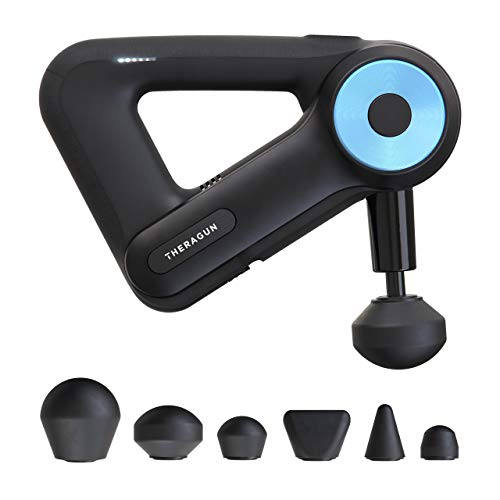
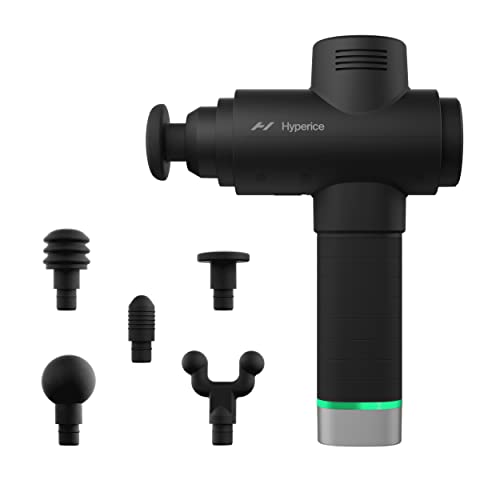
Attachments, or heads, shape the massage experience. Common attachments include a ball head for large muscle groups, a flat head for broad areas, a bullet head for deep trigger points, and a fork head for the spine or Achilles tendon. Some models come with 4 to 6 heads, while others offer only 2 or 3. Having a variety of heads allows you to target different areas effectively. Look for attachments that are easy to swap and made of durable materials.
Weight and Size
Weight and size affect portability and ease of use. A heavy massage gun can cause arm fatigue during extended sessions. Most guns weigh between 1 and 3 pounds. Lighter models, under 2 pounds, are easier to handle and travel with. However, heavier guns often have more powerful motors and higher stall force. Consider your strength and how long you plan to use the gun at a time. If you have limited mobility, a lighter model may be better.
Budget and Intended Use
Your budget and intended use should guide your final choice. For occasional use, a budget model with basic specs may suffice. For daily recovery or professional use, invest in a higher end gun with better stall force, amplitude, and battery life. Here are some general categories:
- Budget (under $100): Look for a stall force of 20 to 30 pounds, amplitude around 10 mm, 3 to 5 speeds, and a battery life of 2 to 3 hours.
- Mid range ($100 to $250): Expect stall force of 30 to 40 pounds, amplitude of 12 mm, 5 to 10 speeds, quieter operation, and longer battery life.
- Premium (over $250): These offer the highest stall force, up to 60 pounds, amplitude up to 16 mm, many speed settings, near silent motors, and long lasting batteries.
Always check the current price on Amazon to see what fits your budget. Read user reviews to learn about real world performance, especially regarding noise and durability. Remember that a more expensive gun is not always better for your needs. Focus on the specs that matter for your body and usage.
Final Tips for Choosing
Before you buy, consider these final points:
- Identify your primary use: deep tissue, recovery, or general relaxation.
- Measure your own strength and tolerance for pressure.
- Think about where you will use it: at home, in the gym, or while traveling.
- Check the warranty and customer support options.
- Compare multiple models side by side using the specs in this guide.
By understanding these key specifications, you can confidently select a massage gun that meets your needs and budget. Whether you are a weekend warrior or a professional athlete, the right tool makes a difference in your recovery routine.