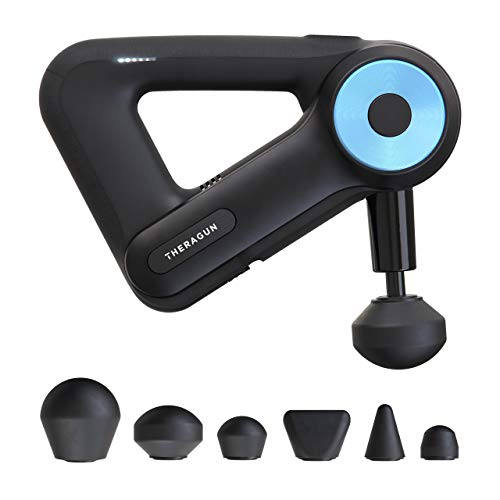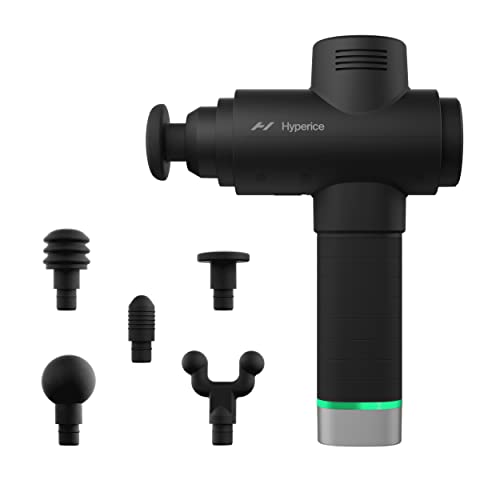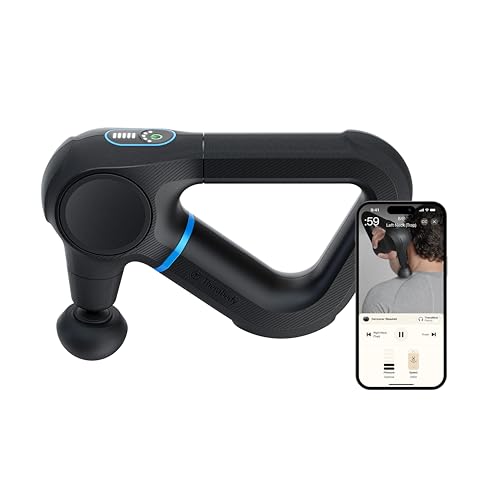
Massage gun pain usually comes from too much pressure, the wrong attachment, or hitting a sensitive area. Ease off, switch to a softer head, and move the gun constantly.
You bought a massage gun to relax tight muscles, but instead you feel sharp pain or bruising. You are not alone. Many users experience discomfort the first few times. The good news is that most causes are easy to fix. Our editorial team compared specifications, buyer feedback and key decision factors to help you understand why your massage gun hurts and how to use it safely.
Why Your Massage Gun Hurts
Massage guns deliver rapid percussive pulses deep into muscle tissue. When used correctly, they feel like a firm tap. When used incorrectly, they can cause pain, bruising, or even nerve irritation. Here are the most common reasons:
1. Too Much Pressure
You might think pressing harder gives a deeper massage. In reality, the gun already provides the force. Adding body weight pushes the head too deep, causing pain and potential tissue damage. Let the tool do the work. Glide it lightly over the muscle.
2. Wrong Attachment
Each attachment serves a purpose. A bullet head is for deep trigger points, but using it on a large muscle can feel like a sharp poke. A flat head is for general use. A fork head is for the spine area, but only on the muscles beside the spine. Using a ball head on bony areas can hurt.
3. Sensitive Areas
Some body parts are not meant for percussion therapy. The neck, front of the throat, armpit, inner thigh, and behind the knee have nerves and blood vessels close to the surface. Hitting these areas can cause sharp pain or tingling. Avoid them entirely.
4. Underlying Medical Conditions
If you have varicose veins, blood clots, herniated discs, or a recent injury, massage guns can aggravate the condition. Also, if you are pregnant or have a pacemaker, consult your doctor first. Pain can be a warning sign.
How to Fix Massage Gun Pain
Follow these steps to turn pain into relief:
- Start with the lowest speed setting. Increase gradually only if it feels comfortable.
- Use the right attachment. For large muscles like quads or glutes, use a flat or round head. For small areas like forearms, use a softer ball head.
- Apply only light pressure. Let the gun's weight do the work. If you feel pain, ease off.
- Keep the gun moving. Do not hold it in one spot for more than a few seconds. Glide slowly along the muscle fibers.
- Limit each muscle group to 1 to 2 minutes. Overuse can cause inflammation.
- Avoid bones, joints, and sensitive areas. Stick to fleshy muscle bellies.
- If you feel sharp pain, numbness, or tingling, stop immediately. That is a sign you are hitting a nerve or blood vessel.
When to Stop Using Your Massage Gun
Sometimes pain is a signal to stop. Do not push through it. Stop using the device if you experience:
- Sharp or shooting pain
- Numbness or tingling in the limb
- Bruising that appears within minutes
- Increased swelling or redness
- Dizziness or lightheadedness
Also, do not use a massage gun on open wounds, rashes, or areas with deep vein thrombosis. If you have a chronic condition like fibromyalgia or rheumatoid arthritis, ask your doctor before using one.
Best Practices for Safe Use
To get the most benefit without pain, follow these guidelines:
- Warm up your muscles with light activity before using the gun.
- Use the gun after a workout, not before, unless you are warming up for a specific movement.
- Hydrate well before and after. Percussion therapy can release toxins, so water helps flush them out.
- Use a thin towel over the skin if the direct contact feels too intense.
- Charge the battery fully. A low battery can cause inconsistent pulses, which may feel jerky and uncomfortable.
Frequently Asked Questions
Here are answers to common concerns from real buyers:
Can a massage gun damage muscles?
Yes, if used with excessive pressure, on the same spot for too long, or over a bone or nerve. Stick to 1 to 2 minutes per muscle group and use light pressure.
How long should I use a massage gun on one area?
Limit each muscle group to 1 to 2 minutes. Prolonged use can cause bruising or inflammation. Move the gun slowly across the muscle.
Should I use a massage gun on my neck?
Avoid the front and sides of the neck. Use only on the upper trapezius with the lowest speed and a soft attachment. Never press directly on the spine or carotid artery.
Final Thoughts
Massage guns are powerful tools, but they require respect. Pain is not a sign of effectiveness. It means you are doing something wrong. Adjust your technique, choose the right attachment, and listen to your body. If pain persists, stop and consult a professional. With proper use, you can enjoy the benefits of percussion therapy without the ouch.
Remember to check the current price on Amazon for the best massage gun models that come with multiple attachments and adjustable speed settings. A good massage gun should feel like a relief, not a punishment.