If you want more usable warmth from a wood or pellet stove without wiring, batteries, or a single watt of electricity, the VODA Wood Stove Fan is our top pick. Its eight blade head pushes a broad, steady stream of warm air across the room, and because it is heat powered it starts itself as the stove warms up and settles down again as the fire fades. It sits at the front of a strong lineup of heat activated fans, with sensible options here for larger rooms, low and slow fires, and first time buyers who just want something simple that works.
Our top picks: fireplace fans
A fireplace fan has one job: take the heat that is already pooling above and behind your stove and spread it out into the room where people actually sit. The fans in this guide are all heat powered, which means they run on the temperature difference between the hot stove surface and the cooler air above the blades. There is no plug, no cord, and no battery to replace. You set the fan on a flat spot on the stove top, the fire does the rest, and the fan speeds up or slows down in step with how hot the stove is.
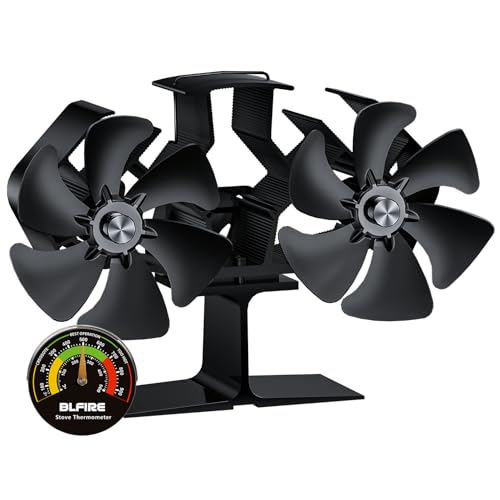
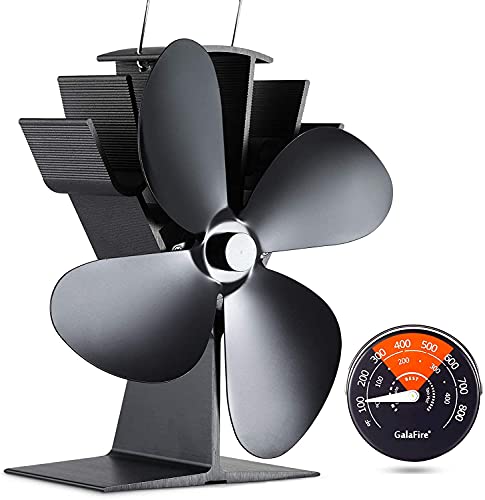
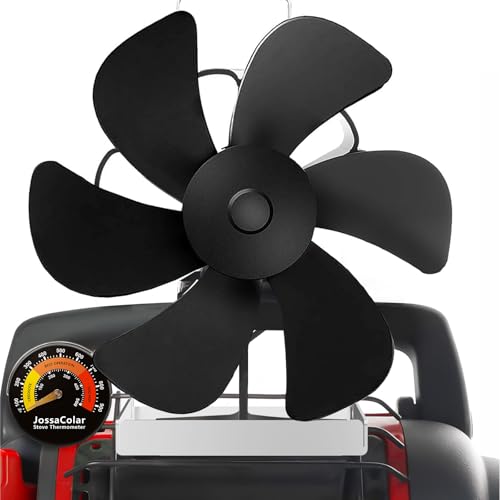
Across the six picks we settled on, the differences come down to blade count and airflow, how early the fan starts turning, how quiet it stays, and how it handles the heat without the motor giving out. The VODA leads for everyday whole room warmth thanks to its eight blade design. The BLFIRE uses a twin motor layout to move air further into bigger or more open rooms. The GALAFIRE is the one to reach for if your fire often burns low, because it is rated to begin spinning at a stove surface temperature near 122 degrees Fahrenheit and runs close to silent. The Miaton, JossaColar, and Tomersun round things out for people who want a dependable six blade build, flexibility with different heat sources, or a straightforward value choice. You can compare the full list in our home and kitchen guides.
How we evaluated these products
We want to be plain about how this roundup comes together. We build it by studying current Amazon listings for heat powered stove fans and comparing them on the facts each manufacturer actually publishes: blade count, motor layout, the stove surface temperatures they are designed for, listed materials, included accessories such as a magnetic stove thermometer, and the type of appliance each fan is meant to sit on. We have not physically tested every unit in a lab or on our own stoves, and we do not pretend to have. What we can do is read the specifications carefully, weigh them against how these fans are actually used, flag where a claim is vague, and group the picks so the right fan reaches the right reader.
Because every pick here is heat activated rather than electric, we paid particular attention to the published start temperature, the number of blades, and the materials used in the base and motor, since those are the details that separate a fan that quietly earns its place from one that struggles. Where a listing does not state a figure, we leave it out rather than guess. Ratings in this guide are our own editorial read of how well each fan fits its intended buyer, not a repost of store star counts.
What to look for in fireplace fans
Heat powered versus electric
There are two very different products that both get called fireplace fans. A heat powered stove fan, which is what every pick in this guide is, sits directly on a hot stove top and converts heat into motion. It needs a genuinely hot metal surface to work and does nothing on a cold stove. An electric fireplace blower is a wired fan kit that mounts inside or behind a gas or built in fireplace and plugs into the mains. If your heat source is a wood or pellet stove with an exposed hot top, a heat powered fan is the natural match. If you have a sealed gas insert that never gets its outer surface hot, a heat powered fan is the wrong tool and a blower kit made for that model is what you need instead.
Blade count and airflow
More blades and larger blades generally move more air, which is why the eight blade VODA leads for open rooms and the twin motor BLFIRE is built to throw air further. A four blade fan like the GALAFIRE moves a gentler stream, which is fine for a small snug room and often means quieter running. Think about the size of the space you are heating before you chase the highest blade count, because a big fan in a tiny room is simply overkill.
Temperature range
Heat powered fans only work inside a stove surface temperature window. They need the top to reach a minimum before the blades begin to turn, and most have an upper limit above which you risk damaging the motor, which is why a magnetic stove thermometer is bundled with so many of these fans. The GALAFIRE lists a start point near 122 degrees Fahrenheit, which is helpfully low if your fire often idles. For the others, follow the thermometer and the maker guidance rather than assuming, and keep the fan off the very hottest zone directly over the firebox.
Size and placement
Set the fan on a flat, stable part of the stove top, usually toward the back or a cooler corner, with the blades facing out into the room and clear of the flue pipe. A fan that is too tall for a stove tucked under a mantel may not fit, so check the height against your setup. Give it a little space so air can flow freely into the blades from behind.
Noise
A good heat powered fan should be close to silent, with only a faint whir at full speed. The GALAFIRE calls out silent operation directly, and in general fewer, well balanced blades tend to run quieter than a fan being pushed hard. If a fan rattles or hums loudly, it is usually sitting on an uneven spot or running hotter than it should.
The bottom line
For most people with a wood or pellet stove, the VODA Wood Stove Fan is the pick that balances strong airflow, a simple heat powered design, and genuine whole room reach. Choose the BLFIRE if your room is large or open, the GALAFIRE if your fire tends to burn low and you value near silent running, and the Miaton, JossaColar, or Tomersun if you want a solid six blade build, flexibility across heat sources, or the plain value option. Whatever you pick, remember these fans only earn their keep on a hot stove surface, so pair one with the included thermometer and let the fire do the work.