Reader-supported: we earn a commission on some links, at no extra cost to you. It never changes our picks. How this works
Baking SheetsGuide

How Do You Season a Baking Sheet?

Season a bare steel or aluminum baking sheet by coating it with a thin layer of high-smoke-point oil, then heating it in the oven. This polymerizes the oil into a nonstick patina. Avoid seasoning nonstick or silicone-coated sheets. Repeat after heavy use or rust spots appear.

Our top pick
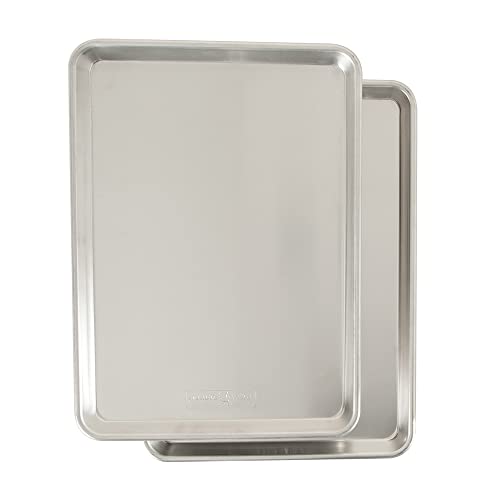
Nordic Ware Natural Aluminum Commercial Baker's Half Sheet
★★★★★ 4.7
Check price on Amazon
Read the full guide →

Season only bare metal baking sheets, not nonstick or coated ones.

  • Use a high-smoke-point oil like flaxseed, grapeseed, or canola.
  • Apply a thin oil layer and bake at 400-450°F for one hour.
  • Repeat seasoning 2-3 times for a durable nonstick patina.
  • Hand wash and dry immediately to maintain the seasoning.
  • Re-season when food sticks or rust appears.

What Does Seasoning a Baking Sheet Mean?

Seasoning builds a polymerized oil layer on bare metal. This layer makes the surface nonstick and protects against rust. It is the same process used for cast iron skillets. Only bare steel, aluminum, or carbon steel sheets benefit. Coated sheets like nonstick or ceramic do not need seasoning.

Which Baking Sheets Should You Season?

Season uncoated aluminum, steel, or carbon steel sheets. Check the product description for 'bare metal' or 'uncoated'. Avoid seasoning nonstick sheets, as it can damage the coating. Silicone or enameled sheets also should not be seasoned. If you are unsure, test a small corner first.

Step-by-Step: How to Season a Baking Sheet

Wash the sheet with hot soapy water and dry it completely. Apply a thin layer of oil like flaxseed, grapeseed, or canola. Use a paper towel to rub the oil over the entire surface, including edges. Wipe off excess oil; a very thin film is enough. Place the sheet upside down in an oven preheated to 400 to 450°F. Put a foil-lined pan on the rack below to catch drips. Bake for one hour, then let it cool in the oven. Repeat the process two or three times for a stronger patina.

Which Oil Should You Use for Seasoning?

Flaxseed oil creates a hard, durable coating but can flake if too thick. Grapeseed oil is a popular choice for its balance of smoke point and finish. Canola oil is cheap and works well. Avoid olive oil or butter; they burn and become sticky. Use oils with smoke points above 400°F for best results.

How to Maintain and Re-Season Your Baking Sheet

After each use, wash with warm water and a soft sponge. Avoid harsh detergents that strip the seasoning. Dry the sheet immediately to prevent rust. If rust spots appear, scrub them off and re-season the whole sheet. Re-season when food starts sticking or the surface looks dull. Store in a dry place to keep the patina intact.

Common questions

Can you season a nonstick baking sheet?

No, seasoning a nonstick sheet can damage the coating. The coating already provides nonstick properties. Seasoning may cause peeling or off-gassing. Use seasoning only on bare metal sheets.

What is the best oil to season a baking sheet?

Flaxseed oil gives a hard finish, but grapeseed oil is easier to apply. Canola oil is a budget-friendly option. All have high smoke points above 400°F. Avoid low-smoke-point oils like olive oil.

How long does seasoning a baking sheet take?

Each seasoning cycle takes about one hour in the oven. You may need to repeat it two or three times. Total time is roughly two to three hours, including cooling. The process is similar to seasoning cast iron.

Does seasoning a baking sheet make it nonstick?

Yes, a properly seasoned sheet becomes nonstick. The polymerized oil creates a smooth surface. Eggs and delicate fish slide off easily. However, it is not as nonstick as a commercial coating.

Why is my baking sheet rusting?

Rust forms when bare metal is exposed to moisture. This happens if the sheet is not dried after washing. It can also occur if the seasoning wears off. Scrub off rust and re-season the sheet.

Can you use a seasoned baking sheet in the dishwasher?

No, dishwasher detergents are too harsh. They strip the seasoning and cause rust. Always hand wash with mild soap. Dry immediately after washing.

How often should you re-season a baking sheet?

Re-season when food starts sticking or the surface looks dull. Heavy use may require monthly re-seasoning. Light use might need it only once a year. Watch for rust spots as a sign.

Is seasoning a baking sheet worth it?

Yes, for bare metal sheets, seasoning improves performance. It reduces sticking and prevents rust. The process takes time but extends the sheet's life. If you use parchment paper, seasoning may be unnecessary.

More in this topic

More in Baking Sheets

See the full guide →