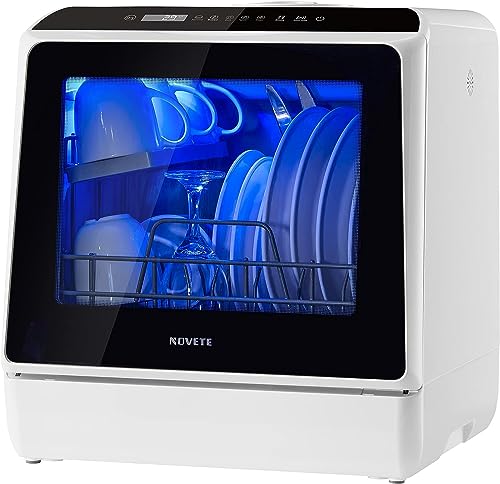
Clean the filter, spray arms, and gasket monthly to maintain performance.
- Use vinegar or a commercial cleaner for deep cleaning every few months.
- Prevent buildup by scraping dishes and leaving the door open to dry.
- Replace the unit if leaks or mechanical issues persist after cleaning.
Why does a countertop dishwasher get dirty?
Food particles, grease, and hard water minerals accumulate over time. Leftover moisture creates a breeding ground for mold and mildew. Detergent residue can build up on interior surfaces. Filters clog, reducing water pressure and cleaning performance. Spray arms get blocked by debris, leaving dishes dirty. Door gaskets trap grime, leading to leaks and odors. Regular cleaning prevents these issues and extends the machine's life.
How to clean a countertop dishwasher step by step
Unplug the dishwasher and remove all racks and utensils. Take out the filter and rinse it under warm water. Use a soft brush to remove stuck-on food particles. Wipe the spray arms with a damp cloth and clear any blocked holes. Mix a solution of equal parts water and white vinegar. Wipe down the interior walls, door, and gasket with the solution. For tough stains, sprinkle baking soda on a damp sponge and scrub gently. Rinse all parts and let them air dry completely. Reassemble the filter and racks. Run an empty cycle with a cup of vinegar placed on the top rack. Use a dishwasher cleaner tablet for deep cleaning every few months.
How to prevent buildup and odors in a countertop dishwasher
Scrape off large food scraps before loading dishes. Rinse dishes lightly if they will sit for a while. Run the dishwasher regularly to prevent stagnant water. Leave the door open after a cycle to let moisture escape. Clean the filter every two weeks if you use the dishwasher daily. Wipe down the door gasket weekly with a damp cloth. Use a rinse aid to reduce mineral deposits. Check the water hardness level and adjust the detergent amount accordingly. Avoid using too much detergent, which leaves residue. Run a maintenance cycle with vinegar or a cleaner once a month.
When should you replace or call a professional?
Persistent odors or poor cleaning after thorough cleaning may indicate a deeper issue. If the dishwasher leaks even after cleaning the gasket, the seal may be worn. A cracked interior or broken spray arm requires replacement. If the machine makes unusual noises or fails to drain, consult a technician. Check the warranty before attempting repairs. Some issues, like a faulty pump or motor, are not DIY-friendly. Compare the cost of repairs against a new countertop dishwasher. If the unit is over five years old, replacement is often more economical. Always consult the manual for specific troubleshooting steps.