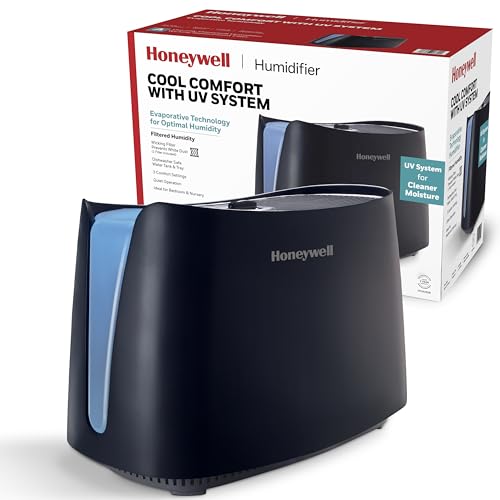
Our editorial team compared specifications, buyer feedback and key decision factors to bring you this comprehensive guide on cleaning humidifiers. Regular cleaning is essential to prevent mold and bacteria from being released into the air. This guide covers recommended frequency, cleaning solutions like vinegar and hydrogen peroxide, and step-by-step instructions for different humidifier types.
Why Clean Your Humidifier
Humidifiers add moisture to the air, but standing water and warm environments create ideal breeding grounds for mold, bacteria, and mineral deposits. Without proper cleaning, these contaminants can be dispersed into your home, potentially causing respiratory issues or worsening allergies. For example, a dirty humidifier can release mold spores that trigger asthma attacks or sinus infections. Mineral deposits, often called white dust, can settle on furniture and be inhaled. Cleaning your humidifier regularly ensures it operates efficiently and maintains healthy indoor air quality. It also extends the lifespan of the unit, saving you money on replacements.
Cleaning Frequency by Type
The cleaning schedule depends on the type of humidifier and how often you use it. Here are general guidelines:
- Cool mist humidifiers (evaporative or impeller): Clean every 3 days if used daily. Deep clean weekly. These units have a fan and wick that can harbor mold quickly.
- Warm mist humidifiers (steam vaporizers): Clean weekly. The boiling water reduces some bacteria, but mineral buildup still occurs on the heating element. Descaling monthly is recommended.
- Ultrasonic humidifiers: Clean every 3 days. These produce fine mist that can carry minerals and microbes. The transducer is sensitive to scale.
- Whole-house humidifiers: Clean monthly and replace filters as recommended by the manufacturer. These are integrated into HVAC systems and require professional maintenance occasionally.
Always empty and dry the water tank when not in use to prevent stagnant water. If you use the humidifier only occasionally, empty it after each use.
General Cleaning Steps
Follow these steps for all humidifier types. Always unplug the unit before cleaning.
- Disassemble the humidifier: Remove the water tank, cap, mist nozzle, and any filters or cartridges. Refer to the manual if needed.
- Empty any remaining water and rinse parts with fresh water to remove loose debris.
- Prepare a cleaning solution: Mix equal parts white vinegar and water (for mineral deposits) or use 3% hydrogen peroxide (for mold and bacteria). For stubborn buildup, use undiluted vinegar. For heavy mold, hydrogen peroxide is more effective.
- Fill the tank with the solution and let it sit for 15-30 minutes. Swish it around to coat all surfaces. For a tank with narrow openings, use a bottle brush to scrub.
- For the base, pour solution into the reservoir and let it sit. Use a soft brush or toothbrush to scrub accessible areas, especially around the water outlet and sensor.
- Rinse all parts thoroughly with clean water until no vinegar or peroxide smell remains. Multiple rinses may be necessary.
- Wipe the exterior with a damp cloth. Dry all parts completely before reassembling to prevent mold growth.
- Replace filters or cartridges if they are dirty or have exceeded their lifespan. A dirty filter cannot be cleaned effectively.
Type-Specific Instructions
Cool Mist Humidifiers (Evaporative)
These use a wicking filter. Do not soak the filter in vinegar as it may damage it. Instead, replace the filter according to the manufacturer's schedule, typically every 1-2 months. Clean the water tank and base as described above. For the fan area, use a soft brush or compressed air to remove dust. Avoid getting water on the motor.
Warm Mist Humidifiers
These heat water to create steam. Mineral deposits often form on the heating element. To descale, fill the tank with a vinegar-water solution and run the unit for about an hour (outdoors or in a ventilated area) to loosen deposits. Then rinse thoroughly. Never submerge the electrical base in water; wipe it with a damp cloth. Clean the steam chimney with a small brush.
Ultrasonic Humidifiers
These use a vibrating diaphragm. Mineral deposits can build up on the transducer. Clean the transducer gently with a soft brush dipped in vinegar. Avoid scratching it. Some models have a demineralization cartridge that should be replaced regularly, usually every 2-3 months. Also clean the water tank and base as general steps.
Preventing Mold and Bacteria
In addition to regular cleaning, follow these tips to keep your humidifier hygienic:
- Use distilled or demineralized water to reduce mineral buildup and microbial growth. Tap water contains chlorine and minerals that feed bacteria.
- Change water daily to prevent stagnation. Stagnant water is a breeding ground for microbes.
- Empty and dry the tank and base when not in use. Even a thin film of moisture can support mold.
- Replace filters and cartridges as recommended. Old filters become saturated with minerals and microbes.
- Clean the humidifier before storing it for the season, and store it in a dry place. Disassemble and dry all parts thoroughly.
- Consider using a humidifier cleaner additive, but check the manufacturer's guidelines first. Some additives can damage the unit.
- Monitor humidity levels with a hygrometer; keep indoor humidity between 30-50% to discourage mold growth. High humidity promotes mold on walls and windows.
Common Mistakes to Avoid
Even with good intentions, some cleaning practices can harm your humidifier or reduce its effectiveness. Avoid these common mistakes:
- Using abrasive cleaners or scrubbers: These can scratch plastic surfaces, creating crevices where bacteria hide. Use soft cloths or brushes.
- Neglecting to rinse thoroughly: Residual vinegar or hydrogen peroxide can be released into the air. Rinse until no smell remains.
- Forgetting to clean the water tank cap and seals: These areas often trap moisture and mold. Remove and clean them separately.
- Running the humidifier with dirty water: Always use fresh water. Refilling without cleaning allows bacteria to multiply.
- Ignoring the owner's manual: Each model has specific cleaning instructions. Following them ensures warranty validity and optimal performance.
By following these cleaning and prevention steps, you can enjoy the benefits of a humidifier without the risks of airborne contaminants. Check the current price on Amazon for cleaning supplies and replacement filters.