Reader-supported: we earn a commission on some links, at no extra cost to you. It never changes our picks. How this works
Baking SheetsProblem / fix

How to Clean Baking Sheets with Baking Soda and Vinegar

Sprinkle baking soda over the sheet, spray with vinegar, and let it fizz. Scrub with a non-abrasive sponge, then rinse. For stubborn spots, make a paste and soak overnight. This lifts grease without harsh chemicals.

Our top pick
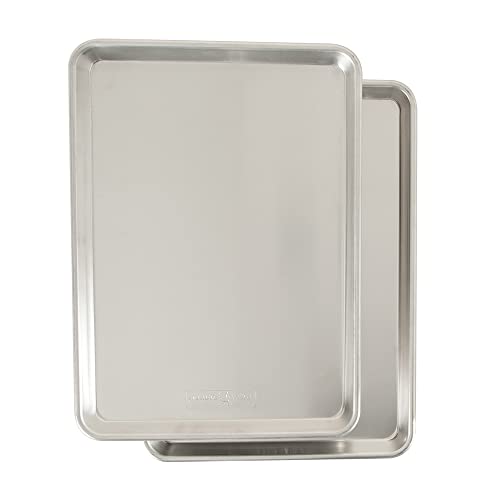
Nordic Ware Natural Aluminum Commercial Baker's Half Sheet
★★★★★ 4.7
Check price on Amazon
Read the full guide →

Baking soda and vinegar create a fizzing reaction that lifts burnt-on grease without harsh chemicals.

  • Let the mixture sit for at least 15 minutes, or overnight for stubborn spots, to soften residue.
  • Prevent buildup by lining sheets with parchment or silicone mats and wiping after each use.
  • Replace baking sheets if they are warped, deeply rusted, or have peeling non-stick coatings.

Why do baking sheets get so dirty?

Baking sheets accumulate burnt-on grease and food residue from high-heat cooking. Oils polymerize when heated, forming a hard, sticky film. Sugars caramelize and stick to the surface. Over time, these layers bake on and become harder to remove. Acidic foods, like tomato sauce, can also etch the metal. Using metal utensils scratches the surface, giving residue more places to cling.

How to clean baking sheets with baking soda and vinegar

First, remove loose debris with a paper towel or spatula. Sprinkle a generous layer of baking soda over the entire sheet. Spray white vinegar over the baking soda until it fizzes. Let the mixture sit for 15 to 30 minutes. For heavy buildup, make a paste of 3 parts baking soda to 1 part water or vinegar. Spread the paste over the sheet and let it sit for several hours or overnight. Scrub with a non-abrasive sponge or nylon brush in circular motions. Rinse thoroughly with warm water and dry immediately. For stubborn spots, repeat the process or add a little dish soap. Avoid using steel wool, as it can scratch the surface.

How to prevent baking sheet buildup

Line your baking sheets with parchment paper or a silicone mat. This catches drips and prevents direct contact with food. Wipe the sheet with a paper towel after each use to remove excess oil. Wash with warm soapy water and a soft sponge. Avoid using cooking sprays, as they leave a sticky residue that bakes on. Instead, brush on oil or use parchment. Store sheets upright or with a cloth between them to prevent scratching.

When to replace your baking sheets

If your baking sheet is warped, it may not heat evenly, causing burnt spots. Deep rust or pitting can harbor bacteria and affect food quality. Non-stick coatings that are peeling or flaking should be replaced. If the sheet has a strong odor that persists after cleaning, it may be time for a new one. Most baking sheets last several years with proper care. Heavy gauge aluminum or steel sheets are more durable and less likely to warp.

Common questions

Can I use baking soda and vinegar on non-stick baking sheets?

Yes, but be gentle. Non-stick coatings are delicate. Use a soft sponge and avoid abrasive scrubbing. The fizzing action helps lift grime without scratching.

How long should I let baking soda and vinegar sit?

For light residue, 15 to 30 minutes is enough. For burnt-on messes, let a paste sit for several hours or overnight. The longer it sits, the easier it is to scrub off.

Does baking soda and vinegar damage aluminum baking sheets?

Vinegar is acidic and can discolor aluminum if left too long. Use the paste method sparingly and rinse immediately. For aluminum, consider using cream of tartar instead.

What if the baking soda and vinegar doesn't work?

For stubborn spots, make a paste with baking soda and hydrogen peroxide. Apply it and let it sit for an hour. Alternatively, use a commercial oven cleaner, but test on a small area first.

Can I put my baking sheet in the dishwasher?

Dishwasher detergents can be abrasive and cause discoloration or rust. Hand washing is gentler and helps preserve the sheet's surface. Check the manufacturer's instructions.

Is it safe to use baking soda and vinegar on baking sheets?

Yes, both are food-safe and non-toxic. Rinse thoroughly to remove any residue. This method is a safer alternative to harsh chemical cleaners.

How often should I clean my baking sheets?

Clean after every use to prevent buildup. A quick wipe with soapy water is usually enough. Deep clean with baking soda and vinegar once a month or when residue appears.

Can I use baking soda and vinegar on cookie sheets with rust?

Rust requires different treatment. Scrub off loose rust with steel wool, then wash and dry. Season the sheet with a thin layer of oil. Vinegar may worsen rust, so avoid it on rusted areas.

More in this topic

More in Baking Sheets

See the full guide →