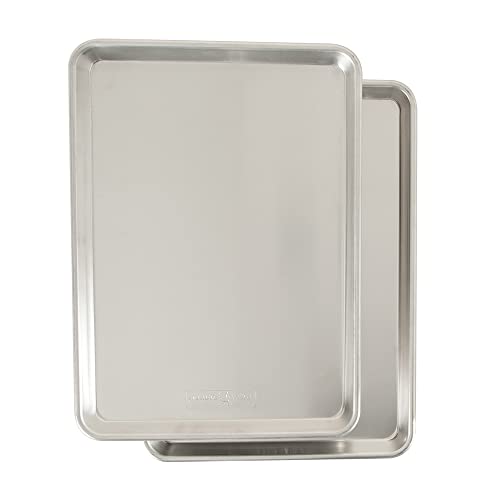
Soak burnt sheets in hot water and baking soda to loosen residue.
- Use a paste of baking soda and hydrogen peroxide for stubborn spots.
- Line sheets with parchment or silicone to prevent burning and sticking.
- Replace sheets that are warped, rusted, or have peeling non-stick coating.
Why do baking sheets burn and stick?
Baking sheets burn when food residue and oils are heated beyond their smoke point. Sugars and fats caramelize and then carbonize, creating dark, stubborn stains. Using high heat without a liner or parchment paper accelerates this process. Also, washing with harsh abrasives can scratch the surface, making it easier for food to stick and burn. Even non-stick coatings degrade over time, losing their protective layer.
How do you clean a burnt baking sheet?
Start by sprinkling a generous layer of baking soda over the burnt areas. Pour white vinegar over it and let the mixture fizz for a few minutes. Then, scrub with a non-abrasive sponge or nylon brush. For heavy buildup, create a paste of baking soda and water, apply it, and let it sit for 15-20 minutes. Alternatively, use a commercial oven cleaner according to the label, but wear gloves and work in a ventilated area. Rinse thoroughly with hot water and dry immediately to prevent rust.
What are the best natural methods for burnt sheets?
Baking soda and vinegar are the most effective natural duo. The chemical reaction helps lift burnt residue. Another method involves covering the sheet with a damp cloth and baking soda, then leaving it overnight. For aluminum sheets, a paste of cream of tartar and lemon juice can brighten the surface. Hydrogen peroxide mixed with baking soda forms a powerful paste for tough spots. Always test a small area first to avoid damaging the finish.
How can you prevent baking sheets from burning?
Always line your baking sheet with parchment paper, a silicone mat, or aluminum foil. These barriers catch drips and prevent direct contact with the metal. Avoid overheating empty sheets, as that can warp or discolor them. Use the recommended oven temperature for your recipe and position the rack in the center. After each use, wash the sheet with warm soapy water and a soft sponge, then dry it completely. Store sheets upright to prevent scratches.
When should you replace a burnt baking sheet?
Replace a baking sheet if it is deeply warped, has rust that won't scrub off, or shows signs of peeling non-stick coating. These issues can affect baking performance and may even flake into food. If the sheet has burnt-on residue that resists all cleaning methods, it may be time for a new one. Also, if the metal has become very thin or has sharp edges, it's unsafe to use. Most quality sheets last several years with proper care.