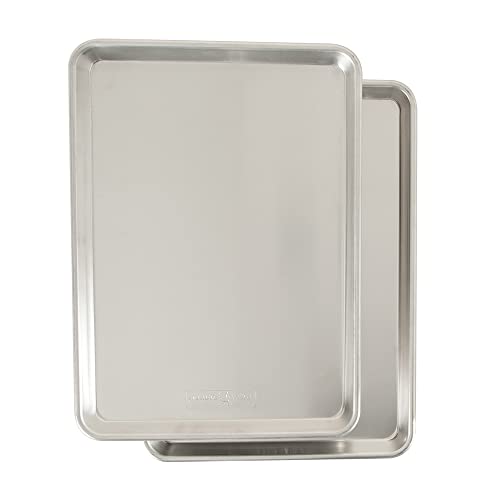
Make a paste of baking soda and water, spread it over burnt areas, let sit for 15 minutes, then scrub gently with a non-abrasive sponge. For stubborn residue, add hydrogen peroxide or use the dishwasher method.
Why burnt food sticks so stubbornly
When food overheats, sugars and proteins carbonize and bond to the sheet's surface. High heat creates a polymerized layer similar to seasoning on cast iron. This is why simple soap and water often fail. The longer the residue sits, the harder it becomes. Our editorial team compared specifications, buyer feedback and key decision factors to find the safest and most effective cleaning methods for different sheet materials. For example, a sheet left with burnt cheese for a week will require more effort than one cleaned immediately. The carbonized layer can also trap odors and affect future baking. Understanding the chemistry helps you choose the right approach: baking soda is mildly alkaline and reacts with acids to lift residue, while hydrogen peroxide oxidizes carbon bonds.
How to fix burnt-on residue (step by step)
- Baking soda paste method (best for all materials). Mix 3 parts baking soda with 1 part water to form a thick paste. Spread over burnt areas and let sit for 15-30 minutes. Scrub gently with a non-abrasive sponge or soft brush. Rinse thoroughly. For extra stubborn spots, sprinkle dry baking soda on the paste and scrub with a damp sponge. This method is safe for nonstick, aluminum, and stainless steel. A typical baking soda box costs under $2 and lasts for many cleanings.
- Hydrogen peroxide boost (for tough carbon). After applying baking soda paste, spray or drizzle 3% hydrogen peroxide over it. It will fizz and help lift burnt residue. Let sit for 10 minutes, then scrub. This works well on aluminum and stainless steel but avoid prolonged contact on nonstick surfaces. Hydrogen peroxide is available at any drugstore for about $1.50 per bottle. Use it sparingly to avoid damaging the sheet's finish.
- Dishwasher method (for nonstick and steel). Place the sheet in the dishwasher with a heavy-duty cycle and a dishwasher detergent pod. Avoid using rinse aid as it can leave a film. For aluminum sheets, this method may cause oxidation (darkening) but is safe for occasional use. Run a cycle and check results; repeat if needed. This method is hands-off and effective for light to moderate residue. However, it may not remove heavy carbon completely.
- Dish soap soak (gentle first step). Fill the sink with hot water and a few drops of dish soap. Submerge the sheet for 30 minutes to loosen residue. Then scrub with a non-abrasive pad. This works best for lightly burnt sheets. Adding a tablespoon of baking soda to the water can boost its cleaning power. For example, a sheet with a thin layer of burnt oil may come clean with just this soak.
- Vinegar and baking soda combination. Sprinkle baking soda over the burnt area, then spray white vinegar until it foams. Let sit for 10-15 minutes, then scrub. The acid helps dissolve mineral deposits but may not fully remove heavy carbon. This method is best for sheets with both burnt food and hard water stains. Use it on stainless steel or aluminum, but avoid on nonstick as the acid can degrade the coating over time.
Tips for different materials
Nonstick baking sheets
Avoid all abrasive cleaners, steel wool, and metal scrapers. The coating is delicate and scratches easily. Stick to baking soda paste or the dishwasher method. Never use cooking sprays as they can leave a sticky residue that burns on later. If the nonstick coating is peeling or flaking, replace the sheet. Nonstick sheets typically last 3-5 years with proper care. For daily use, line with parchment paper to extend the coating's life.
Aluminum baking sheets
Aluminum can darken or pit if exposed to harsh chemicals or high heat. Use baking soda paste or hydrogen peroxide sparingly. Avoid bleach and dishwasher detergent with high alkalinity, as they can cause discoloration. For stubborn burnt spots, a paste of cream of tartar and water can help restore shine. Aluminum sheets are lightweight and conduct heat well, but they are prone to warping under extreme temperature changes. Let them cool naturally before cleaning to avoid warping.
Stainless steel baking sheets
Stainless steel is durable and can tolerate more aggressive cleaning. Baking soda paste, hydrogen peroxide, and even a mild abrasive like Bar Keepers Friend (used gently) are safe. Avoid chlorine bleach and prolonged soaking in salt water, which can cause pitting. Always dry immediately to prevent water spots. Stainless steel sheets are often heavier and more resistant to warping. They can last a lifetime if maintained properly. For burnt-on grease, a paste of baking soda and dish soap can be effective.
When to replace a baking sheet
If cleaning methods fail to remove burnt residue, or if the sheet is warped, rusted, or has peeling nonstick coating, it's time for a new one. Deep scratches can harbor bacteria and cause uneven baking. Warped sheets don't conduct heat evenly, leading to poor results. Check the current price on Amazon for a replacement that matches your cooking needs. A good quality baking sheet costs between $15 and $40. Investing in a heavy-gauge sheet with rolled edges can prevent warping and last longer.
Common mistakes to avoid
One common mistake is using too much heat when cleaning, such as putting a burnt sheet in a self-cleaning oven. This can ruin the sheet and create toxic fumes. Another mistake is using metal utensils to scrape off residue, which scratches the surface. Always let the sheet cool completely before cleaning to avoid thermal shock. Finally, avoid stacking sheets without protection, as this can cause scratches. Use felt pads or paper towels between sheets when storing.