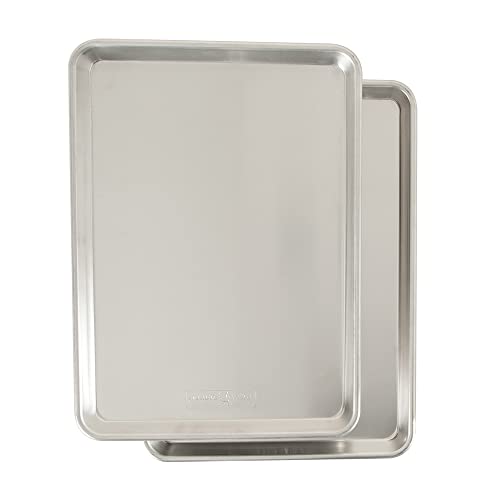
Warping happens from thermal shock; avoid sudden temperature changes.
- Fix minor warps with gentle heat and pressure.
- Replace severely warped sheets for even baking.
Why Does a Baking Sheet Warp?
Baking sheets warp due to sudden temperature changes. Thermal shock occurs when a cold pan hits a hot oven. Uneven heating causes the metal to expand and contract at different rates. Thin sheets warp more easily than thick ones. Aluminum and steel react differently to heat. Overheating an empty pan can also cause warping.
How to Fix a Warped Baking Sheet: Step-by-Step
First, preheat your oven to 200°F. Place the warped sheet upside down on a flat, heat-safe surface. Cover the bottom with a damp cloth. Put a heavy cast-iron skillet on top to apply pressure. Heat the assembly for 5 minutes. Turn off the oven and let it cool completely. Remove the skillet and cloth. Check if the sheet lies flat. Repeat if needed, but avoid overheating.
How to Prevent Baking Sheets from Warping
Let the sheet cool to room temperature before washing. Never plunge a hot pan into cold water. Use a sheet with a thicker gauge, like 18-gauge steel. Avoid broiling with an empty pan. Preheat the oven with the pan inside if you need it hot. Use parchment paper to reduce direct heat spots. Store sheets flat, not stacked with heavy items on top.
When to Replace a Warped Baking Sheet
If the sheet rocks on a flat surface, it may not bake evenly. Severe warping can cause spills and burnt edges. Check for cracks or rust, which indicate structural damage. If the warp is over 1/4 inch, replacement is safer. Look for sheets with reinforced rims or a thicker base. A good sheet lasts years if handled gently.
Is It Worth Fixing vs. Buying New?
Fixing a slightly warped sheet is cost-effective. But if the warp is severe, replacement is simpler. New quality sheets cost more but perform better. Consider how often you bake. For occasional bakers, a fix may suffice. For daily use, invest in a heavy-duty sheet. Compare prices and durability before deciding.