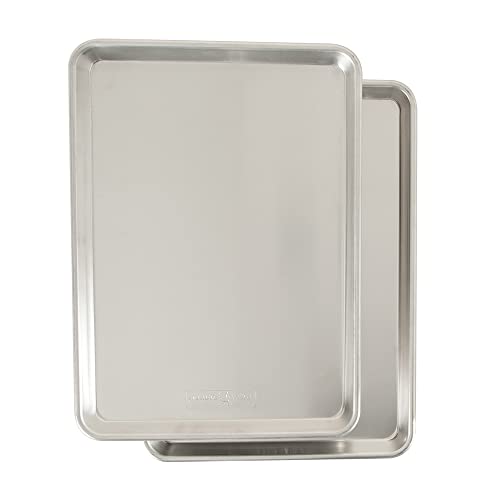
Soak burnt sheets in hot water with baking soda to loosen residue.
- Use parchment paper or silicone mats to prevent future burns.
- Replace sheets that are warped, rusted, or have peeling non-stick coating.
Why do baking sheets burn?
Burnt baking sheets happen from high heat, sugary spills, and grease buildup. Cooking at temperatures above 400°F can cause food residue to carbonize. Acidic ingredients like tomato sauce can react with the metal, leaving dark stains. Over time, oil polymerizes into a sticky layer that burns. Also, using metal utensils scratches the surface, making it easier for food to stick and burn.
How to fix burnt baking sheets step by step
Start by scraping off loose food with a plastic scraper. Fill the sheet with hot water and add a few drops of dish soap. Sprinkle baking soda over the burnt areas and let it soak for 30 minutes. Scrub with a non-abrasive sponge or nylon brush. For stubborn spots, make a paste of baking soda and water, apply it, and let it sit overnight. Rinse and dry completely. If stains remain, try a commercial oven cleaner, but follow the label instructions carefully.
How to prevent burnt baking sheets
Use parchment paper or a silicone baking mat to create a barrier. Avoid cooking at temperatures above 425°F unless necessary. Clean the sheet after each use with warm soapy water. Dry it thoroughly to prevent rust. Do not use metal utensils that scratch the surface. Store sheets with a paper towel between them to absorb moisture.
When to replace a burnt baking sheet
Replace a sheet if it is warped, rusted, or has deep scratches. Warping causes uneven baking and hot spots. Rust can flake into food, which is unhealthy. Deep scratches harbor bacteria and make cleaning harder. If the sheet is non-stick and the coating is peeling, discard it. According to the USDA, damaged non-stick coatings can release harmful fumes at high heat.
Is it safe to use a burnt baking sheet?
Using a burnt sheet is generally safe if you clean it thoroughly. Burnt residue can affect the taste of food. It may also smoke and create unpleasant odors. Some coatings can degrade with excessive heat, so check for peeling. If you see rust or flaking, stop using it. When in doubt, replace it.