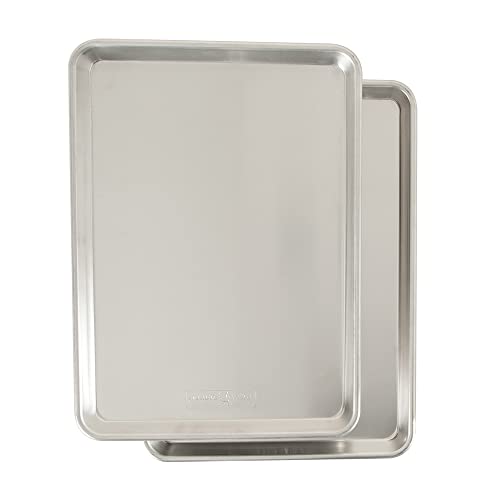
Aluminum foil is safe for most baking tasks, but avoid acidic foods and broiling.
- Use foil shiny side down and avoid overhang to prevent burning.
- Consider parchment paper or silicone mats for non-stick and acid-safe alternatives.
What Are the Safety Concerns with Aluminum Foil on Baking Sheets?
Aluminum foil is a common kitchen staple, but safety questions persist. The main concern is aluminum leaching into food, especially with acidic ingredients like tomatoes or citrus. Research shows that leaching increases with higher temperatures and longer cooking times. However, typical baking at 350°F to 450°F results in minimal transfer. The FDA considers aluminum foil safe for food contact in normal use. Still, people with kidney disease or aluminum sensitivity may want to limit exposure. For most healthy individuals, occasional use poses negligible risk.
How Does Aluminum Foil Affect Baking Performance?
Foil can improve heat distribution and ease cleanup. It reflects heat, which can lead to faster browning on the bottom of baked goods. This is beneficial for cookies or pizza but may cause over-browning for delicate pastries. Foil also creates a barrier that prevents food from sticking, but it can trap steam if sealed tightly. For crisp results, leave edges open. Avoid using foil on baking sheets with non-stick coatings, as it can scratch the surface. Owners report that foil works best for roasting vegetables or catching drips.
What Are the Best Practices for Using Foil on Baking Sheets?
Start by using a single sheet that fits the pan without overhang. Overhanging foil can touch oven racks and cause burning. Place the shiny side down; the dull side is less reflective and promotes even cooking. For acidic foods, consider using parchment paper instead. If you must use foil, add a layer of parchment between the foil and food. Never use foil to line the bottom of an oven, as it can damage heating elements. Always preheat the oven before placing the sheet to avoid thermal shock.
When Should You Avoid Using Aluminum Foil on Baking Sheets?
Avoid foil when baking foods high in acid, like tomato-based dishes or marinated meats. Acid reacts with aluminum, causing discoloration and a metallic taste. Also, skip foil for broiling, as temperatures above 500°F can cause foil to melt or ignite. Do not use foil with metal utensils that can scratch and release particles. For people with aluminum allergies, even minimal contact may cause skin irritation. If you're baking a cake or bread that needs even browning, foil can block heat and create soggy spots.
What Are the Alternatives to Aluminum Foil for Baking Sheets?
Parchment paper is a top alternative for non-stick, heat-safe baking. It withstands temperatures up to 425°F and is disposable or compostable. Silicone baking mats are reusable and provide a non-stick surface for cookies and pastries. They handle temperatures up to 480°F and are easy to clean. For roasting, a bare metal sheet with a light oil spray works well. Glass or ceramic baking dishes are also safe for most recipes. Each option has trade-offs in cost, convenience, and environmental impact.