Microwaves
44 posts in this topic
An honest editorial overview of the Toshiba Large Countertop Microwave Oven with Smart Sensor, a 2.2 cubic foot, 1200 watt countertop model, based on its current Amazon listing.
A research-stage overview of the Toshiba 0.9 cubic foot, 900 watt countertop microwave, a compact pick for apartments, dorms, and small kitchens.
No, you should not put most metal in a microwave. Thin metal like foil or fork tines can spark and start a fire. Some microwaves have metal racks or turntables, but those are designed for safe use. Always check the manual and avoid loose metal objects.
The best microwave oven for most people in 2024 is the Toshiba EM131A5C, a 1.2 cu ft countertop model with 1100 watts, sensor cooking, and a stainless steel interior. It balances performance, capacity, and price. For larger families, consider the Panasonic NN-SN966S with inverter technology. Budget buyers can rely on the BLACK+DECKER EM720CB7.
The best microwave for most people in 2024 is the Toshiba EM131A5C. It delivers 1.2 cubic feet of capacity and 1100 watts. Sensor cooking and a stainless exterior add value. For tight budgets, the BLACK+DECKER EM720CB7 performs well.
Most homes do best with a 1000W microwave. It heats food evenly and quickly without overloading circuits. Lower wattages work for simple tasks, but they cook slower. Higher wattages suit large families or heavy use. Match wattage to your cooking habits, not just price.
For most homes, 1000 watts is the sweet spot. It heats leftovers evenly and boils water quickly. 700 to 900 watts works for light reheating but cooks slower. 1200 watts suits large families or frequent cooking. Match wattage to your cooking habits, not just price.
The best microwave for most people is the Toshiba EM131A5C. It has 1.2 cubic feet of space and 1100 watts of power. Its sensor cooking and easy-clean interior make it a solid all-rounder. For smaller kitchens, the Panasonic NN-SN966S offers better even heating with inverter tech.
For most homes, a countertop microwave with 1000 to 1200 watts and 1.5 to 2.2 cubic feet offers the best balance of power, capacity, and price. Over-the-range units save counter space but cost more. Drawer models suit accessible designs. Choose based on your cooking habits and kitchen layout.
You cannot put metal, aluminum foil, certain plastics, paper bags, Styrofoam, or sealed containers in a microwave. These items can cause sparks, fires, or toxic chemical release. Also avoid whole eggs and chili peppers, which can explode. Always use microwave-safe glass, ceramic, or labeled plastic.
Yes, but only if the container is labeled microwave-safe. Most styrofoam, or expanded polystyrene foam, can melt or release chemicals when heated. Check for a microwave-safe symbol or recycling number 6. When in doubt, transfer food to glass or ceramic before microwaving.
The best microwave depends on your kitchen space and cooking habits. For most households, a 1.1 cubic foot countertop model with 1000 watts offers the best balance. The Toshiba EM131A5C is a reliable pick. It has sensor cooking and a stainless steel interior. For over-the-range needs, consider the GE JVM6175.
A microwave oven uses magnetron-generated microwaves to heat water molecules in food. These waves penetrate food and cause water molecules to vibrate, creating friction that produces heat. The turntable ensures even heating. The metal cavity reflects waves, and the door blocks them from escaping.
Yes, but only if the container is labeled microwave-safe. That label means it passed FDA tests for heat and chemical stability. Avoid plastics not marked safe, especially for hot or oily foods. Check the bottom for the microwave-safe symbol or number. When in doubt, use glass or ceramic.
The best microwave for 2024 depends on your space and cooking habits. For most homes, a 1.0 to 1.2 cubic foot countertop model with 1000 watts offers the best balance. Consider the Panasonic NN-SN966S for even heating and sensor cooking. If you need to save counter space, an over-the-range model like the GE JVM6175 is a solid choice. For built-in convenience, a drawer microwave from Sharp or KitchenAid works well.
The best microwave oven for most households is a countertop model with 1.0 to 1.2 cubic feet of capacity and 900 to 1,200 watts of power. It heats evenly, fits standard cabinets, and costs less than built-in options. Choose a model with sensor cooking and inverter technology for better results. For tight spaces, consider a compact 0.7 cubic foot unit. Over-the-range models suit kitchens needing ventilation, while drawer microwaves offer accessibility.
The best microwave oven for most households is the Toshiba EM131A5C. It offers 1.2 cubic feet of space and 1100 watts of power. Its sensor cooking and easy-clean interior make it a reliable all-rounder. For smaller kitchens or budgets, consider the BLACK+DECKER EM720CB7.
Yes, you can microwave plain white paper plates, but not all are safe. Coated, printed, or recycled plates may contain materials that can melt, catch fire, or leach chemicals. Always check for a microwave-safe label. When in doubt, transfer food to a glass or ceramic dish.
The best microwave for most people is the Toshiba EM131A5C. It offers 1.2 cubic feet, 1100 watts, and sensor cooking at a budget-friendly price. For over-the-range needs, the GE JVM6175 is a reliable choice. Consider your space and cooking habits first.
A microwave oven uses a magnetron to generate microwave radiation, which excites water molecules in food. This vibration creates heat through friction, cooking food from the outside in. The metal cavity reflects waves to ensure even heating. It's fast, efficient, and safe when used properly.

Choosing a microwave means balancing power, size, and features. We compared specifications and owner feedback across dozens of models. Our picks suit different kitchens and cooking habits.
Choosing a microwave involves more than just picking the cheapest option. You need to consider size, power, and how you cook.
Choosing a microwave is about matching size and power to your kitchen and cooking style. Countertop models dominate, but over-the-range and compact units serve specific spaces. We compared specifications like wattage, capacity, and dimensions, plus owner feedback on reliability and ease of use.
Microwaves are a kitchen staple, but choosing one can be tricky. Models vary widely in size, power, and features, so it's easy to overpay or end up with a unit that's too small.

A charming countertop microwave that brings mid-century style to your kitchen, but is it more than just a pretty face? We break down performance, usability, and value.

A detailed review of the Toshiba ML2-EM31PA microwave oven, covering design, performance, ease of use, cleaning, common complaints, and comparisons with alternatives.

An honest look at the Amazon Basics Microwave: who it is for, real specs, performance, ease of use, cleaning, value, pros and cons, and how it compares to close alternatives.

A stylish countertop microwave that blends vintage charm with practical performance. We break down who it suits, how it cooks, and what owners really think.
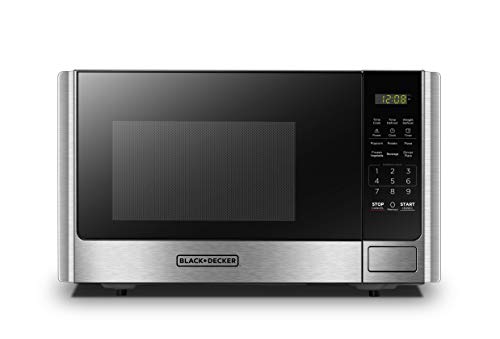
A compact, budget-friendly microwave that fits small kitchens and dorm rooms. We break down its real specs, performance, and who should buy it.

An honest look at the Farberware Classic microwave: who it's for, real specs, performance, ease of use, cleaning, pros and cons, and how it stacks up against alternatives.

The Breville Combi Wave 3-in-1 combines microwave, air fryer, and convection oven in one countertop unit. Our editorial team compared specifications, buyer feedback, and key decision factors to help you decide if this premium appliance is worth the investment.

A compact countertop microwave that balances power, convenience, and style for everyday reheating and defrosting. This review covers specs, performance, ease of use, cleaning, buyer feedback, and how it stacks up against close competitors.

Is the Panasonic NN-SN67KS the right countertop microwave for your kitchen? We break down its inverter technology, 1.2 cubic foot capacity, and 1250 watts of power, plus real buyer feedback and close alternatives. No hype, just honest analysis.

A balanced look at the Panasonic NN-SN686S Genius microwave: who it fits, standout features, real specs, performance, ease of use, cleaning, value, pros and cons, and how it compares to close alternatives.

A spacious 1.6 cu. ft. countertop microwave with sensor cooking, inverter technology, and a sleek stainless steel look. Ideal for families who need even heating and easy presets, but be aware of the learning curve for sensor settings.

The Toshiba EM131A5C is a 1.2 cu ft countertop microwave with smart sensor cooking and a sleek stainless steel look. It delivers even heating, easy one-touch controls, and a clean interior, making it a top pick for everyday reheating and defrosting.
Unplug the microwave, reset the breaker, and plug it into a dedicated 15 or 20 amp circuit. Check the wattage and avoid running other high-power appliances on the same circuit. If it still trips, inspect the outlet and cord, then call an electrician.
Check the door latch and interlock switches first. A faulty door switch is the most common reason a microwave runs but doesn't heat. If the turntable spins and the light is on, the high-voltage diode or magnetron may be bad. Unplug the unit before testing any internal parts.
To stop microwave smells, clean it immediately after spills. Use a bowl of water with lemon slices or vinegar, heat for 3 minutes, then wipe. Baking soda paste removes stubborn odors. Leave the door open to air out. Repeat weekly to prevent buildup.
Unplug the microwave immediately. Inspect the interior for metal objects, foil, or damaged paint. Remove any metal and replace the microwave's waveguide cover if it's burnt. If sparks persist, stop using it and call a professional technician, as internal parts like the magnetron may be failing.
Check the power source first. Plug another device into the same outlet. If that works, inspect the door switches, thermal fuse, and control board. Reset the circuit breaker. If nothing helps, the magnetron or high-voltage capacitor may be faulty. Call a technician for those repairs.
Unplug the microwave immediately. Inspect the interior for metal objects, damaged paint, or a worn waveguide cover. Remove any metal or foil. Replace the waveguide cover if charred. Check the door seal for damage. If sparks persist, stop using it and call a professional.
Mix one cup of water with two tablespoons of white vinegar in a microwave-safe bowl. Heat on high for five minutes. Let it sit for three minutes. Wipe the interior with a sponge. The steam loosens grime, making it easy to remove.
First, check the door switch, high-voltage diode, capacitor, magnetron, or thermal fuse. Unplug the microwave and test each part with a multimeter. Replace the faulty component. If you lack experience, call a professional. Safety first.