Stand and Hand Mixers
23 posts in this topic
For heavy dough, choose a stand mixer with a powerful motor, metal gears, and a sturdy build. The KitchenAid Pro 600 and Bosch Universal Plus are top contenders. They handle thick bread and pizza dough without straining. Lighter models may overheat or walk on the counter.
Yes, you can knead bread dough with a hand mixer, but only for small batches and soft doughs. Most hand mixers lack the power for stiff, heavy dough. Use dough hooks and keep speed low. Overworking the motor can burn it out.
Yes, you can use a hand mixer for most frostings. It works well for buttercream, cream cheese, and glaze. However, stiff meringue or large batches may require more time and effort. A stand mixer offers hands-free convenience and more power, but a hand mixer is a capable alternative.
For most home bakers, a 5-quart tilt-head mixer with a 300-watt motor handles weekly bread dough. If you bake daily or use stiff doughs, a 7-quart bowl-lift model with 500 watts or more is better. Consider the KitchenAid Pro Line series for heavy use. The Ankarsrum Assistent excels at large batches. Choose based on your batch size and frequency.
For bread dough, a stand mixer is generally better. It kneads thick dough with powerful motors and leaves hands free. Hand mixers struggle with stiff dough and can overheat. Choose a stand mixer for regular bread baking. Pick a hand mixer for small batches or occasional use.
A stand mixer is a heavy, countertop appliance with a motor in the base and a tilting or lifting head. It offers hands-free mixing, high power, and large capacity. A hand mixer is a lightweight, portable tool you hold. It is cheaper, easier to store, and suits small batches. Choose based on your baking frequency and kitchen space.
Start by reading the manual. Attach the bowl and the correct beater. Lock the head down. Add ingredients in the order your recipe says. Start on low speed to avoid splatters. Increase speed gradually. Stop to scrape the bowl often. Never immerse the motor head in water.

Stand and hand mixers are essential for baking and cooking. Choosing between them depends on your kitchen space and how often you bake.
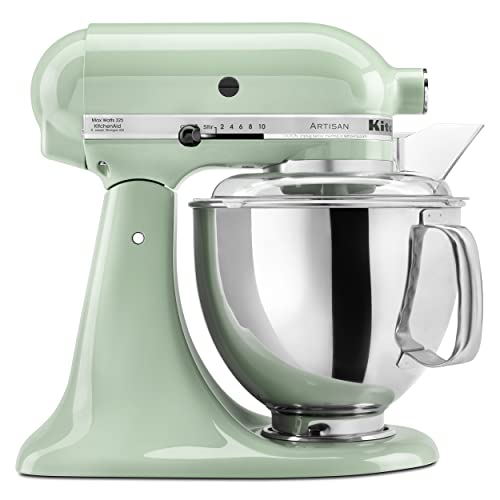
Choosing between a stand and hand mixer depends on your baking frequency and kitchen space. We compared 7 real models based on motor wattage, bowl capacity, and included attachments. Owner feedback on durability and ease of cleaning also shaped our picks.
Choosing between a stand mixer and a hand mixer depends on your baking habits. Stand mixers handle heavy doughs, while hand mixers are lighter and easier to store. We compared specifications, owner feedback, and use-case fit to pick the best for each need.

Choosing between a stand and hand mixer depends on your baking frequency and kitchen space. Stand mixers handle heavy doughs, while hand mixers offer convenience and easy storage. We compared specifications, owner reviews, and use-case fit to shortlist the best.

A budget-friendly hand mixer that handles everyday tasks well, but is it right for you? Our editorial team compared specs, buyer feedback, and key decision factors to bring you an honest review.

The Cuisinart Power Advantage is a reliable, powerful hand mixer with 9 speeds and a smooth-start feature. Ideal for everyday baking, it handles most tasks with ease, though it lacks a whisk attachment and can be heavy for some users.

An honest look at the Breville Bakery Chef stand mixer: who it's for, standout features, real-world performance, ease of use, cleaning, value, pros and cons, and how it compares to close alternatives.

An honest look at the Hamilton Beach Electric Stand Mixer: who it's for, real specs, performance, ease of use, cleaning, pros and cons, and how it compares to alternatives.
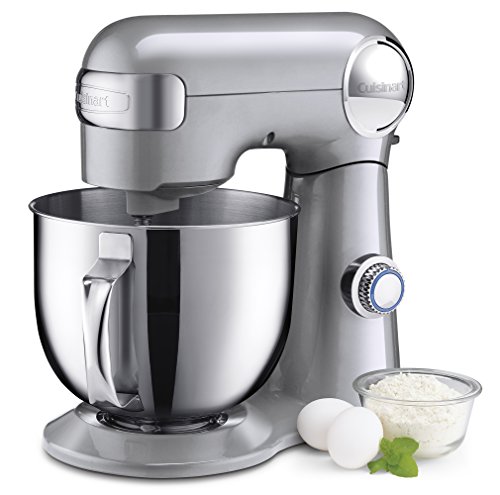
An honest look at the Cuisinart Precision Master stand mixer: design, performance, ease of use, cleaning, and how it stacks up against the competition.
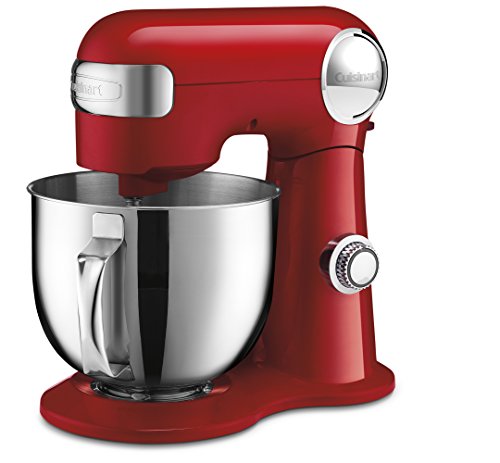
An honest look at the Cuisinart SM-50 stand mixer: who it is for, real specs, performance, cleaning, value, and how it compares to rivals like KitchenAid.
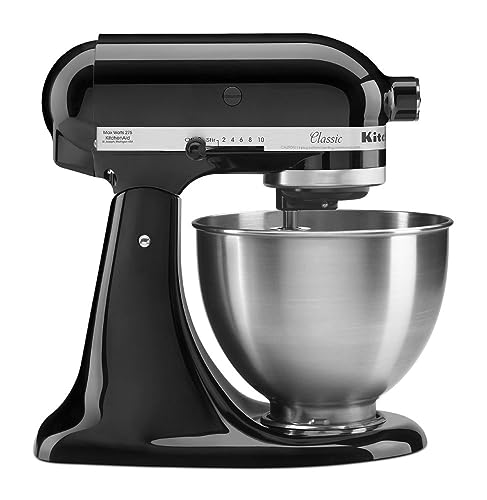
An honest look at the KitchenAid Deluxe stand mixer: who it's for, real specs, performance, ease of use, and how it compares to the Artisan and Classic.

An honest, in-depth look at the KitchenAid Professional 600: who it's for, its real specs, performance, ease of use, cleaning, and how it stacks up against alternatives.

The KitchenAid Classic is a beloved entry-level stand mixer. We analyze specs, real buyer feedback, and performance to see if it's the right mixer for your kitchen.

An honest look at the KitchenAid Artisan 5-Quart stand mixer: who it’s for, real specs, performance, ease of use, cleaning, and how it compares to alternatives.
Wash the dough hook by hand in warm, soapy water immediately after use. Use a nylon brush to remove dough from crevices. Rinse and dry thoroughly. Do not soak. Most hooks are not dishwasher safe. Check your manual for specific care instructions.
Unplug the mixer, remove attachments, and wash them in warm soapy water. Wipe the body with a damp cloth, avoiding the motor vents. Dry everything thoroughly before reassembling.