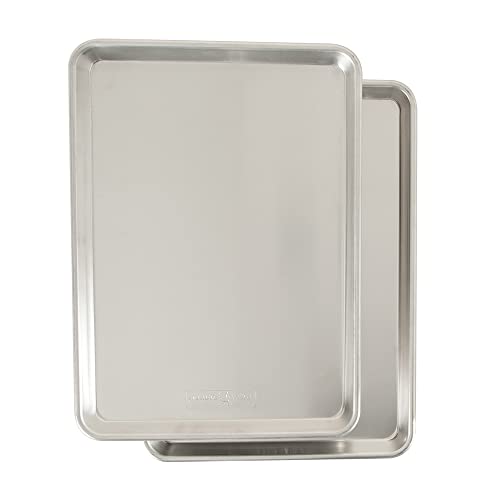
Cold dough is the top reason cookies don't spread; warm it slightly before baking.
- Check your leavener and measure flour correctly to avoid dense, round cookies.
- Use a light-colored, flat baking sheet and avoid over-creaming butter and sugar.
Why don't my cookies spread on the baking sheet?
Several factors stop cookies from spreading. The most common is dough that is too cold. Chilled dough holds its shape longer in the oven. Another culprit is over-creaming the butter and sugar, which incorporates too much air. That air sets the structure before the cookie can flatten. Expired baking soda or baking powder also fails to produce enough gas. Finally, a dry dough from too much flour or not enough fat prevents spread.
How to fix cookies that won't spread
First, let the dough sit at room temperature for 15 to 20 minutes. If the dough is still cold, use the palm of your hand to flatten each ball slightly. Next, test your leavener by adding a spoonful to warm water. If it doesn't fizz, replace it. Reduce the amount of flour by a tablespoon if the dough feels stiff. Also, make sure your baking sheet is clean and lightly greased. A dull, dark sheet absorbs heat and can set the bottom too fast.
How to prevent cookies from not spreading
Start with butter at a cool room temperature, around 65 to 68 degrees Fahrenheit. Cream butter and sugar for no more than two to three minutes. Use a light-colored, shiny baking sheet to reflect heat. Measure flour correctly by spooning it into the cup and leveling off. Avoid over-chilling the dough; 30 minutes is usually enough. If a recipe calls for chilling, take the dough out 10 minutes before shaping.
When to replace your baking sheet
If your sheet is warped, it heats unevenly, causing cookies to bake inconsistently. Dark, scratched surfaces can over-brown the bottom and hinder spread. A sheet with rust or pitting should be replaced. Nonstick sheets that are peeling are unsafe and should go. Consider a heavy-gauge aluminum sheet for even heat distribution. Replace any sheet that no longer lies flat on the oven rack.
When to call a professional for baking issues
Most cookie problems are fixable at home. But if your oven temperature is off by more than 25 degrees, call a technician. An oven that cycles erratically can ruin batches. If you smell gas or see soot, stop using it and call a pro. For persistent baking failures, a calibration check is worth the cost. Otherwise, tweak your technique and ingredients first.