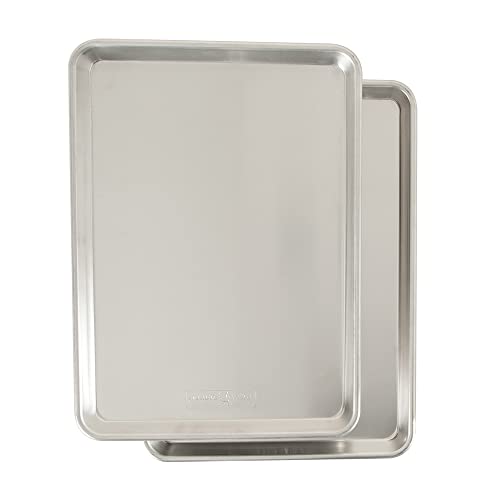
Rust forms when the protective coating wears off and moisture hits bare steel. Strip the rust with vinegar or a commercial rust remover, then season the sheet with oil and heat. Prevent future rust by drying immediately and storing in a dry place. Replace if pitting is deep.
- Rust occurs when the protective coating wears off and moisture hits bare steel.
- Remove rust with vinegar or a commercial remover, then season the sheet with oil.
- Prevent rust by drying immediately, avoiding the dishwasher, and using non-abrasive tools.
- Replace the sheet if rust has caused deep pitting or holes.
Why Does My Baking Sheet Keep Rusting?
Rust needs two things: exposed iron and moisture. Your sheet's protective coating, often a silicone or ceramic layer, wears off over time. Scratches from metal utensils or abrasive scrubbing expose the bare steel underneath. Even a small scratch can start rusting when it meets water or humid air. Dishwasher cycles are especially harsh, as the detergent and moisture attack the metal. Acidic foods, like tomatoes or vinegar, can also strip the coating and accelerate rust.
How to Remove Rust from a Baking Sheet
Start by scrubbing the rusted areas with a scouring pad and a paste of baking soda and water. For stubborn rust, soak the sheet in white vinegar for 15 to 30 minutes, then scrub again. A commercial rust remover, like Evapo-Rust, can dissolve rust without harsh scrubbing. Rinse the sheet thoroughly and dry it completely with a towel. After removing rust, season the sheet by rubbing a thin layer of vegetable oil over the entire surface. Heat it in an oven at 350°F for one hour, then let it cool inside. This creates a protective barrier that helps prevent future rust.
How to Prevent Baking Sheets from Rusting
Always dry your baking sheet immediately after washing, using a clean towel. Never leave it to air dry, as water spots can turn into rust. Store sheets in a dry cabinet, away from steam and humidity. Avoid putting them in the dishwasher, even if the label says dishwasher safe. Use silicone, wood, or nylon utensils instead of metal ones to prevent scratches. Line your sheet with parchment paper or a silicone mat when baking to protect the surface. If you see a scratch, touch it up with a bit of food-safe oil to seal the metal.
When Should You Replace a Rusted Baking Sheet?
Replace the sheet if rust has caused deep pitting or holes, as these can harbor bacteria. If the rust is only surface-level, you can safely remove it and continue using the sheet. Check for flaking rust, which can contaminate food and should be treated seriously. A sheet that has rusted multiple times, even after proper care, may have lost its protective coating permanently. In that case, replacement is the most reliable option. Look for new sheets with a heavy-gauge steel or anodized aluminum construction, which resist rust better.
Is It Safe to Bake on a Rusted Baking Sheet?
Small amounts of rust are generally not toxic, but they are not ideal for baking. Rust can flake off into your food, affecting taste and texture. Consuming rust in small quantities is unlikely to cause harm, but it's best to avoid it. If the rust is widespread, the sheet may not heat evenly, leading to uneven baking. For peace of mind, remove the rust and season the sheet before using it again. If you're concerned about safety, replace the sheet altogether.