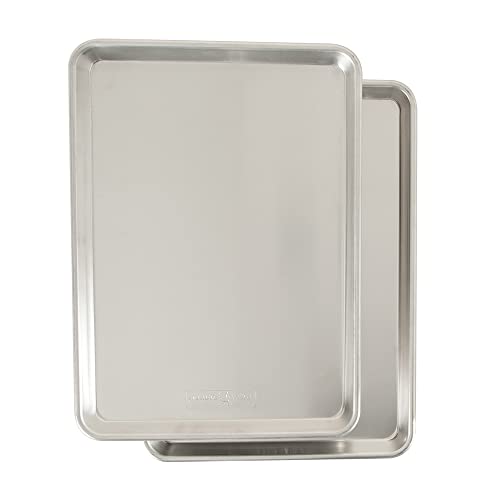
Rust forms when the protective coating wears off and iron reacts with moisture.
- Remove rust with vinegar or baking soda, then dry and season the sheet.
- Prevent rust by hand washing, drying immediately, and storing in a dry place.
Why do baking sheets rust?
Baking sheets rust when the protective coating wears off, exposing the iron underneath. Moisture and oxygen then react with the iron to form rust. Common culprits include washing in a dishwasher, using harsh metal scrubbers, and leaving sheets wet. Acidic foods like tomatoes can also strip the coating. Even high heat can damage the seasoning, making the metal vulnerable.
How to remove rust from baking sheets
Start by scrubbing off loose rust with steel wool or a stiff brush. Make a paste of baking soda and water, or use white vinegar for stubborn spots. Apply the paste, let it sit for 15 minutes, then scrub again. Rinse thoroughly and dry completely with a towel. For heavy rust, soak the sheet in vinegar for an hour, then scrub. After rust removal, wash with soap and water, then dry immediately.
How to prevent baking sheets from rusting again
Always hand wash baking sheets with mild soap and warm water. Avoid the dishwasher, as the harsh detergents and heat strip protective coatings. Dry sheets immediately with a clean towel, then let them air dry completely before storing. Apply a thin layer of cooking oil after drying to create a protective barrier. Store sheets in a dry place, away from humidity. Consider using parchment paper or silicone mats to reduce direct contact with food and moisture.
When should you replace a rusted baking sheet?
If rust has pitted the surface deeply, it's time to replace the sheet. Pits can harbor bacteria and are hard to clean. If the sheet is warped or has sharp edges, replace it for safety. Rust that keeps coming back despite proper care suggests the coating is gone. A new sheet is a better investment than constant scrubbing.
Are there rust-resistant baking sheet options?
Yes, look for baking sheets made from stainless steel or aluminum with a nonstick coating. Stainless steel is naturally rust-resistant, though it can discolor. Aluminum sheets are lightweight and rust-free but may react with acidic foods. Nonstick coatings prevent rust and make cleaning easier. Check the product description for materials that resist corrosion.