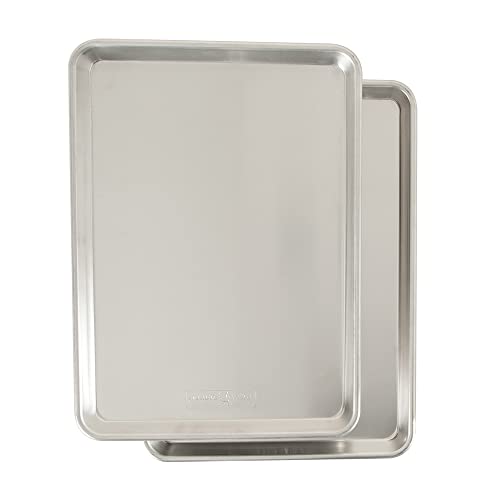
Chilled dough and too much flour are the top reasons cookies don't spread.
- Use a light-colored aluminum sheet and parchment paper for best results.
- Let dough warm slightly before baking and check your leavening agents.
- If your sheet is dark or warped, consider replacing it.
What causes cookies to not spread?
The most common cause is dough that is too cold. Cold butter solidifies and resists spreading until it melts, which can be too late. Another frequent issue is too much flour, which creates a stiff dough that holds its shape. Overmixing develops gluten, making cookies tough and less likely to flatten. Your baking sheet's material and color also matter. Dark sheets absorb heat and can set the edges before the center spreads. Nonstick surfaces require more fat in the dough, or they can inhibit spreading.
How to fix cookies that won't spread
First, let the dough sit at room temperature for 10 to 15 minutes. If it's still too stiff, press it gently with your palm before baking. Second, check your flour measurement. Spoon flour into the cup and level it off, rather than scooping. Third, ensure your leavening agents are fresh. Test baking soda by mixing a little with vinegar; it should fizz. Fourth, use a light-colored, rimless baking sheet if you have one. Finally, add a tablespoon of milk or water to the dough if it's too dry.
How to prevent cookies from not spreading
Start with butter at the right temperature. It should be soft enough to dent with a finger but not melted. Cream the butter and sugar thoroughly, but don't overmix after adding flour. Chill the dough for at least 30 minutes, but let it warm slightly before baking. Use a silicone baking mat or parchment paper, which allow more spread than nonstick. Always preheat the oven fully. An oven thermometer can verify the actual temperature.
When should you replace your baking sheet?
If your sheet is warped, it heats unevenly and can cause inconsistent spreading. Dark, scratched nonstick sheets may also affect baking. Replace a sheet if it's heavily pitted or has rust. A good sheet is heavy, sturdy, and has low sides. If you've tried all fixes and cookies still don't spread, your sheet might be the problem. Consider a new aluminum sheet, which conducts heat well.