Guest Room and Small Space Mattresses
Best Daybed Mattresses Under
7 picks compared
6 min read
ProductPickly is reader-supported. When you buy through links on our site, we may earn an affiliate commission at no extra cost to you. It never changes our picks.
The short answerFor a daybed under the Zinus Memory Foam 6 Inch, Linenspa 8 Inch Innerspring, and Lucid 6 Inch Gel Memory Foam lead. Each balances comfort, support, and price.
?How we pickedWe compare published specifications, safety certifications and thousands of verified owner reviews, and we do not physically test every unit. Read the full process in our review methodology.
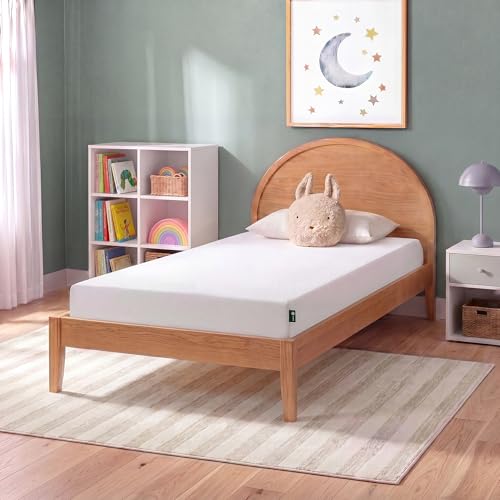
Zinus Memory Foam 6 Inch Mattress
★★★★★ 4.6 / 5 best overall
This 6-inch mattress uses high-density foam for support. It suits daybeds and trundles. Owners report minimal motion transfer.
Thickness 6 inchesMaterial Memory foamDensity High-density base layerCertification CertiPUR-US certified
- Affordable comfort
- Easy to set up
- Good for guests
- May be too firm for some
- Limited edge support
Linenspa 8 Inch Innerspring Mattress
★★★★★ 4.5 / 5 best value
An 8-inch innerspring with a quilted top. It provides a traditional bounce. Owners like its firmness and price.
Thickness 8 inchesMaterial Innerspring with foam layersCoil count Not specifiedWarranty 10-year limited
- Bouncy support
- Low cost
- Easy to move
- May sleep warm
- Less motion isolation
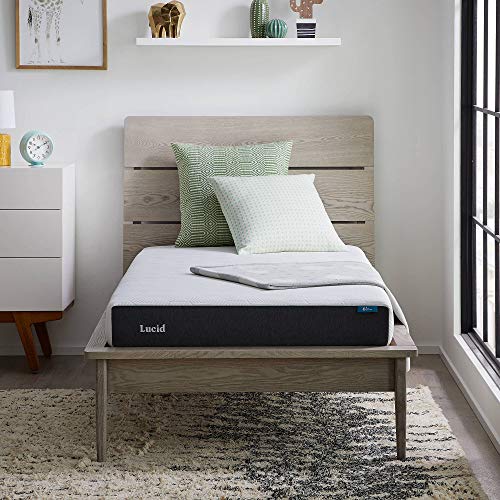
Lucid 6 Inch Gel Memory Foam Mattress
★★★★★ 4.4 / 5 best for hot sleepers
Gel-infused memory foam draws heat away. The 6-inch profile fits most daybeds. Owners report a cooler sleep.
Thickness 6 inchesMaterial Gel memory foamDensity 1.5 lb base foamCertification CertiPUR-US certified
- Cooling gel
- Conforms well
- Lightweight
- Thin for heavier adults
- No edge support
Best for: best for hot sleepers
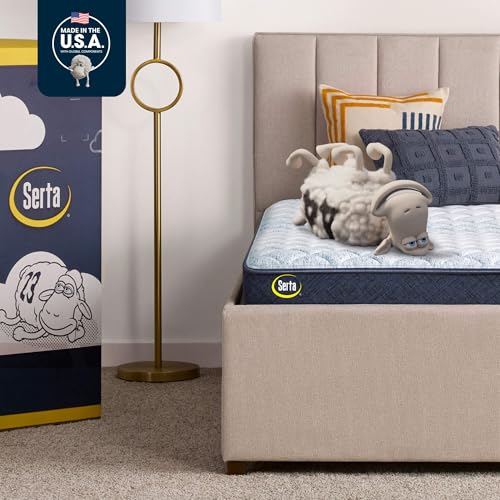
Serta Perfect Sleeper 6 Inch Mattress
★★★★★ 4.5 / 5 best for kids
This 6-inch mattress offers firm support. It resists sagging from daily use. Parents appreciate its low profile.
Thickness 6 inchesMaterial Foam and fiberFirmness FirmWarranty 10-year limited
- Firm support
- Durable construction
- Safe for kids
- Too firm for some adults
- Limited comfort layers
IKEA TUFVEDAG Mattress
★★★★★ 4.4 / 5 best for firm support
A firm foam mattress from IKEA. It fits their daybeds perfectly. Owners like the clean, simple design.
Thickness 5.5 inchesMaterial Polyurethane foamFirmness FirmWarranty 10-year limited
- Very firm
- Fits IKEA daybeds
- Affordable
- Thin for some
- No cover included
Best for: best for firm support
Olee Sleep 6 Inch Gel Infused Memory Foam Mattress
★★★★★ 4.4 / 5 best for guest rooms
Gel-infused foam provides a cool, supportive sleep. It works well for occasional guests. Owners report good value.
Thickness 6 inchesMaterial Gel memory foamDensity 1.5 lb base foamCertification CertiPUR-US certified
- Cooling gel
- Good for occasional use
- Easy to clean cover
- May soften over time
- No edge support
Best for: best for guest rooms
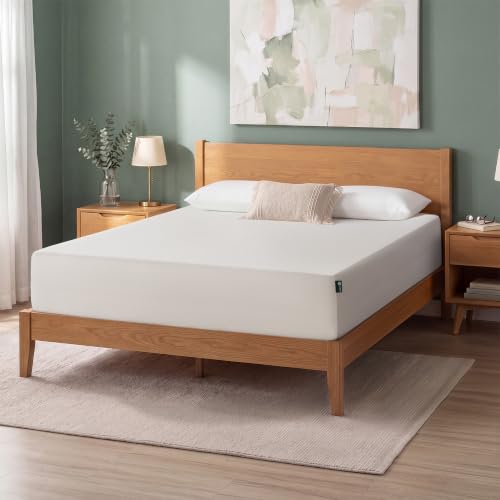
Zinus 8 Inch Gel Infused Green Tea Memory Foam Mattress
★★★★★ 4.5 / 5 best for eco-conscious
This 8-inch mattress includes green tea extract. It helps reduce odors. Owners appreciate the natural touch.
Thickness 8 inchesMaterial Gel memory foam with green teaDensity High-density baseCertification CertiPUR-US certified
- Green tea infusion
- Good support
- Budget-friendly
- May have initial odor
- Heavier than 6-inch models
Best for: best for eco-conscious
We compared specs like thickness, foam density, and coil gauge. Owner feedback highlighted durability and edge support. Use-case fit mattered most for guests and kids.
What to look for in a daybed mattress
Thickness matters. Most daybeds need a mattress between 5 and 8 inches. Check the frame's slat spacing. Thin mattresses may not fit well. Firmness is key. A daybed doubles as seating. A medium-firm to firm mattress holds shape.
Material and support
Memory foam conforms to the body. Innerspring offers bounce and airflow. Gel infusions help with heat. High-density foam lasts longer. Consider the sleeper's weight. Heavier adults may need a thicker mattress. Edge support prevents sagging when sitting.
Durability and maintenance
Look for CertiPUR-US certification. It ensures low emissions. Rotate the mattress regularly. Use a mattress protector. Avoid jumping on the bed. Daybeds see more stress from sitting. Choose a mattress with a solid warranty.
Matching your daybed frame
Measure the frame's interior. Standard daybeds fit twin or full sizes. Check the slat gap. Gaps wider than 3 inches need a bunkie board. Some frames require a specific thickness. IKEA daybeds often need their own mattresses.
Questions people ask
What size mattress fits a daybed?
Most daybeds use a twin or full size. Measure the frame's interior. Standard twin is 38 by 75 inches. Full is 54 by 75 inches.
Can I use a regular mattress on a daybed?
Yes, but check the thickness. Daybeds often need a mattress under 8 inches. A regular mattress may be too tall and look bulky.
What is the best thickness for a daybed mattress?
A 6-inch thickness is common. It provides enough support without being too high. Some prefer 8 inches for extra comfort.
Is a memory foam mattress good for a daybed?
Memory foam works well. It conforms to the body and reduces motion transfer. Choose a gel-infused version for cooling.
How do I keep a daybed mattress from sliding?
Use a non-slip pad under the mattress. Some frames have a lip to hold it. You can also use velcro strips.
Can a daybed mattress be used on the floor?
Yes, but it may wear faster. Use a platform or slats for airflow. A mattress on the floor can trap moisture.
What is the difference between a daybed and a trundle mattress?
A daybed mattress is for the main surface. A trundle mattress is thinner, often 5 to 6 inches. Trundles are for occasional use.
Are expensive daybed mattresses worth it?
Not always. Under you can find good quality. Focus on materials and warranty. Expensive doesn't guarantee better sleep.
How often should I replace a daybed mattress?
Every 7 to 10 years is typical. If it sags or shows wear, replace it sooner. Frequent guests may need more frequent replacement.
Can I use a mattress topper on a daybed?
Yes, a topper can add comfort. Choose a thin one to avoid changing the height. Memory foam toppers work well.
The bottom lineSo which one?
The Zinus 6 Inch offers the best balance for most daybeds. The Linenspa 8 Inch is a solid value pick. For hot sleepers, the Lucid 6 Inch Gel is a smart choice.