Choosing the right sheet material can transform your sleep. With so many options, it is easy to feel overwhelmed. Our editorial team compared specifications, buyer feedback and key decision factors for cotton, linen, bamboo, microfiber, and silk. This guide breaks down the pros and cons of each material, so you can find the perfect fit for your comfort and budget.
Cotton Sheets: The Classic Choice
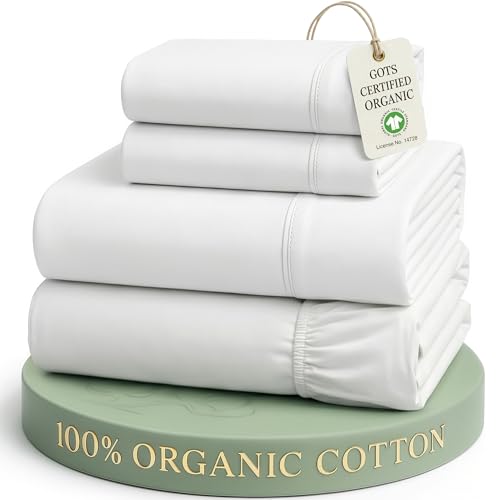
Cotton is the most popular sheet material, and for good reason. It is breathable, durable, and soft. The quality of cotton varies greatly depending on the fiber length and weave. Long-staple cotton, such as Egyptian or Pima, produces finer and stronger yarns, resulting in softer and more durable sheets.
Cotton sheets come in two main weaves: percale and sateen. Percale is crisp and cool, ideal for hot sleepers. Sateen is silky and smooth, with a subtle sheen, but it may be slightly warmer. Cotton is also easy to care for and becomes softer with each wash.
Pros and Cons of Cotton Sheets
- Pros: Breathable, durable, soft, versatile, easy to care for
- Cons: Can wrinkle, may shrink if not washed properly, higher quality cotton is expensive
Linen Sheets: The Hot Sleeper's Hero
Linen is made from flax fibers, which are known for their exceptional breathability and moisture-wicking properties. Linen sheets have a textured, casual look that many find appealing. They are highly absorbent and dry quickly, making them perfect for hot sleepers or those who live in humid climates.
One downside is that linen can feel rough initially, but it softens significantly after a few washes. It also wrinkles easily, which some people love for its relaxed aesthetic, but others may find frustrating. Linen is very durable and can last for decades if cared for properly.
Pros and Cons of Linen Sheets
- Pros: Excellent breathability, moisture-wicking, durable, gets softer over time
- Cons: Expensive, wrinkles easily, may feel rough at first
Bamboo Sheets: Eco-Friendly and Silky
Bamboo sheets are made from viscose derived from bamboo pulp. They are known for their silky-soft texture and natural temperature-regulating properties. Bamboo sheets are also hypoallergenic and resistant to dust mites, making them a good choice for allergy sufferers.
However, the manufacturing process can be chemical-intensive, so look for brands that use eco-friendly methods. Bamboo sheets are generally durable but may pill over time. They are also prone to slipping off the mattress if the fitted sheet does not have deep pockets.
Pros and Cons of Bamboo Sheets
- Pros: Silky smooth, breathable, thermo-regulating, hypoallergenic, sustainable
- Cons: May pill, can be slippery, durability varies
Microfiber Sheets: Budget-Friendly and Soft
Microfiber sheets are made from finely woven polyester fibers. They are extremely soft, wrinkle-resistant, and affordable, making them a popular choice for guest rooms or dorm rooms. Microfiber is also stain-resistant and easy to clean.
However, microfiber is not breathable and can trap heat, which is not ideal for hot sleepers. It may also pill or fade after repeated washing. While it is a great budget option, it does not offer the same durability or comfort as natural fibers.
Pros and Cons of Microfiber Sheets
- Pros: Very affordable, soft, wrinkle-resistant, easy care
- Cons: Not breathable, may pill, less durable
Silk Sheets: The Ultimate Luxury
Silk sheets are the epitome of luxury. Made from natural silk fibers, they are incredibly smooth and gentle on skin and hair. Silk is naturally hypoallergenic and temperature-regulating, keeping you cool in summer and warm in winter.
The main drawbacks are the high cost and delicate nature. Silk requires hand washing or a gentle cycle with mild detergent, and it can be damaged by heat or harsh chemicals. It also tends to be slippery, which some people love and others find annoying.
Pros and Cons of Silk Sheets
- Pros: Ultra-smooth, hypoallergenic, temperature-regulating, gentle on skin and hair
- Cons: Very expensive, delicate, requires special care
How to Choose the Best Sheet Material for You
When deciding, consider your sleeping temperature, budget, and maintenance preferences. Here are some guidelines:
- Hot sleepers: Choose linen, bamboo, or cotton percale.
- Cold sleepers: Flannel (not covered here) or high-thread-count cotton sateen.
- Allergy sufferers: Silk or bamboo are hypoallergenic options.
- Budget-conscious: Microfiber is the cheapest, but cotton is a better long-term investment.
- Luxury seekers: Silk or high-end Egyptian cotton.
Common Mistakes to Avoid When Buying Sheets
Many shoppers focus solely on thread count, but that is not the only factor. Here are common pitfalls:
- Ignoring fiber quality: Long-staple cotton is better than short-staple, regardless of thread count.
- Overlooking weave: Percale and sateen feel very different; choose based on your preference.
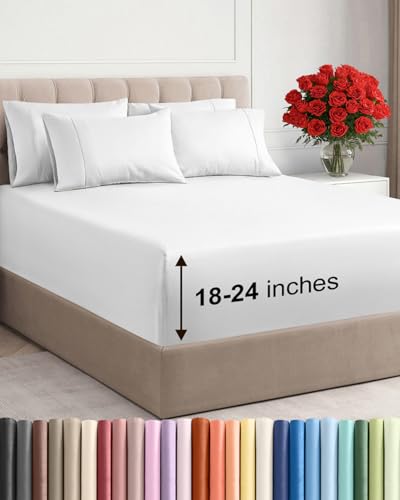
- Not checking pocket depth: Ensure the fitted sheet fits your mattress thickness.
- Skipping care instructions: Some materials require special washing; be prepared to follow them.
- Buying without reading reviews: Real user feedback can reveal issues like pilling or shrinkage.
Final Thoughts
There is no one-size-fits-all answer. The best sheet material is the one that meets your specific needs. Our top pick, Boll & Branch Organic Cotton Sheets, offers a great balance of comfort, durability, and breathability. For hot sleepers, Cultiver Linen Sheets are a fantastic choice. If you want eco-friendly luxury, Cariloha Bamboo Sheets are worth considering. For budget shoppers, Utopia Bedding Microfiber Sheets provide value, and for those who want the best of the best, LilySilk Mulberry Silk Sheets deliver unmatched luxury.
Remember to check the current price on Amazon for any of these options. Happy sleeping!