Mattress by Body Weight
40 posts in this topic

Finding a budget mattress that supports heavier bodies is tricky. Many cheap options sag quickly. We compared specs and owner feedback for seven models.
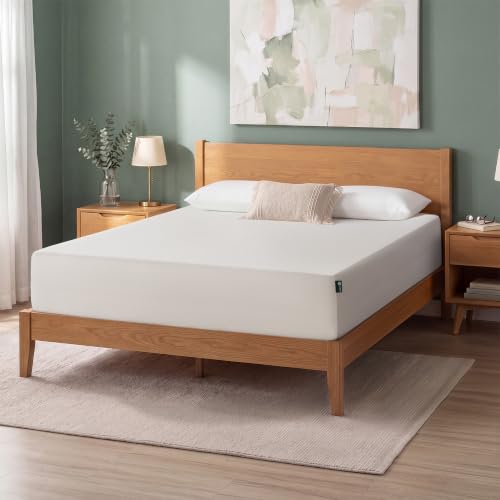
A sagging mattress ruins sleep and causes back pain. Budget models often use low-density foam that loses support quickly.

Finding a firm mattress on a budget can feel like a compromise. Many cheap options are too soft or lack support. We compared firmness ratings, material specs, and owner feedback to find the best picks.
Finding a budget mattress with reinforced edges is tricky. Many cheap beds sag at the border, reducing usable sleep surface.
Finding a budget mattress for heavy couples is tricky. You need support, durability, and motion isolation without a high price.
Petite side sleepers need a mattress that cushions shoulders and hips while keeping the spine aligned. Budget models often skimp on pressure relief, so we focused on those with quality foam layers.
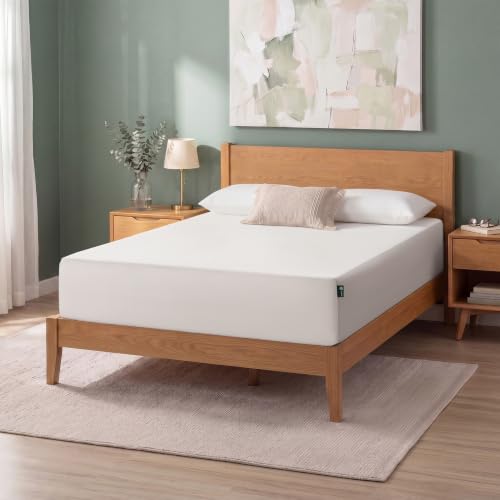
Finding a budget mattress for someone under 130 lb is tricky. Most beds are designed for average weights, so lighter bodies may not sink enough. We compared firmness, support layers, and owner feedback to find the best options.
Finding a budget mattress for a 300+ lb sleeper is tough. Most cheap beds sag quickly under heavy weight. We compared specs like coil gauge and foam density to find durable options. Owner feedback also guided our picks.
Finding a budget mattress for heavier bodies is tricky. Standard foam beds often sag quickly. We compared specs like coil gauge and density to find durable picks.
Finding a budget mattress for a heavier body weight is tricky. Many cheap beds sag quickly under 230 pounds. We compared specifications like coil gauge, foam density, and firmness ratings.

Heavy sleepers need a mattress that won't sag. Firmness alone isn't enough. The support core and edge construction matter most.

A firm mattress that sags defeats its purpose. Sagging creates pressure points and poor spinal alignment. We compared models with high-density foams and strong coil systems. Owner feedback on long-term durability guided our picks.
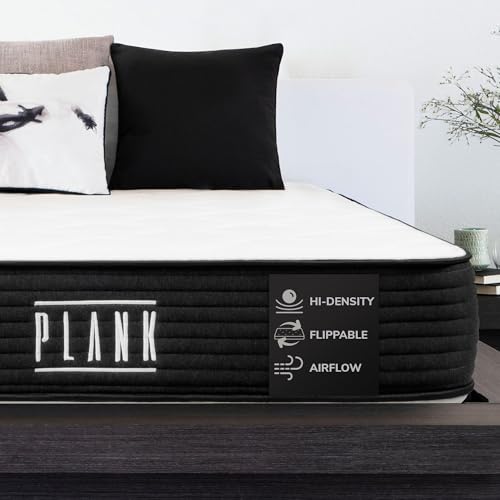
Firm support matters for spinal alignment and pressure relief. But firmness is subjective, so we compared real specifications and owner feedback.

A firm mattress with reinforced edges keeps you stable when you sit or sleep near the perimeter. Edge support matters for getting in and out of bed, and it expands your usable sleep surface. We compared coil systems, foam density, and edge encasements across top-rated models. Owner feedback on sagging and roll-off shaped our final picks.

Heavy couples need a mattress that supports combined weight without sagging. Firmness alone is not enough. You also need high-density foam, strong coils, and robust edge support.
Petite side sleepers need a firm mattress that still cushions shoulders and hips. Too soft leads to misalignment; too hard causes pressure points. We compared specs, owner feedback, and use-case fit to find the best options.
Finding a firm mattress for a light sleeper is tricky. Many firm beds feel too hard or lack pressure relief. We compared specifications and owner feedback to find the best options.

Finding a firm mattress for over 300 lb is tough. Standard beds sag quickly under heavy weight. We compared specs like coil gauge and foam density. Owner feedback on long-term durability shaped our picks. Support and edge strength matter most here.
Choosing a firm mattress over 250 lb is tricky. Standard beds often sag or lose support quickly. We compared specs like coil gauge, foam density, and weight limits. We also considered owner reports on durability and comfort.
Finding a firm mattress for someone over 230 lb is tricky. Standard beds often sag or lack support. We compared specifications and owner feedback to find durable, supportive options.
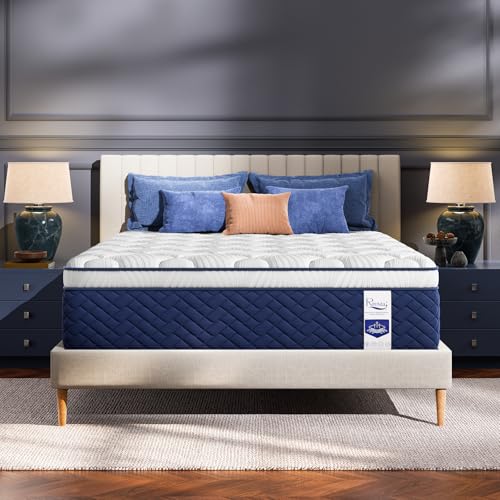
Finding a hybrid mattress that supports higher body weights takes more than a thick comfort layer. You need strong coils and dense foams that resist sagging over time. We compared specifications like coil gauge, foam density, and edge support, plus owner feedback on durability and comfort.
Hybrid mattresses can sag when coils weaken or foam loses density. We compared real models based on coil gauge, foam density, and edge support. Owner feedback on long-term durability shaped our picks.
Firm hybrid mattresses combine coil support with foam comfort. They suit back and stomach sleepers who need a stable surface. Choosing the right one depends on your weight and sleep position.
Reinforced edges keep you from rolling off and expand your usable sleep surface. Many hybrids claim edge support, but few deliver it well. We compared coil systems, foam density, and firmness options. Owner feedback also shaped our picks.

Heavy couples need a mattress that supports combined weight without sagging. Standard hybrids often fail here. We compared specs like coil gauge, foam density, and edge support.

Petite side sleepers need a mattress that cushions shoulders and hips without sinking too much. A hybrid with zoned support and medium firmness often works best.

Finding a hybrid mattress for a lighter body weight is tricky. Most hybrids are designed for average or heavier sleepers, so they can feel too firm or lack pressure relief. We focused on models with zoned support, softer comfort layers, and responsive coils. We compared specifications, owner feedback, and use-case fit to pick the top options.
Finding a hybrid mattress for someone over 300 lb is tough. Standard beds often sag or lose support quickly. We compared specifications like coil gauge, foam density, and weight capacity. We also looked at owner feedback on durability and edge support. These picks are built to last for heavier sleepers.
Finding a hybrid mattress for heavier bodies means focusing on support and durability. Standard mattresses often sag under higher weight. We compared specifications like coil gauge and foam density. We also considered owner feedback on long-term performance.
Finding a hybrid mattress for heavier bodies is tricky. Standard models may sag or lack edge support. We compared specs like coil gauge, foam density, and weight capacity. Owner feedback on durability and comfort guided our picks.
Finding a mattress that supports higher body weight takes more than just a firm feel. You need reinforced coils, dense foams, and a sturdy edge. We compared specifications and owner feedback to find models that hold up over time.
Sagging ruins sleep and shortens mattress life. It happens when support layers break down. We focused on construction quality and materials.
Firm support mattresses suit back and stomach sleepers, plus those with back pain. The right firmness reduces pressure points and keeps the spine aligned. We compared specifications, owner feedback, and use-case fit across popular models.
Finding a mattress with reinforced edges is key for those who sit on the edge or need full sleeping surface. Weak edges can sag and reduce usable space.
Choosing a mattress for heavy couples is tricky. Standard beds may sag or lack support. We compared weight capacity, firmness, and motion isolation. Owner feedback and specifications guided our picks.
Petite side sleepers need a mattress that cushions shoulders and hips without sagging. Lighter bodies often find standard mattresses too firm, causing pressure points.
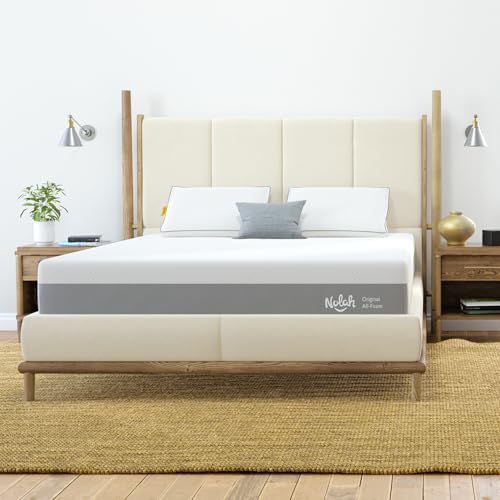
Lightweight sleepers under 130 lb face a unique challenge: many mattresses feel too firm because they don't sink enough to engage pressure-relieving layers. The right choice depends on your sleeping position and preference for feel.
People over 300 lb need a mattress that won't sag or lose support. Standard mattresses often fail under heavy weight. We compared heavy-duty models with high weight capacity and robust construction.
For people over 250 lb, standard mattresses often sag or lose support quickly. You need reinforced coils, high-density foam, and sturdy edges. We compared specs, owner feedback, and use-case fit to find the best options.
Finding a mattress that supports over 230 lb is tricky. Standard beds often sag or lose shape quickly. We compared specs, owner feedback, and use-case fit to find the most durable options.