Pillows by Sleep Position
40 posts in this topic

Petite side sleepers need a pillow that fills the gap between the neck and mattress without pushing the head too high. The right loft and firmness keep the spine aligned and prevent neck pain. We compared specifications, owner feedback, and use-case fit to find the best adjustable options.

Heavy side sleepers need extra support to keep the spine aligned. A standard pillow often collapses under the weight. Adjustable pillows let you add or remove fill to get the right height and firmness.
Stomach sleepers need a thin pillow to keep the neck neutral. Too thick a pillow forces the head up and strains the spine. Adjustable pillows solve this by letting you remove filling. We compared specs like loft range, fill material, and cover fabric. Owner feedback also guided our picks for comfort and durability.
Finding the right pillow for back sleepers is tricky because neck support depends on personal anatomy. Adjustable pillows let you add or remove fill to match your preferred loft. We compared specs like fill material, cover fabric, and adjustability, plus owner feedback on comfort and durability.
Side sleepers need a pillow that fills the gap between shoulder and head. Adjustable pillows let you add or remove fill to get the right height. We compared specs and owner feedback to find the best under
Combination sleepers switch positions throughout the night. A fixed pillow often feels wrong in one position. Adjustable pillows let you add or remove fill to match your current sleeping style.
Stomach sleepers need a pillow that keeps the spine aligned without propping the head too high. A low loft, around 2 to 3 inches, is ideal. We compared specifications and owner feedback to find the best options.
Finding the right pillow for back sleeping is tricky. Medium loft means about 4 to 5 inches of height. That supports the neck without pushing the head too far forward.
Side sleepers who sleep hot face a dual challenge: proper spinal alignment and temperature regulation. Most pillows fail at one or both. We compared specifications and owner feedback to find adjustable options that address both needs.
Side sleepers with broad shoulders need a taller pillow to fill the gap between neck and mattress. Standard pillows often leave the neck unsupported, causing pain. We compared adjustable pillows for their loft range, fill types, and owner feedback.
Petite side sleepers need a pillow that supports the head and neck without pushing the spine out of alignment. A pillow that is too thick or firm can cause neck pain. We selected these pillows based on specifications, owner feedback, and suitability for petite frames.
Heavy side sleepers need extra support to keep the spine aligned. A pillow that is too soft can cause neck pain and shoulder strain.
Stomach sleeping demands a low-loft pillow to keep your neck neutral. Too thick, and you wake up with a crick. We compared specs and owner reviews to find the best under
Finding a memory foam pillow under that supports back sleepers is tough. Many are too thick or too soft. We compared specifications and owner reviews to find the best options.
Side sleepers need a pillow that fills the gap between shoulder and neck. Memory foam offers contouring support, but not all are created equal. We compared specs like loft, density, and cooling features. Owner feedback on comfort and durability also shaped our picks.
Combination sleepers change positions several times a night. The right pillow must adapt without forcing your neck into awkward angles. We compared specifications and owner feedback to find versatile options.
Stomach sleepers need a thin pillow to keep the spine neutral. A high loft can strain the neck and lower back. We compared specifications and owner feedback for low loft memory foam options.
Back sleepers need a pillow that fills the gap between neck and mattress. A medium loft, around 4 to 5 inches, works for most. Too high strains the neck; too low causes chin to drop.
Side sleepers need a pillow that fills the gap between shoulder and head. Hot sleepers need one that dissipates heat. Finding both in one pillow is the challenge.
Side sleepers with broad shoulders need extra loft to fill the gap between the neck and mattress. Standard pillows often leave the head tilted, causing neck pain.
Finding a cooling pillow for a petite side sleeper is tricky. Standard pillows often have too much loft, straining the neck.

Heavy side sleepers need extra support and cooling. Pressure on the shoulder and hip can cause pain and overheating.
Stomach sleepers need a thin pillow to keep the spine aligned. A thick pillow forces the neck upward, causing pain. Cooling matters because stomach sleepers press their face into the pillow, trapping heat.
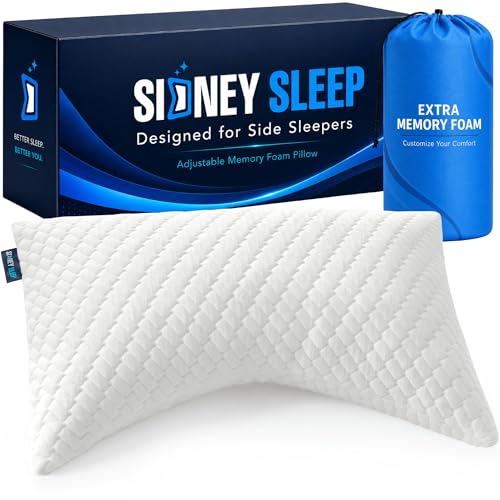
Back sleepers need neck support and cooling. Many pillows trap heat, causing night sweats. We compared specs, materials, and owner feedback to find the best under
Side sleepers need a pillow that fills the gap between shoulder and head. Cooling is a bonus, but under choices narrow. We compared specs like fill, cover fabric, and loft adjustability. Owner feedback helped spot real-world comfort and heat retention issues.
Combination sleepers switch positions throughout the night. They need a pillow that adapts to back, side, and stomach sleeping. Heat retention is a common complaint with memory foam. We compared cooling fabrics, fill types, and adjustability. Owner feedback on temperature and support guided our picks.
Stomach sleepers need a thin pillow to keep the spine aligned. A high loft can strain the neck. Cooling materials help prevent night sweats.
Finding a cooling pillow that also provides medium loft for back sleeping is tricky. Most cooling pillows are either too soft or too thick. We compared specifications, materials, and owner reviews to find the best options.
Side sleepers who sleep hot need a pillow that supports the head and neck without trapping heat. The right pillow combines breathable materials, proper loft, and cooling technology.
Side sleepers with broad shoulders need extra loft and width. Standard pillows often leave the neck unsupported and the shoulder cramped.
Petite side sleepers need a pillow that fills the gap between shoulder and neck without pushing the head up. A too-high pillow strains the neck and shoulders.
Heavy side sleepers need extra support to keep the spine aligned. A pillow that is too soft lets the head sink, causing neck pain. We compared loft, fill density, and firmness to find the best options.
Stomach sleepers need a thin pillow to avoid neck strain. A high loft forces the head up, causing pain. We compared specs and owner reviews for 7 models under
Back sleepers need a pillow that supports the neck's natural curve without propping the head too high. A medium loft with a contoured or adjustable fill often works best. We compared materials, dimensions, and owner feedback to find the top picks under
Side sleepers need a pillow that fills the gap between shoulder and head. Too low strains the neck, too high misaligns the spine. Under you still have solid options.
Combination sleepers switch positions throughout the night. This makes pillow choice tricky. A pillow that suits side sleeping may feel too high for back sleeping. We compared specs like loft, fill, and firmness. We also looked at owner feedback for real-world comfort.
Stomach sleepers need a pillow that is low profile to avoid neck strain. A high loft forces the head upward, which can cause pain. We compared specifications and owner feedback to find the best options.
Finding a medium loft pillow for back sleepers is tricky because loft needs vary with body size and mattress firmness. We compared specifications and owner feedback across seven models. Our picks balance support, comfort, and durability for different preferences and budgets.
Side sleepers who run hot face a double challenge. They need enough loft to align the spine, but dense fills trap heat. We compared specifications and owner feedback to find pillows that breathe without sacrificing support.
Side sleepers with broad shoulders need a pillow that fills the gap between the shoulder and head. Too low, and your neck bends; too high, and your head tilts. We compared specifications and owner reviews to find the best fits.