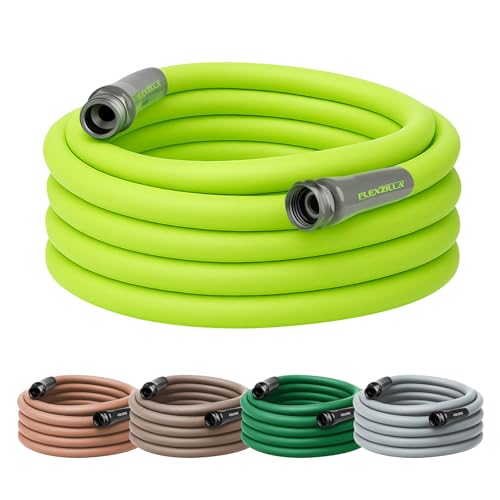
Garden hose fittings and connectors are the unsung heroes of your watering system. A loose or mismatched connector can turn a simple task into a frustrating mess of leaks and spray. Our editorial team compared specifications, buyer feedback, and key decision factors to help you understand the different fitting types, sizes, and how to choose the right ones for your needs.
Why Fittings Matter
Fittings are the connection points between your hose, spigot, nozzle, sprinkler, or other watering tools. They determine how securely water flows and whether you experience annoying drips or bursts. A good fitting ensures a watertight seal, withstands outdoor conditions, and allows for easy attachment and detachment. Poor fittings can waste water, damage your hose, and make tasks like watering plants or washing the car more difficult.
When you buy a new hose, it often comes with basic connectors, but these may not suit every situation. Upgrading to higher-quality fittings or using quick-connect systems can improve convenience and longevity. Understanding the basics of fitting types, materials, and sizes will help you make informed decisions.
Types of Fittings: Brass, Plastic, Quick-Connect
Brass Fittings
Brass is the classic material for hose fittings. It is strong, resistant to corrosion, and can handle high water pressure without cracking. Brass fittings are less likely to strip threads, and they provide a reliable seal when paired with rubber washers. They are ideal for permanent connections, such as attaching a hose to a spigot or a sprinkler system. The main downside is cost, as brass is more expensive than plastic. However, many users find the durability worth the investment.
Plastic Fittings
Plastic fittings are lightweight, inexpensive, and easy to install. They are common on budget hoses and are fine for light-duty tasks. However, plastic can become brittle over time, especially when exposed to UV rays or freezing temperatures. They may crack under stress or if over-tightened. For temporary setups or indoor use, plastic fittings are acceptable, but for year-round outdoor use, consider upgrading to brass or metal.
Quick-Connect Fittings
Quick-connect fittings allow you to attach and detach hoses and tools with a simple push or pull. They consist of a male adapter that fits into a female coupler, often with a locking collar. Quick-connects save time when switching between nozzles, sprinklers, or multiple hoses. They are available in both brass and plastic versions. Brass quick-connects are more durable, while plastic ones are lighter and cheaper. Ensure you buy a complete set with matching male and female parts, as not all brands are interchangeable.
Sizes and Compatibility
Garden hose fittings come in standard sizes, but confusion can arise. The most common size for residential hoses in the US is 3/4-inch GHT (garden hose thread), which has a 1-inch diameter thread. However, some hoses use 1/2-inch or 5/8-inch fittings, especially for smaller or specialty hoses. Always check the diameter of your hose and the thread size of your spigot and attachments.
Compatibility also depends on the thread type. GHT is a straight thread, not tapered like pipe threads. Using the wrong thread type can cause leaks or prevent a secure fit. Most standard garden hoses and spigots use GHT, but some imported products may use metric threads. If you have a non-standard fitting, you may need an adapter.
When buying new fittings, measure the outer diameter of your hose and the thread size of your spigot. Take the old fitting to the store if you are unsure. Many manufacturers list the size on the packaging, so look for “3/4-inch GHT” or “5/8-inch” labels.
Preventing Leaks
Leaks are the most common issue with hose fittings. Here are steps to prevent them:
- Check the rubber washer: Most female fittings have a rubber washer inside that creates the seal. If it is missing, worn, or dry, replace it. Washers are cheap and available at hardware stores.
- Tighten properly: Hand-tighten the connection, then give it an extra quarter turn with pliers if needed. Avoid over-tightening, which can strip threads or crush the washer.
- Use plumber's tape: For threaded connections, wrap Teflon tape around the male threads to fill gaps and improve the seal. This is especially useful for metal-to-metal connections.
- Inspect for damage: Look for cracks, bent threads, or corrosion on fittings. Replace damaged parts immediately.
- Protect from freezing: Disconnect hoses and drain them before winter to prevent water from freezing and expanding, which can crack fittings.
By following these tips, you can minimize leaks and extend the life of your fittings.
Choosing Connectors for Your Tasks
The right connector depends on what you are doing. For a permanent connection to a spigot, a brass threaded fitting is reliable and durable. For frequent changes between nozzles and sprinklers, a quick-connect system saves time and reduces wear on threads. If you have a soaker hose or drip irrigation, you may need specialized fittings like compression or barbed connectors.
Consider the water pressure and flow rate. Brass fittings handle high pressure better than plastic. For heavy-duty tasks like pressure washing, choose metal fittings. For light watering, plastic may suffice. Also, think about the number of connections. Using multiple splitters and adapters can reduce pressure, so choose high-quality fittings with large internal diameters.
Finally, check the reviews for specific brands. Some quick-connect systems are known to leak if not perfectly matched. Reading buyer feedback helps you avoid poor-quality products. Our editorial team found that brass fittings from reputable brands generally receive higher satisfaction ratings.
Frequently Asked Questions
Are brass hose fittings better than plastic?
Brass fittings are more durable, resist corrosion, and handle higher water pressure. Plastic fittings are lighter and cheaper but can crack under stress or freezing temperatures. For long-term outdoor use, brass is often the better investment.
What is the standard garden hose thread size?
Most garden hoses in the US use 3/4-inch GHT (garden hose thread) with a 1-inch diameter thread. However, some hoses have 1/2-inch or 5/8-inch fittings. Always check the diameter and thread pitch to ensure compatibility.
How do I stop my hose connector from leaking?
Ensure the rubber washer is present and in good condition. Tighten the connection firmly but avoid over-tightening. Use plumber's tape on threaded connections for a better seal. Replace worn washers regularly.
