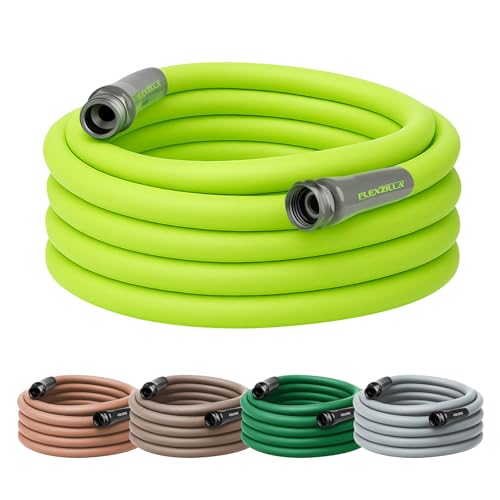
Choosing the right garden hose can be overwhelming with so many options available. Our editorial team compared specifications, buyer feedback, and key decision factors to help you make an informed choice. This guide breaks down the essential features: length, diameter, material, fittings, kink resistance, and warranty. By understanding how each affects performance, you can select a hose that fits your garden size and water pressure needs.
Length: Match to Your Garden Size
The length of your garden hose determines how far you can reach without moving the spigot. Measure the distance from your outdoor faucet to the farthest point in your garden. Add a few extra feet for maneuverability around beds and corners. Common lengths range from 25 to 100 feet.
For small patios or balconies, a 25 foot hose is often sufficient. Medium sized yards typically need 50 feet. Large properties may require 75 or 100 feet. Remember that longer hoses are heavier and reduce water pressure due to friction. If you have high water pressure, you can compensate, but it is better to choose the shortest length that meets your needs.
Consider buying two shorter hoses and connecting them if you occasionally need extra reach. This gives you flexibility and reduces the weight of a single long hose.
Diameter: Water Flow and Pressure
Garden hoses come in three standard diameters: 1/2 inch, 5/8 inch, and 3/4 inch. The diameter affects the volume of water flow and the pressure at the nozzle. A larger diameter delivers more water per minute, which is beneficial for tasks like filling a pool or running a sprinkler.
For typical residential use with a standard water pressure of 40 to 60 psi, a 5/8 inch hose is the most common choice. It offers a good balance of flow and weight. A 1/2 inch hose is lighter and easier to maneuver, but it restricts water flow, making it suitable for light watering with a nozzle.
A 3/4 inch hose provides maximum water flow but is heavier and less flexible. It is best for commercial applications or when you need to move large volumes of water over long distances. Consider your water pressure: if your pressure is low, a larger diameter hose may not improve performance and could be harder to handle.
Material: Vinyl, Rubber, and Hybrid
The material of the hose determines its durability, flexibility, and resistance to kinks and temperature extremes. Here is a comparison of the three main types:
- Vinyl hoses are lightweight and inexpensive. They are easy to coil and suitable for light duty tasks. However, they are prone to kinking, cracking in cold weather, and may not withstand high water pressure. They are best for occasional use in mild climates.
- Rubber hoses are heavy duty and highly durable. They resist kinks, abrasion, and extreme temperatures. They remain flexible in cold weather and can handle high water pressure without bursting. The tradeoff is higher cost and increased weight, making them harder to move around.
- Hybrid hoses combine materials like polyurethane or a blend of rubber and vinyl. They aim to offer the best of both worlds: lighter than rubber but more durable than vinyl. They are often kink-resistant and flexible, making them a popular choice for everyday use.
When choosing a material, think about how often you use the hose and the climate. If you live in an area with freezing winters, a rubber or hybrid hose will last longer. For a budget friendly option, vinyl may suffice for light watering.
Fittings and Connectors
The fittings are the metal or plastic connectors at each end of the hose. Quality fittings ensure a leak free connection to your spigot and nozzle. Look for fittings made of brass or aluminum, as they are more durable than plastic. Brass is corrosion resistant and withstands high pressure.
Check if the fittings are crush proof and have a rubber washer to prevent leaks. Some hoses come with swivel fittings that make it easier to attach without twisting the hose. Consider the size of your spigot: most are standard 3/4 inch, but adapters are available.
Reinforced fittings that are permanently attached to the hose are less likely to pull off. Avoid hoses with thin plastic fittings that can crack or strip easily. A well made fitting can extend the life of your hose significantly.
Kink Resistance and Handling
Kinks are a common frustration with garden hoses. They interrupt water flow and can cause damage over time. Kink resistance depends on the material, wall thickness, and design. Rubber hoses are naturally more kink resistant than vinyl. Hybrid hoses often have special designs to prevent kinking.
Consider the hose's flexibility. A more flexible hose is easier to coil and maneuver around corners. However, too much flexibility can lead to tangling. Look for hoses that are marketed as kink resistant, but read reviews to see real world performance.
Handling also includes weight. A 100 foot rubber hose can be very heavy, making it tiring to drag around. If you have a large garden, consider a lighter hybrid hose or use a hose reel to manage the weight.
Warranty and Durability
A garden hose is an investment, so check the warranty before purchasing. Most reputable brands offer a warranty ranging from one year to a limited lifetime warranty. A longer warranty indicates confidence in the product's durability.
Read the warranty terms carefully. Some warranties cover only manufacturing defects, not normal wear and tear or damage from freezing. Look for hoses that are guaranteed against kinking, bursting, and leaks. A warranty can give you peace of mind, especially if you choose a higher priced rubber hose.
Durability also depends on the hose's construction. Look for hoses with multiple layers or reinforcement. The outer cover should be resistant to UV rays and abrasion. A well constructed hose can last for many years, making it a better value in the long run.
In summary, selecting the right garden hose involves balancing your garden size, water pressure, and budget. Start with the length you need, choose the appropriate diameter for your tasks, and pick a material that suits your climate and usage frequency. Pay attention to fittings and kink resistance for a hassle free experience. Finally, consider the warranty as a sign of quality. By evaluating these factors, you can find a hose that serves you well for years. Check the current price on Amazon to see the latest options.
