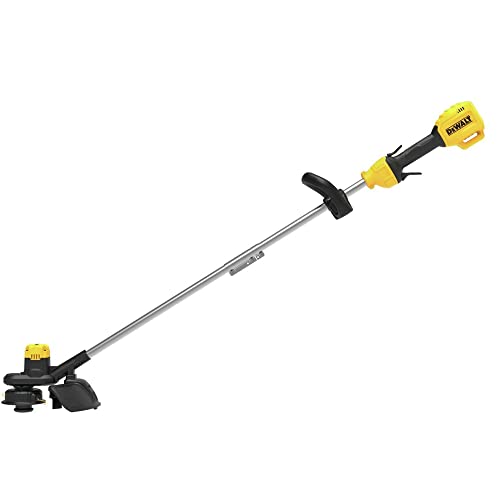
Using a string trimmer seems simple, but doing it like a pro requires proper technique. Our editorial team compared specifications, buyer feedback, and key decision factors to bring you a step-by-step guide that covers body positioning, cutting direction, edging, safety, and common mistakes. Whether you are a first-time user or want to refine your skills, this guide will help you achieve a clean, professional-looking lawn.
Why Proper Technique Matters
String trimmers are powerful tools for cutting grass in areas a mower cannot reach, such as along fences, around trees, and near flower beds. However, using them incorrectly can lead to uneven cuts, damaged plants, and even personal injury. Proper technique not only improves the appearance of your lawn but also reduces strain on the tool and extends its lifespan. When you use the correct stance, grip, and swinging motion, you cut efficiently and avoid common pitfalls like scalping the ground or whipping debris into your face.
Additionally, understanding how the trimmer line works is essential. The line spins at high speed, and the tip of the line does most of the cutting. Therefore, you should never force the trimmer into the grass; let the line do the work. By mastering the basics, you will save time and effort while achieving a manicured look.
Step-by-Step Trimming Technique
Follow these steps to trim like a professional. Always start with a fully charged battery or a full tank of fuel, and inspect the trimmer for any damage before use.
- Wear proper safety gear. Put on safety glasses, long pants, closed-toe shoes, and hearing protection. Gloves can also improve grip and protect your hands from vibration.
- Adjust the trimmer to your height. Stand upright with your feet shoulder-width apart. Hold the trimmer with both hands, one on the handle and one on the shaft. The cutting head should be parallel to the ground, and the line should just touch the grass when you extend your arms slightly.
- Position your body correctly. Keep your back straight and bend slightly at the knees. Avoid leaning forward excessively, as this can cause fatigue and poor control. Your dominant hand should be on the trigger handle, and your other hand should guide the shaft.
- Start the trimmer and let it reach full speed. Do not start cutting immediately; allow the engine or motor to spin up to full RPM. This ensures the line is spinning at maximum cutting power.
- Use a sweeping motion. Move the trimmer from side to side in a slow, controlled arc, similar to a pendulum. Keep the cutting head parallel to the ground and do not tilt it. Let the tip of the line do the cutting, and avoid forcing the head into the grass.
- Cut in the correct direction. Always cut away from your body. If you are right-handed, swing from right to left; if left-handed, swing from left to right. This prevents debris from flying toward you and gives you better control.
- Overlap your passes. When moving along a fence or border, overlap each pass by a few inches to ensure a uniform cut and avoid leaving stragglers.
- Work in sections. Trim one area at a time, such as a single tree base or a stretch of fence, before moving to the next. This helps you stay organized and avoids missing spots.
Remember to keep the trimmer head at a consistent height. If you raise it too high, you will leave grass uncut; if you lower it too much, you will scalp the ground and damage the line. Practice on a small area to get a feel for the correct height.
Edging Like a Pro
Edging creates a clean, crisp boundary between your lawn and sidewalks, driveways, or flower beds. While some trimmers have a dedicated edging mode, you can also edge with a standard trimmer by rotating the head.
- Rotate the trimmer head 90 degrees. Most trimmers allow you to twist the shaft or head so that the line spins vertically. If your trimmer has a wheeled edging guide, use it for stability.
- Position yourself correctly. Stand beside the edge you are cutting, with the trimmer guard facing you. Hold the trimmer at a slight angle, about 30 degrees from vertical, so the line cuts into the grass along the edge.
- Guide the line along the edge. Move slowly and steadily along the sidewalk or curb. Let the line do the cutting; do not press the head against the concrete. The line will wear down quickly, so expect to feed more line as you go.
- Keep the cut consistent. Maintain a steady pace and keep the same angle throughout. For a deeper edge, you can tilt the trimmer slightly more, but be careful not to gouge the ground.
- Finish with a touch-up. After edging, go back and trim any stray grass with the standard horizontal position to create a seamless transition.
Edging is best done when the grass is dry and not too long. If the grass is overgrown, mow first, then edge for a cleaner result.
Safety Tips and Common Mistakes
String trimmers are safe when used correctly, but they can cause serious injury if mishandled. Here are essential safety tips and common mistakes to avoid.
Safety Tips
- Inspect the area before trimming. Remove rocks, sticks, wires, and other debris that could become projectiles. Check for hidden objects in tall grass.
- Never use a trimmer without the guard. The guard protects you from flying debris and prevents the line from hitting your legs.
- Keep bystanders and pets away. Maintain a distance of at least 30 feet from others, as debris can travel far.
- Use the correct line size. Check your trimmer's manual for the recommended line diameter. Using the wrong size can cause the engine to overwork or the line to break.
- Turn off the trimmer when not in use. Never leave a running trimmer unattended, and always disconnect the spark plug or battery before performing maintenance.
- Be aware of your surroundings. Watch for uneven ground, hidden obstacles, and slopes. On a slope, trim across the slope, not up and down, to maintain balance.
Common Mistakes to Avoid
- Trimming wet grass. As mentioned, wet grass clogs the trimmer and makes a mess. Wait for dry conditions.
- Using too much throttle. Full throttle is not always necessary. For light trimming, a lower speed reduces wear and tear and gives you more control.
- Pushing the trimmer into the grass. This causes the line to break and the motor to strain. Let the line do the work.
- Trimming too close to trees and fences. The line can damage bark and fencing. Keep a small gap and trim carefully, or use a lower speed.
- Ignoring the line length. If the line is too short, it cuts poorly; if too long, it may hit the guard. Feed the line according to the manufacturer's instructions.
- Not maintaining the trimmer. Clean the air filter, replace the spark plug, and check the line regularly. A well-maintained trimmer performs better and lasts longer.
By following these guidelines, you will avoid common pitfalls and enjoy a safer, more efficient trimming experience. Remember, practice makes perfect. Start with small areas and gradually build your confidence.
For more tips on choosing the right trimmer and maintaining your lawn, explore our other articles. And before you buy any equipment, always check the current price on Amazon to get the best deal.