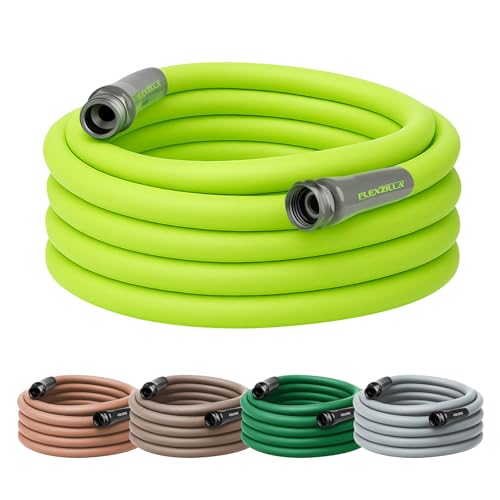
Most low pressure issues come from kinks, leaks, or a hose that is too narrow. Straighten the hose, check connections, and consider a larger diameter.
Why Your Garden Hose Has Low Water Pressure
There is nothing more annoying than turning on your hose and getting a weak trickle instead of a strong spray. Low water pressure can turn simple tasks like watering plants or washing the car into a frustrating chore. But before you blame your water supplier, know that the cause is often right in your hands: the hose itself.
Our editorial team compared specifications, buyer feedback, and common troubleshooting guides to identify the most frequent culprits behind low hose pressure. Understanding these causes will help you fix the issue quickly and get back to enjoying a powerful flow.
Kinks and Twists
The most obvious cause is a kink in the hose. A sharp bend or twist restricts the water flow, reducing pressure at the nozzle. Even if you straighten it, the hose may have a memory and keep bending in the same spot. This is especially common with cheaper vinyl hoses that lack reinforcement. Kinks can also occur if the hose is twisted during storage or if it is pulled around corners. To prevent kinks, store your hose on a reel or in a loose coil, and avoid sharp turns when laying it out.
Leaks and Drips
Leaks at the connections or along the hose body allow water to escape before it reaches the nozzle. A small drip might not seem like much, but it can significantly reduce pressure, especially if there are multiple leaks. Check the washers and the hose itself for cracks or holes. Leaks often happen at the threaded connections because the rubber washer is worn or missing. Over time, the hose material can also develop pinhole leaks from UV exposure or abrasion. Even a tiny hole can cause a spray that you might not notice, but it will drop the pressure noticeably.
Blockages and Debris
Mineral deposits, dirt, or small stones can clog the hose, the nozzle, or the filter screens. If you have hard water, scale can build up inside the hose over time, narrowing the passage. Even a tiny piece of debris can cause a noticeable drop in pressure. For example, a small pebble that gets sucked into the hose when you connect it to a spigot can lodge in the nozzle and restrict flow. Similarly, if you use a hose end sprayer, the filter inside can become clogged with sediment. Regularly cleaning these components is essential for maintaining good pressure.
Undersized Hose
The diameter of your hose plays a huge role in pressure. A 1/2 inch hose delivers less water than a 5/8 or 3/4 inch hose. If you need high flow for tasks like filling a pool or running a sprinkler, a narrow hose will always feel weak. Also, the length matters: the longer the hose, the more friction loss, so a 100 foot hose will have lower pressure than a 25 foot one. For example, a 5/8 inch hose at 50 feet can deliver about 50% more flow than a 1/2 inch hose of the same length. If you have a long run, consider using a larger diameter or a shorter hose to maximize pressure.
How to Fix Low Water Pressure in Your Garden Hose
Follow these steps in order to diagnose and fix the problem. Most fixes take just a few minutes and require no special tools.
- Straighten the hose completely. Lay it out flat on the ground and check for any sharp bends. If the hose has a memory and keeps kinking, consider replacing it with a kink-free model. You can also try soaking the hose in warm water to relax the material, but this is only a temporary fix.
- Inspect all connections. Tighten the hose to the faucet and the nozzle. Look for leaks at the washers. Replace any worn or missing washers. Use plumber's tape on the threads if needed. A good connection ensures that no water is lost at the joints.
- Check the hose for leaks. With the water on, run your hand along the entire hose to feel for spray or damp spots. Mark any holes and repair them with a hose repair kit or replace the hose if it is badly damaged. For pinhole leaks, you can use a hose mender or even a piece of rubber and a clamp as a temporary fix.
- Clean the filters and screens. Remove the nozzle and the hose washer. Rinse them under running water to remove debris. Also, clean the screen inside the faucet aerator if you have one. You can use a small brush or a toothpick to dislodge stubborn particles.
- Flush the hose. Disconnect the hose from the nozzle, turn on the water full blast, and let it run for a minute to clear any internal blockages. This is especially effective if you suspect sediment or scale buildup. You can also use a hose cleaning brush that attaches to a drill to scrub the inside, but flushing is usually enough.
- Check the water source. Make sure the faucet is fully open. If you have a pressure regulator or a splitter, ensure it is not restricting flow. Sometimes a partially closed valve or a faulty splitter can reduce pressure. Also, check if other water uses in the house are affecting the pressure.
- Consider the hose size. If your hose is 1/2 inch and you need more pressure, upgrade to a 5/8 inch or 3/4 inch hose. Also, use the shortest hose that reaches your work area. This is the most effective long-term solution for improving flow.
When to Replace Your Hose
If you have tried all the above and still have low pressure, the hose may be beyond repair. Signs that it is time for a new hose include multiple leaks, severe kinking that cannot be straightened, or internal scale buildup that flushing does not clear. When shopping for a replacement, look for a hose with a larger diameter, a kink-free design, and durable materials like rubber or reinforced vinyl. Check the current price on Amazon for popular options. Also, consider a hose with a higher burst pressure rating if you have high water pressure at your home.
Remember, a good hose is an investment. Taking care of it by draining it in winter and storing it out of direct sunlight will extend its life and maintain water pressure for years to come.
Preventing Future Low Pressure Issues
Once you have fixed the immediate problem, take steps to prevent it from recurring. Proper storage is key: coil the hose loosely on a reel or hanger, and avoid leaving it in the sun, as UV rays can weaken the material and cause cracks. Drain the hose completely after each use, especially before freezing temperatures, as water left inside can expand and damage the hose. Use a hose guard or a spring to protect the connection points from kinking. Additionally, consider installing a pressure regulator if your home's water pressure is too high, as excessive pressure can stress the hose and cause leaks. By following these preventive measures, you can enjoy consistent water pressure for years.
