Tent Footprints
Best Tent Footprints to Protect Your Tent Floor and Add Warmth
7 picks compared
9 min read
ProductPickly is reader-supported. When you buy through links on our site, we may earn an affiliate commission at no extra cost to you. It never changes our picks.
The short answerFor most campers the Clostnature 87x59in Heavy Duty Tent Footprint is the standout pick, because its heavier fabric takes the abrasion from gravel and roots that wears a tent floor through, and the two to three person size folds neatly just inside the tent edge. If you count grams on the trail, the Tyvek Ground Sheet is the ultralight choice and can be cut to any tent shape, while the Frelaxy is the value lightweight pick with a real waterproof coating. Owners of specific tents get the cleanest fit from a matched footprint, the ALPS Mountaineering 4-Person or the Marmot Crane Creek 2P, and large family tents need the big 118x118in Clostnature square. Whatever you choose, keep the sheet tucked just inside the tent so rain runs off instead of pooling underneath.
?How we pickedWe compare published specifications, safety certifications and thousands of verified owner reviews, and we do not physically test every unit. Read the full process in our review methodology.
Clostnature 87x59in Heavy Duty Tent Footprint
★★★★★ 4.5 / 5 Best overall
This is the pick that answers the main reason people buy a footprint in the first place, keeping the tent floor from wearing through on gravel, roots, and sticks, because it uses a heavier fabric than most and takes the abrasion so your tent does not. At 87 by 59 inches it suits many two and three person tents, and it is easy to fold slightly smaller than the tent so rain runs off instead of pooling underneath.
Size 87 x 59 inBuild Heavy duty abrasion fabricWater Coated for wet groundBest use Two to three person tents
- Heavier fabric shrugs off gravel and roots that shred thinner sheets
- Sized to trim slightly under a typical 2P to 3P tent
- Folds down small and packs flat in the bag
- Heavier to carry than an ultralight backpacking sheet
- Fixed rectangle may not match every tent shape
Best for: everyday floor protection on rough ground
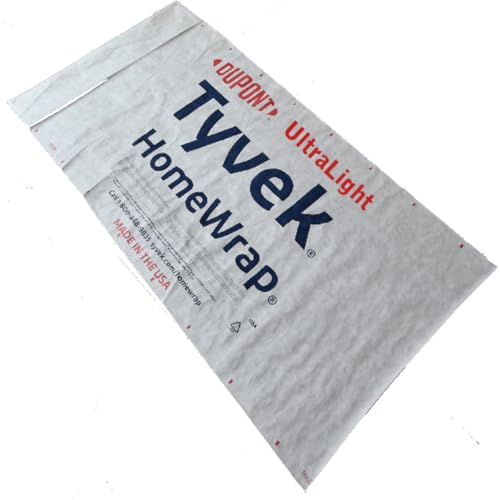
Tyvek Ground Sheet and Tent Footprint
★★★★★ 4.5 / 5 Best ultralight
For anyone counting grams on a thru-hike, this Tyvek sheet is chosen because it weighs almost nothing yet still blocks ground moisture and shields the tent floor from grit. Tyvek is stiff at first and softens with a few packings, and because it is a plain sheet you can cut it to match your tent footprint exactly.
Material Tyvek sheetWeight Ultralight for backpackingWater Blocks ground moistureBest use Backpacking and thru-hiking
- Extremely light so it barely adds to pack weight
- Can be trimmed to match any tent floor shape
- Blocks damp ground while staying breathable
- Stiff and crinkly until it is broken in
- No grommets, so you rig your own tie points
Best for: backpackers cutting every gram from the pack
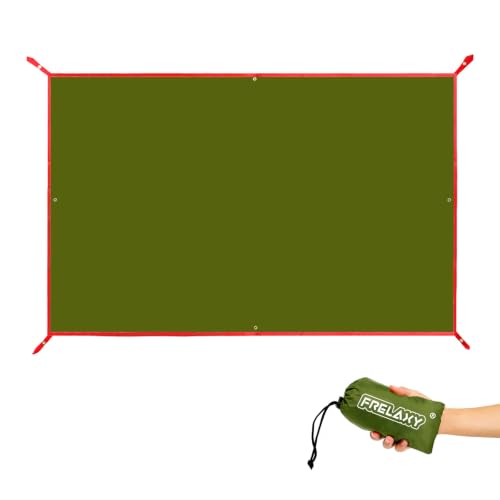
Frelaxy Lightweight Waterproof Tent Footprint
★★★★★ 4.4 / 5 Best lightweight value
This one sits in the sweet spot for hikers who want a real waterproof coating without the bulk of a heavy duty tarp, which is why it is our value lightweight pick. It comes in several sizes so you can choose one that folds just inside your tent outline, and it packs down small enough to forget it is in the bag.
Build Lightweight coated fabricWater Waterproof coatingSizes Several to match tentsBest use Hiking and light camping
- Waterproof coating keeps damp off the tent floor
- Light and compact for the protection it gives
- Size options make trimming under the tent easy
- Thinner than a heavy duty sheet on sharp rock
- Coating needs care to avoid scuffs over time
Best for: hikers wanting waterproofing at low weight
ALPS Mountaineering 4-Person Tent Footprint
★★★★★ 4.6 / 5 Best tent-matched fit
If you already run an ALPS Mountaineering four person tent, this footprint is chosen because it is cut to that tent floor, so there is no guessing at dimensions or trimming a generic tarp. A matched footprint tucks neatly inside the tent edge, which is exactly how you avoid rain pooling on an oversized sheet.
Fit ALPS 4-person tentsColor CharcoalShape Cut to tent floorBest use Matched ALPS 4P setups
- Cut to the ALPS 4P floor so no trimming needed
- Sits just inside the tent edge to stop pooling
- Takes the ground wear instead of the tent floor
- Made for ALPS 4P tents, not a universal sheet
- Less useful if you own a different tent
Best for: owners of an ALPS 4-person tent
Clostnature 118x118in Heavy Duty Tent Footprint
★★★★★ 4.5 / 5 Best for large tents
When the tent is a big family dome or a cabin style shelter, a small footprint leaves the floor exposed, so this large 118 by 118 inch square is the pick for bigger setups. It uses the same heavy fabric as the smaller Clostnature, and the generous size means you can fold the edges in to match a wide floor without leaving a lip to catch runoff.
Size 118 x 118 inBuild Heavy duty abrasion fabricWater Coated for wet groundBest use Large family tents
- Big square covers wide family tent floors
- Heavy fabric handles rough campsite ground
- Room to fold edges in for a clean fit
- Bulkier and heavier to pack than small sheets
- Oversized for a solo or two person tent
Best for: large family and cabin style tents
Waterproof Camping Tarp Footprint with Storage Bag
★★★★★ 4.4 / 5 Best with storage bag
This 87 by 59 inch sheet is chosen for the campers who lose the loose stuff, because it ships with its own storage bag that keeps the muddy footprint away from the rest of your gear. The waterproof fabric handles damp pitches, and the two person size folds neatly under most compact tents.
Size 87 x 59 inWater Waterproof tarp fabricStorage Stuff bag includedBest use Compact two person tents
- Comes with a bag to corral the muddy sheet
- Waterproof fabric copes with damp ground
- Two person size folds under most small tents
- Standard rectangle needs trimming under some tents
- Lighter build than a heavy duty tarp
Best for: campers who want a tidy packed footprint
Marmot Footprint for Crane Creek 2P Tent
★★★★★ 4.5 / 5 Best tent-specific barrier
Owners of the Marmot Crane Creek two person tent get the cleanest result from this matched footprint, since it is shaped to that exact floor as a moisture barrier under the tent. A tent specific piece removes the guesswork of sizing a tarp and sits inside the tent edge so water sheds off rather than collecting.
Fit Marmot Crane Creek 2PRole Moisture barrierShape Cut to tent floorBest use Matched Marmot 2P setups
- Shaped to the Crane Creek 2P floor for a clean fit
- Sits inside the tent edge to shed water
- Adds a moisture barrier under a light tent
- Only fits the Crane Creek 2P tent
- No use with a different tent model
Best for: owners of a Marmot Crane Creek 2P tent
A tent footprint is a groundsheet that goes under your tent, and its main job is simple: take the wear from gravel and roots so your tent floor does not, while blocking ground moisture and adding a little warmth. For rough ground the heavy duty Clostnature 87 by 59 is our top pick, backpackers cutting weight should look at the Tyvek sheet, and owners of a specific tent get the cleanest fit from a matched footprint like the ALPS or Marmot. The one rule that ties them all together is to keep the sheet tucked just inside the tent edge.
Why a footprint protects the floor and adds warmth
The floor is the part of a tent that takes the most abuse, dragged across gravel, pressed onto roots, and left sitting on damp ground all night. A footprint slides that abrasion onto a cheap replaceable sheet instead of the tent itself, which is the whole reason it earns its place in the pack. It does two more things while it is down there: it blocks ground moisture from wicking up through the floor, and it puts one more layer between you and the cold earth. That barrier is not real insulation, a sleeping pad does far more, but on damp or chilly ground the tent floor stays drier and a touch warmer, which is why campers who add a footprint often say the tent feels less cold underneath.
Size it slightly smaller than the tent
This is the mistake that turns a footprint into a problem. The sheet should sit just inside the tent floor outline, never past it. If the footprint sticks out beyond the tent walls, rain running off the fly lands on that exposed lip and funnels straight underneath you, so you end up sleeping on a puddle the footprint helped collect. Tent specific pieces like the ALPS 4P and the Marmot Crane Creek footprint are already cut to fit and solve this for you. With a generic tarp such as the Tyvek sheet or a large Clostnature square, simply fold the extra material under so nothing extends past the tent edge, and runoff will drain onto the ground where it belongs.
Material, denier, and weight
Footprints trade toughness against weight, and denier is the number that captures it. A higher denier means thicker fibers and a more abrasion resistant sheet, which is what the heavy duty Clostnature footprints lean on to survive sharp gravel and stony pitches. Drop the denier or switch to a material like Tyvek and you get a far lighter sheet that a backpacker will happily carry for miles, at the cost of some ruggedness on rough rock. Waterproofing sits alongside this: a coated fabric like the Frelaxy keeps ground damp from soaking through, and most purpose made footprints carry some water resistance. Decide first how you travel, car camping rewards a heavier tougher sheet, while long trails reward every gram you can shave, then pick the denier to match.
Grommets, stakes, and keeping it in place
A footprint that shifts around under the tent is only doing half its job, so it helps to think about how it stays put. Some footprints include grommets at the corners so you can run the same stakes through the footprint and the tent, locking the two together so wind does not slide the sheet out from under you. Plain sheets like Tyvek usually have no grommets, which is fine because the tent sits on top and holds them down, but you can add tie points if you camp somewhere windy. Whichever you use, stake the footprint and tent as one where you can, keep the edges folded in, and shake the sheet out and let it dry before packing so grit and damp do not travel home with your gear.
Questions people ask
What does a tent footprint actually do?
A footprint is a groundsheet that sits between the bare ground and your tent floor. Its main job is to take the abrasion from gravel, roots, and sticks so the thinner tent floor does not wear through, which extends the life of a tent that costs far more to replace. It also blocks ground moisture from wicking up into the tent and adds a small amount of insulation from the cold earth, which is why many campers feel warmer with one underneath.
Should the footprint be smaller than the tent?
Yes, and this matters more than people expect. A footprint should be cut or folded slightly smaller than the tent floor so its edges tuck just inside the tent outline. If the sheet sticks out past the tent, rain running off the fly lands on the exposed lip and channels straight under the tent, pooling water beneath you. Keeping the footprint tucked in means runoff falls onto the ground and drains away instead.
Do I really need a footprint, or is it optional?
It is optional but usually worthwhile. On soft grass for a single night you may not miss one, but on gravel, rocky, or rooty ground a footprint is what stands between your tent floor and a puncture. Given that a footprint is far cheaper and easier to replace than a tent, most campers treat it as basic insurance for the floor, and the added moisture barrier and slight warmth are useful bonuses.
What size footprint should I get?
Match it to your tent floor and then aim to have it sit just inside the edge. Many two and three person tents pair well with a sheet around 87 by 59 inches, while large family tents need a much bigger square like 118 by 118 inches. If you buy a generic tarp larger than your tent, fold the excess under so nothing extends past the tent walls. Tent specific footprints, like the ALPS and Marmot options here, are already cut to fit.
What does denier mean on a footprint?
Denier is a measure of how thick the individual fibers in the fabric are, and a higher denier generally means a tougher, more abrasion resistant sheet. A heavy duty footprint uses a higher denier fabric to survive sharp gravel, while an ultralight backpacking sheet uses a lower denier or a material like Tyvek to save weight. Choosing between them is a trade between durability and how much you want to carry.
How does a footprint keep me warmer?
Cold ground pulls heat out of a tent floor all night, and a footprint adds one more layer between you and that cold earth. It is not insulation on its own, and a sleeping pad does far more for warmth, but the extra barrier plus the moisture it blocks means the tent floor stays a little drier and less chilled. On damp or cold ground that small difference is noticeable.
Can I use a regular tarp instead of a footprint?
You can, and many campers do, but there are trade-offs. A plain tarp is cheaper and easy to cut to size, which is why Tyvek sheets are popular with backpackers. The catch is that a random tarp is often larger than the tent, so you must fold it in carefully to avoid the rain pooling problem, and household tarps can be heavier or noisier than a purpose made footprint. A cut-to-fit sheet solves the sizing issue cleanly.
How did we choose the footprints in this guide?
We grouped them by the real situations campers face, everyday rough ground, ultralight backpacking, waterproofing on a budget, tent matched fit, large family tents, and tidy storage, then chose a strong option for each. Every product shown is a real listing with genuine details, and these are our chosen picks rather than lab-tested claims.
The bottom lineSo which one?
The Clostnature 87x59in Heavy Duty Tent Footprint is our top choice for most people, since its tough fabric protects the tent floor on rough ground and the size suits most two and three person tents. Backpackers should choose the Tyvek Ground Sheet to save weight, and the Frelaxy is the value lightweight pick with a waterproof coating. For a guaranteed fit, the ALPS Mountaineering 4-Person and the Marmot Crane Creek 2P footprints are cut to those exact tents, the 118x118in Clostnature covers large family tents, and the storage bag sheet keeps a muddy footprint away from the rest of your gear. Whichever you pick, fold it just inside the tent edge so water sheds off instead of pooling.