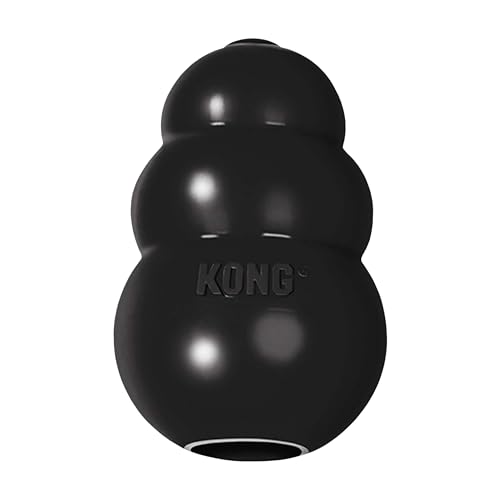
Choose tougher toys, rotate them regularly, and address the root cause: boredom, anxiety, or high prey drive.
If your dog turns every new toy into a pile of fluff within minutes, you know the frustration. It seems like no toy can survive. But this problem is more common than you think, and it has clear reasons and practical fixes. Our editorial team compared specifications, buyer feedback and key decision factors to bring you a comprehensive guide. In this article, we explain why some dogs shred toys relentlessly and give you a step by step plan to make toys last longer and keep your dog happy.
Why Dogs Destroy Every Toy
Dogs don't chew to annoy you. There are several underlying causes, and understanding them is the first step to solving the problem.
Boredom and Lack of Stimulation
Dogs are intelligent animals. When they don't get enough physical exercise or mental challenges, they find their own entertainment. Chewing and shredding become a way to burn excess energy. A bored dog will often target toys because they are available and satisfying to tear apart.
Separation Anxiety
Some dogs chew destructively when left alone. This is a sign of stress. The act of chewing releases endorphins that help calm the dog. If your dog only destroys toys when you are away, anxiety may be the trigger. Other signs include pacing, whining, or drooling.
High Prey Drive
Certain breeds, like terriers, retrievers, and herding dogs, have a strong instinct to chase and capture prey. For them, a squeaky toy mimics the sound of a small animal. Tearing it apart is a satisfying way to fulfill that instinct. Even non hunting breeds can develop a strong prey drive if they are not given appropriate outlets.
Teething and Oral Fixation
Puppies go through a teething phase that lasts up to six months. Chewing relieves the pain of new teeth coming in. Adult dogs may also have a persistent need to chew, especially if they were not taught appropriate chewing habits as puppies.
How to Fix the Problem: A Step by Step Guide
You don't have to give up on toys altogether. With the right approach, you can redirect your dog's chewing into positive behavior. Follow these steps.
- Assess your dog's chewing style. Watch how your dog chews. Does he gnaw slowly or rip and tear? Does he focus on seams and edges? This will help you choose toys that match his style. For example, a dog that rips apart stuffed toys needs solid rubber toys, not fabric ones.
- Choose tougher toys designed for power chewers. Look for toys made from durable materials like natural rubber, nylon, or heavy duty ballistic fabric. Avoid toys with thin plastic parts or stuffing that can be easily removed. Brands like Kong, Goughnuts, and West Paw offer lines specifically for aggressive chewers. Check the current price on Amazon for these products.
- Rotate toys regularly. Dogs get bored with the same toys. Keep a stash of 3 to 5 toys and swap them out every few days. This makes each toy feel new and exciting. You can also use a toy rotation schedule to keep things interesting.
- Provide interactive toys. Puzzle toys that dispense treats can keep your dog mentally engaged. Fill a Kong with peanut butter or kibble and freeze it. This gives your dog a challenging activity that satisfies the urge to chew without destroying something valuable.
- Increase physical exercise. A tired dog is a good dog. Make sure your dog gets enough daily exercise based on its breed and age. A long walk, a game of fetch, or a run in the park can reduce the need to chew out of boredom.
- Train the 'leave it' and 'drop it' commands. These commands are essential for managing chewing behavior. Start with treats and practice in a low distraction environment. When your dog picks up a toy you don't want him to destroy, say 'leave it' and offer an appropriate alternative. Reward him for choosing the right toy.
- Supervise and redirect. When you are home, keep an eye on your dog. If you see him starting to shred a toy, calmly redirect him to a more durable toy. Never punish him after the fact, as he won't connect the punishment with the action.
- Address anxiety separately. If you suspect separation anxiety, consult your veterinarian or a professional dog trainer. They may recommend behavior modification techniques or, in some cases, medication. In the meantime, try leaving your dog with a durable toy that has been frozen, and create a safe space where he feels comfortable.
When to Replace a Toy
Even the toughest toys have a lifespan. Inspect toys regularly for signs of wear. If you see cracks, tears, or pieces that can be pulled off, replace the toy immediately. A damaged toy can become a choking hazard or cause intestinal blockage if swallowed. As a rule of thumb, if you can press your fingernail into the surface and it leaves a mark, the toy is too soft for a power chewer. If the toy is hard but has sharp edges, it's time to toss it.
Additional Tips for Managing Destructive Chewing
Beyond choosing the right toys, there are other strategies you can use to protect your belongings and keep your dog safe.
Create a Chew Zone
Designate a specific area in your home where your dog is allowed to chew. Fill it with a variety of safe toys. This teaches your dog that chewing is acceptable only in that area. Use baby gates or a playpen to limit access to other parts of the house.
Use Bitter Deterrent Sprays
If your dog targets furniture or other objects, you can apply a bitter tasting spray to those surfaces. These sprays are safe for dogs but taste unpleasant, discouraging them from chewing. However, they should not replace proper training and supervision.
Consider Professional Help
If your dog's destructive chewing is severe or persists despite your efforts, seek help from a certified dog behaviorist. They can identify underlying issues and create a customized plan for your dog.
Frequently Asked Questions
How do I stop my dog from destroying toys?
Start by choosing toys that match your dog's chewing style, such as rubber or nylon toys designed for power chewers. Rotate toys to keep them interesting, and provide plenty of physical and mental exercise. Training commands like 'leave it' and 'drop it' can also help manage chewing behavior.
Is it normal for dogs to destroy toys?
Yes, especially for puppies and high-energy breeds. Chewing is a natural behavior, but when it becomes excessive or destructive, it often signals boredom, anxiety, or unmet exercise needs. Understanding the root cause is key to solving the problem.
What is the most durable dog toy for aggressive chewers?
Toys made from solid rubber or heavy-duty nylon are typically the most durable. Look for toys labeled 'extreme' or 'power chewer' and avoid those with thin parts or stuffing that can be easily torn. Always supervise your dog with new toys and replace them when they show signs of wear.
Final Thoughts
Dealing with a dog that destroys every toy can be exhausting, but it's not hopeless. By understanding the reasons behind the behavior and taking a proactive approach, you can help your dog develop healthier chewing habits. Remember to choose durable toys, rotate them, and provide enough exercise and mental stimulation. With patience and consistency, you'll find a solution that works for both of you.
